Standing Desk Innovations: Explore Modern Designs for Healthier Workspaces
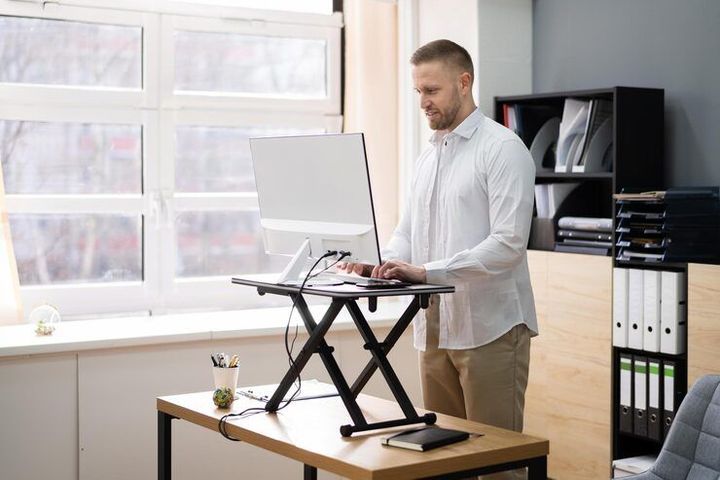
Standing desks are adjustable workstations that allow individuals to work while standing rather than sitting for extended periods. They were introduced as a response to increasing concerns about sedentary work habits in modern offices, especially as computer-based work became dominant across industries.
Traditional office environments often require employees to sit for long hours at desks. Over time, researchers and workplace designers began exploring alternative setups that encourage movement and flexibility throughout the workday. Standing desks emerged as one of the most widely discussed ergonomic workspace solutions.
Modern standing desk innovations combine ergonomic design, workplace technology, and human health research. Many contemporary models feature height-adjustable mechanisms, digital control panels, and compatibility with workplace productivity tools.
Key Features of Modern Standing Desks
Modern standing desks include a range of features designed to improve usability and comfort:
- Adjustable height systems
- Electric or manual lifting mechanisms
- Ergonomic workspace layouts
- Cable management features
- Integration with productivity technologies
These features support the broader concept of an “active workspace,” encouraging movement throughout the day.
Common Usage Environments
Standing desks are widely used across different settings:
- Corporate offices
- Educational institutions
- Remote workspaces
- Research labs
- Creative studios
Their adaptability makes them suitable for both individual and collaborative work environments.
Why Standing Desk Innovation Matters in Today’s Work Culture
Workplace health and productivity have become central concerns in modern business environments. Many professionals spend extended hours at computers, increasing the risks associated with sedentary behavior.
Standing desk innovations help address these challenges by promoting movement and flexibility during the workday.
Challenges of Sedentary Work
Common issues linked to prolonged sitting include:
- Reduced physical movement
- Poor posture during computer use
- Workplace discomfort from static positions
- Lower overall physical activity levels
Standing desks allow users to alternate between sitting and standing, encouraging posture variation and improved comfort.
Industries Influenced by Ergonomic Trends
Several industries are adopting ergonomic workspace solutions:
- Technology companies
- Digital marketing agencies
- Financial services firms
- Educational institutions
- Remote and hybrid work environments
The rise of remote work has further increased interest in home office ergonomics and adjustable furniture.
Broader Workplace Design Concepts
Standing desks are part of larger workplace design strategies, including:
- Employee wellness programs
- Workplace productivity optimization
- Ergonomic furniture design
- Digital workspace transformation
Organizations recognize that workspace design can influence employee comfort, collaboration, and long-term productivity.
Recent Innovations and Workplace Trends in 2025
Standing desk technology continues to evolve alongside ergonomic research and workplace trends. Recent developments highlight increased integration with smart technology and sustainability practices.
Smart Desk Technology
Modern desks now include advanced features such as:
- Programmable height presets
- Posture reminders
- Digital display panels
- Smartphone connectivity
Some models integrate with productivity tools and health apps, enabling users to track posture and standing time.
Hybrid Workspace Design
Hybrid work models have influenced office layouts significantly. Adjustable desks allow employees to personalize their workspace when transitioning between home and office environments.
Sustainability in Furniture Design
Environmental considerations are shaping product development. Manufacturers are adopting:
- Recycled materials
- Sustainable wood sources
- Energy-efficient motors
These changes align with global sustainability initiatives.
AI-Assisted Ergonomic Monitoring
Some experimental desks now use AI-based posture detection systems. These systems analyze posture and provide real-time suggestions for improving workspace setup.
Research Updates
Recent research suggests that alternating between sitting and standing may support better posture awareness. This insight continues to influence workplace design strategies and wellness programs.
Regulations and Workplace Policies Related to Ergonomics
Standing desks are influenced by occupational health and safety regulations across different regions. These guidelines help ensure safe and comfortable workstation setups.
Common Ergonomic Guidelines
Regulatory recommendations often include:
- Workstation height adjustments
- Proper monitor positioning
- Keyboard and mouse alignment
- Injury prevention strategies
Regional Examples
- United States: OSHA provides ergonomic guidelines encouraging adjustable workstations.
- European Union: Workplace directives emphasize ergonomic furniture and screen positioning.
- India: Ergonomics is included in workplace safety discussions and corporate wellness programs.
Many organizations also implement internal policies focused on employee wellbeing and workspace optimization.
Tools and Resources for Ergonomic Workspaces
Various tools help individuals and organizations design and maintain ergonomic work environments. These tools support posture monitoring, productivity, and workspace planning.
Common Ergonomic Tools
- Posture monitoring applications
- Workstation setup guides
- Screen distance measurement tools
- Break reminder apps
- Time tracking tools
Workspace Design Software
Digital planning tools assist with:
- Desk arrangement
- Lighting simulation
- Office movement flow
Educational Resources
Ergonomic guides often cover:
- Monitor placement
- Desk height adjustment
- Keyboard positioning
- Wrist alignment
Standing Desk Height Guide
Proper desk height is essential for maintaining a comfortable posture. The following table provides general recommendations:
| User Height | Recommended Desk Height (Standing) |
|---|---|
| 5'0" – 5'3" | 38–40 inches |
| 5'4" – 5'7" | 40–42 inches |
| 5'8" – 5'11" | 42–44 inches |
| 6'0" – 6'3" | 44–46 inches |
Maintaining a 90-degree elbow angle while typing helps ensure proper ergonomics.
Example Daily Sit-Stand Balance
Alternating positions throughout the day can support varied work activities. The table below illustrates a simple approach:
| Work Activity | Suggested Position |
|---|---|
| Email and communication | Sitting |
| Virtual meetings | Standing |
| Writing or design work | Alternating |
| Research tasks | Sitting |
| Brainstorming | Standing |
These patterns help encourage movement and reduce prolonged static posture.
Frequently Asked Questions
What is a standing desk used for?
A standing desk allows users to work while standing or alternating between sitting and standing. It supports ergonomic adjustments and flexible workspace positioning.
Are standing desks suitable for home offices?
Yes, standing desks are widely used in home offices. They are especially useful in remote and hybrid work environments where workspace customization is important.
How often should someone switch positions?
Experts often recommend switching between sitting and standing every 30 to 60 minutes. The goal is to promote regular movement throughout the day.
Do standing desks replace office chairs?
No, standing desks are designed to complement sitting options. A balanced approach that includes both sitting and standing is generally recommended.
What features are common in modern standing desks?
Common features include adjustable height systems, programmable presets, cable management, and digital control panels.
Broader Impact on Workplace Design
Standing desks are part of a larger transformation in workplace design. Organizations are focusing on creating environments that encourage movement, flexibility, and collaboration.
Key Workplace Design Factors
- Ergonomic furniture
- Lighting quality
- Air circulation
- Collaborative spaces
- Quiet focus areas
These factors contribute to more adaptable and efficient work environments.
Conclusion
Standing desk innovations reflect evolving attitudes toward workplace health and productivity. As digital work continues to expand, the need for flexible and ergonomic workstations becomes increasingly important.
Technological advancements such as smart features and AI-based monitoring demonstrate how workspace design is evolving. At the same time, workplace policies and ergonomic guidelines continue to promote awareness of posture and movement.
Understanding these developments can help individuals and organizations create workspaces that support both comfort and efficiency. Standing desks are likely to remain a key component of modern office design in the future.