Substation Equipment Guide: Essential Components, Functions, and Modern Power Systems
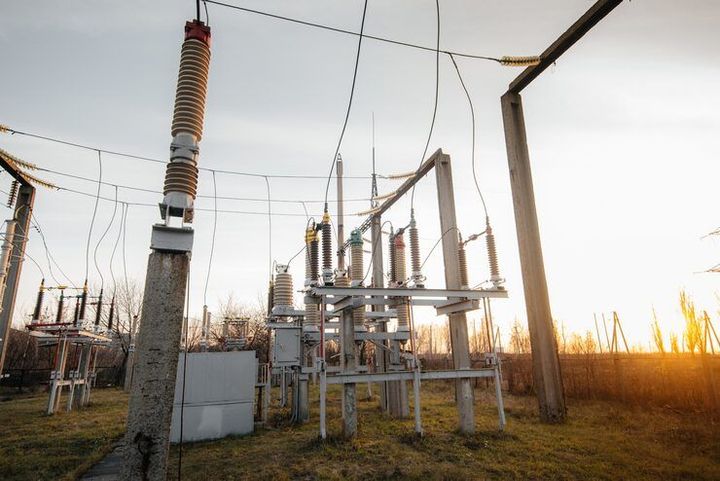
Substation equipment refers to the electrical components used within power substations to control, transform, and distribute electricity across transmission and distribution networks. Substations are essential facilities in electrical infrastructure that manage voltage levels and ensure reliable electricity flow from power generation plants to homes, businesses, and industries.
Electric power generated at power plants travels through high-voltage transmission lines to reduce energy loss during long-distance transport. Before electricity reaches local distribution networks, voltage levels must be adjusted. Substations perform this function using specialized equipment designed to regulate, protect, and monitor electrical flow.
Typical substation equipment includes:
- Power transformers
- Circuit breakers
- Busbars
- Switchgear systems
- Instrument transformers
- Protective relays
- Surge arresters
- Capacitor banks
Each component plays a specific role in maintaining grid stability and safety. Transformers adjust voltage levels, circuit breakers isolate faults, and protective relays detect abnormal electrical conditions.
Types of Substations
Substations exist in several types depending on their function within the electrical grid. Each type operates within a specific voltage range and serves a unique purpose.
Substation Types and Functions
| Substation Type | Primary Function | Voltage Range |
|---|---|---|
| Transmission Substation | Transfers electricity across large networks | 132 kV – 765 kV |
| Distribution Substation | Delivers electricity to local lines | 11 kV – 66 kV |
| Collector Substation | Aggregates renewable energy sources | 33 kV – 220 kV |
| Switching Substation | Controls power flow without voltage change | Varies |
Together, these substations form a critical part of national and regional power infrastructure.
Why Substation Equipment Matters in Modern Energy Systems
Substation equipment is essential for reliable electricity networks. Rising demand from urbanization, industrial growth, and digital technologies makes substations more important than ever.
Several sectors depend heavily on substation infrastructure:
- Smart cities and urban power systems
- Industrial manufacturing facilities
- Data centers and cloud computing
- Electric vehicle charging networks
- Renewable energy installations such as solar and wind farms
Voltage Regulation
Electricity is transmitted at high voltages to reduce losses but must be distributed at lower voltages for safe use. Transformers inside substations handle this conversion efficiently.
Grid Protection
Electrical faults such as short circuits, lightning, or equipment failure can disrupt power systems. Circuit breakers and protective relays quickly detect and isolate these issues.
Power Quality Management
Substations help maintain stable voltage levels and reduce fluctuations. This protects sensitive equipment and ensures consistent energy supply.
Integration of Renewable Energy
Modern substations support solar and wind energy integration. They manage variable energy flows and maintain stability within the grid.
Electricity Flow Through the Grid
| Stage | Voltage Level | Key Equipment |
|---|---|---|
| Power Generation | 11–25 kV | Generators |
| Transmission | 132–765 kV | Transmission Substations |
| Substation Step-Down | 33–132 kV | Power Transformers |
| Distribution | 11–33 kV | Distribution Substations |
| End Users | 230–415 V | Distribution Transformers |
Reliable substations ensure both national grid stability and everyday electricity access.
Recent Developments in Substation Technology
Recent years have seen major advancements in electrical infrastructure and smart grid systems. In 2025, many countries increased investments in digital substations that use automation and real-time monitoring.
Digital Substations and IEC 61850
Digital substations use communication standards like IEC 61850 to enable efficient data exchange. This improves automation, monitoring, and system control.
Smart Grid Expansion
Modern grid systems introduced between 2024 and 2025 allow faster fault detection and improved operational efficiency. These systems enhance overall grid reliability.
Renewable Energy Integration
Upgraded substations now handle energy inputs from solar and wind farms more effectively. Collector substations manage fluctuating renewable generation.
Condition Monitoring Systems
Advanced sensors monitor transformer temperature, insulation, and vibration. Predictive analytics help detect issues before failures occur.
Gas-Insulated Substations (GIS)
GIS systems are widely used in urban areas due to their compact size and improved environmental performance. They require less space compared to traditional substations.
Traditional vs Digital Substations
| Feature | Traditional Substation | Digital Substation |
|---|---|---|
| Monitoring | Manual or periodic | Real-time sensors |
| Data Communication | Analog wiring | Digital communication |
| Fault Detection | Slower | Automated and faster |
| Maintenance | Reactive | Predictive |
These innovations highlight the shift toward intelligent and data-driven power systems.
Regulations and Policies Affecting Substation Equipment
Substations operate under strict safety and technical regulations. These standards ensure reliable power distribution and infrastructure protection.
Key Regulatory Frameworks
- National grid regulations defining voltage and operational standards
- Electrical safety standards for insulation and grounding
- Environmental regulations addressing insulating gases like SF6
- Infrastructure development programs supporting modernization
Government Initiatives
- Smart grid development programs
- Renewable energy integration policies
- National power transmission expansion plans
These policies aim to improve efficiency, sustainability, and grid resilience.
Tools and Resources for Understanding Substation Systems
Engineers and researchers use various tools to analyze and design substation systems. These tools support simulation, monitoring, and performance evaluation.
Common Tools
- Power system simulation software (ETAP, PSCAD, MATLAB Simulink)
- Grid monitoring platforms (SCADA systems, analytics dashboards)
- Technical documentation and engineering manuals
- Educational platforms and research publications
Substation Monitoring Parameters
| Monitoring Parameter | Purpose |
|---|---|
| Transformer Temperature | Prevent overheating |
| Voltage Stability | Maintain consistent supply |
| Current Load | Avoid equipment overload |
| Insulation Health | Detect aging equipment |
| Fault Detection Signals | Identify disturbances |
Monitoring these parameters ensures efficient and stable grid operations.
Frequently Asked Questions
What is the main purpose of a power substation?
A power substation adjusts voltage levels and controls electricity flow within transmission and distribution networks.
What equipment is commonly found in substations?
Common equipment includes transformers, circuit breakers, busbars, protective relays, capacitor banks, and surge arresters.
How do substations protect the electrical grid?
Protective relays detect abnormal conditions and trigger circuit breakers to isolate faults. This prevents damage and ensures system safety.
What is a digital substation?
A digital substation uses sensors, automation, and communication systems to monitor and control power systems in real time.
Why are substations important for renewable energy?
They connect renewable energy sources to the grid and maintain voltage stability despite fluctuating power generation.
Conclusion
Substation equipment plays a central role in modern electrical infrastructure. These systems regulate voltage, protect grid stability, and ensure safe electricity delivery to homes and industries.
As energy demand increases and renewable integration expands, substations continue to evolve. Technologies like digital monitoring, smart grid systems, and predictive maintenance are transforming traditional networks.
With strong regulatory frameworks and advanced tools, substations remain essential for building reliable and sustainable power systems worldwide.