Thermal Energy Boiler Systems: Deep Research & Industry Insights
Thermal energy boiler systems are engineered systems designed to generate heat by converting fuel or electricity into thermal energy. This heat is commonly used to produce steam or hot water for industrial operations, commercial buildings, power generation facilities, and manufacturing processes. Boiler systems have existed for centuries because industries and communities require reliable heat for production, transportation, sanitation, and energy generation.
Modern thermal boilers operate using fuels such as natural gas, biomass, coal, diesel, hydrogen blends, or electricity. The system usually includes burners, combustion chambers, heat exchangers, control systems, pumps, and safety devices. The generated steam or heated water can then be distributed throughout factories, hospitals, food processing facilities, chemical plants, and district heating networks.
The purpose of these systems is efficiency and consistency. Industrial processes often require stable temperatures to maintain product quality and operational performance. Without controlled thermal energy systems, many sectors such as pharmaceuticals, textiles, paper manufacturing, and petroleum refining would struggle to operate effectively.
Common Types of Thermal Energy Boiler Systems
| Boiler Type | Main Application | Fuel Source |
|---|---|---|
| Fire-Tube Boilers | Small industrial facilities | Gas, diesel |
| Water-Tube Boilers | Power plants and heavy industry | Coal, biomass, gas |
| Electric Boilers | Commercial buildings | Electricity |
| Biomass Boilers | Sustainable energy systems | Wood pellets, agricultural waste |
| Condensing Boilers | High-efficiency heating | Natural gas |
Basic Working Process
| Step | Function |
|---|---|
| Fuel Input | Fuel enters combustion chamber |
| Heat Generation | Combustion creates thermal energy |
| Heat Transfer | Water absorbs generated heat |
| Steam Production | Water converts into steam |
| Distribution | Steam or hot water moves through pipelines |
Importance
Thermal energy boiler systems remain important because they support infrastructure, manufacturing, and energy production worldwide. Many industries rely on continuous steam generation for sterilization, cleaning, drying, chemical reactions, and mechanical operations.
One major reason these systems matter today is industrial energy efficiency. Energy costs continue to influence global manufacturing competitiveness. Efficient boiler technologies help reduce fuel consumption, operational downtime, and greenhouse gas emissions.
Another key factor is environmental management. Older boilers can release pollutants such as carbon dioxide, nitrogen oxides, sulfur oxides, and particulate matter. Modern thermal systems are increasingly designed with emission control technologies, automated combustion monitoring, and waste heat recovery systems to improve environmental performance.
Industries That Depend on Boiler Systems
| Industry | Main Thermal Requirement |
|---|---|
| Food Processing | Sterilization and cooking |
| Healthcare | Steam sanitation |
| Chemical Manufacturing | Process heating |
| Textile Industry | Dyeing and drying |
| Power Generation | Steam turbines |
| Oil & Gas | Refining operations |
Boiler systems also play a role in energy security. Countries with expanding industrial sectors require dependable thermal infrastructure to maintain productivity. Efficient thermal systems can reduce fuel waste and improve national energy management strategies.
Key Operational Challenges
| Challenge | Impact |
|---|---|
| Heat Loss | Reduced efficiency |
| Corrosion | Equipment damage |
| Fuel Price Volatility | Operational instability |
| Emission Compliance | Regulatory pressure |
| Water Quality Problems | Scale buildup and failures |
Advanced monitoring systems now help operators identify inefficiencies early. Predictive maintenance tools using sensors and analytics can reduce shutdowns and improve equipment lifespan.
Recent Updates
The thermal energy boiler industry has experienced several important developments during 2025 and early 2026. Governments, industrial manufacturers, and energy organizations have increased attention on decarbonization and energy transition technologies.
In February 2025, several industrial energy reports highlighted increased adoption of hybrid boiler systems that combine traditional fuels with electric heating technologies. These systems aim to lower carbon emissions while maintaining industrial productivity.
Hydrogen-ready boilers also gained attention during 2025. Manufacturers in Europe and Asia introduced industrial boiler designs capable of operating with hydrogen-natural gas blends. These systems are being studied as part of long-term clean energy transition programs.
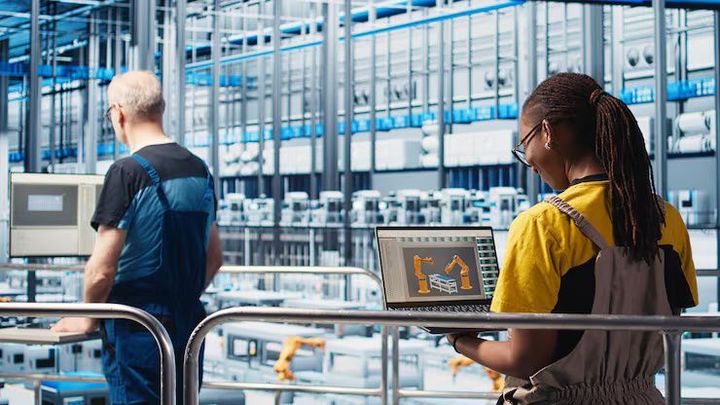
Digitalization has become another major trend. Many facilities now integrate Industrial Internet of Things monitoring systems into thermal operations. These systems can monitor:
- Combustion efficiency
- Steam pressure
- Water chemistry
- Fuel consumption
- Carbon emissions
- Maintenance scheduling
Major Industry Trends in 2025–2026
| Trend | Industry Impact |
|---|---|
| Hydrogen-Compatible Boilers | Reduced fossil fuel dependence |
| Smart Monitoring Systems | Improved efficiency |
| Waste Heat Recovery | Lower energy loss |
| Electrification | Reduced combustion emissions |
| AI-Based Predictive Maintenance | Fewer equipment failures |
In August 2025, several energy policy discussions focused on industrial electrification strategies. Electric boilers are becoming more relevant in regions with renewable electricity infrastructure. Although they may not fully replace large industrial combustion systems, they are increasingly used in commercial buildings and light manufacturing operations.
Another important development is stricter carbon reporting requirements. Large industrial operators are now expected to track emissions more accurately, which has increased demand for automated boiler analytics and environmental reporting systems.
Efficiency Comparison Example
| System Type | Typical Efficiency Range |
|---|---|
| Traditional Non-Condensing Boiler | 70%–80% |
| Condensing Boiler | 90%–98% |
| Electric Boiler | Near 99% point efficiency |
| Biomass Boiler | 75%–90% |
Laws or Policies
Thermal energy boiler systems are heavily influenced by environmental regulations, industrial safety rules, and energy efficiency policies. Different countries maintain separate standards, but most focus on emissions, workplace safety, and energy conservation.
In the United States, industrial boiler emissions are regulated under environmental protection programs that limit pollutants such as nitrogen oxides and particulate matter. Industrial facilities must often conduct periodic inspections and emissions monitoring.
The European Union continues enforcing stricter climate and energy targets through industrial emission directives and energy efficiency programs. Many industrial facilities are encouraged to modernize older thermal systems to meet carbon reduction goals.
India has also strengthened energy efficiency programs for industrial operations. Agencies connected to industrial energy management continue promoting improved combustion efficiency, waste heat recovery, and cleaner fuel adoption.
Common Regulatory Areas
| Regulation Area | Purpose |
|---|---|
| Emission Standards | Reduce air pollution |
| Boiler Inspection Rules | Improve operational safety |
| Energy Efficiency Policies | Lower energy consumption |
| Water Treatment Standards | Prevent equipment damage |
| Workplace Safety Rules | Protect operators |
Environmental policies are encouraging industries to explore cleaner alternatives such as biomass combustion, electrification, and hydrogen-compatible systems. Some regions also provide incentives for adopting energy-efficient thermal technologies.
Safety Compliance Areas
| Safety Element | Importance |
|---|---|
| Pressure Monitoring | Prevent system failure |
| Emergency Shutdown Systems | Reduce accident risk |
| Water Level Controls | Maintain safe operation |
| Routine Inspections | Detect wear and corrosion |
| Operator Training | Improve system management |
Industrial operators must usually maintain maintenance records, inspection certificates, and emissions documentation to remain compliant with local regulations.
Tools and Resources
Several digital tools and technical resources are available to help engineers, facility managers, and researchers better understand thermal energy boiler systems.
Common Industrial Tools
| Tool Type | Main Purpose |
|---|---|
| Boiler Efficiency Calculators | Measure energy performance |
| Steam Tables | Analyze thermal properties |
| Emission Monitoring Software | Track environmental performance |
| Predictive Maintenance Platforms | Detect equipment issues |
| Combustion Analysis Tools | Improve fuel efficiency |
Useful Technical Resources
| Resource Category | Example Usage |
|---|---|
| Engineering Standards | System design guidance |
| Industrial Safety Manuals | Operational procedures |
| Thermal Simulation Software | Performance modeling |
| Water Treatment Guides | Corrosion prevention |
| Energy Audit Templates | Efficiency evaluation |
Modern industrial facilities increasingly use cloud-based monitoring platforms that provide real-time operational dashboards. These systems can help detect abnormal temperature changes, pressure variations, or fuel inefficiencies before serious failures occur.
Important Boiler Performance Indicators
| Indicator | What It Measures |
|---|---|
| Thermal Efficiency | Energy conversion effectiveness |
| Steam Output | Production capacity |
| Fuel Consumption Rate | Operational efficiency |
| Blowdown Rate | Water treatment performance |
| Emission Levels | Environmental compliance |
FAQs
What is the main purpose of a thermal energy boiler system?
A thermal energy boiler system generates heat or steam for industrial, commercial, or institutional use. The heat supports manufacturing processes, heating networks, sanitation, and electricity generation.
Which industries use boiler systems the most?
Industries such as food processing, pharmaceuticals, chemicals, textiles, power generation, oil refining, and healthcare commonly rely on boiler systems for daily operations.
Why are modern boiler systems becoming more energy efficient?
Modern systems use advanced combustion controls, condensing technology, smart monitoring, and improved insulation to reduce heat loss and optimize fuel use.
What are the environmental concerns linked to boiler systems?
Traditional boilers can produce carbon emissions, nitrogen oxides, sulfur compounds, and particulate pollution. Regulations increasingly require cleaner combustion technologies and emission monitoring.
What is a condensing boiler?
A condensing boiler captures additional heat from exhaust gases that would otherwise be wasted. This process improves overall thermal efficiency and reduces fuel consumption.
Conclusion
Thermal energy boiler systems remain a critical part of global industrial infrastructure. They support manufacturing, healthcare, energy production, and commercial heating operations across many sectors. Although the technology has existed for decades, modern systems continue evolving due to environmental concerns, efficiency goals, and industrial automation trends.
Recent developments such as hydrogen-compatible systems, predictive maintenance software, smart sensors, and electrification strategies are reshaping the future of industrial thermal management. Governments and regulatory agencies are also pushing industries toward cleaner and safer operations through stricter efficiency and emissions policies.