Thermal Testing Equipment Guide for Accurate Temperature Evaluation Methods
Thermal testing equipment is used to study how materials, devices, and products react to different temperature conditions.
These systems help manufacturers and researchers understand whether an item can continue working safely after exposure to heat, cold, humidity, or sudden temperature changes. Thermal testing became more common as industries such as electronics, transportation, healthcare, and aerospace started using advanced materials and compact electronic components.
Many industries rely on thermal test chambers and environmental thermal testing equipment to recreate real-world conditions inside controlled laboratory spaces. A product that operates in a desert environment, a cold storage warehouse, or high-altitude aircraft may face extreme temperature variations during daily use. Thermal testing helps identify weaknesses before products reach the public.
Modern thermal cycling test chambers and thermal shock testing equipment can simulate repeated heating and cooling cycles. These tests allow engineers to evaluate expansion, contraction, cracking, corrosion, and electronic failure risks. Temperature testing equipment is now widely used in product research, quality evaluation, and safety verification across many sectors.
Types of Thermal Testing Equipment
Different forms of thermal testing equipment are designed for specific testing needs. Common examples include:
- Thermal test chambers, which create controlled temperature conditions for long-duration exposure testing.
- Thermal cycling test chambers, which repeatedly move between hot and cold temperatures to examine durability over time.
- Thermal shock testing equipment, which exposes products to rapid temperature changes within seconds or minutes.
- Environmental thermal testing equipment, which combines temperature with humidity, vibration, or pressure conditions.
- Industrial thermal testing systems, which support large-scale testing for automotive, manufacturing, and industrial machinery.
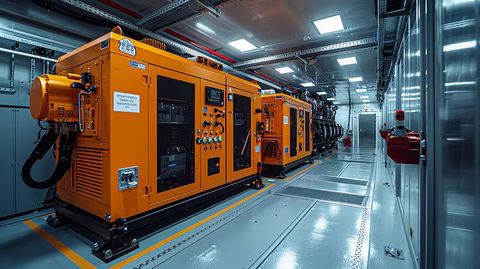
Some thermal testing lab equipment is small enough for laboratory benches, while larger systems can test vehicle parts, aircraft components, or industrial batteries.
Common Temperature Ranges
The operating range of temperature testing equipment varies depending on the application.
| Equipment Type | Typical Temperature Range | Common Application |
|---|---|---|
| Standard thermal chambers | -40°C to 150°C | Consumer electronics |
| Thermal cycling chambers | -70°C to 180°C | Automotive components |
| Thermal shock chambers | -80°C to 220°C | Aerospace and defense |
| Humidity and thermal systems | 10°C to 95°C with humidity control | Medical devices |
| High-temperature industrial systems | Up to 500°C or higher | Industrial materials testing |
Importance
Thermal testing equipment plays an important role in public safety, manufacturing reliability, and product development. Many products used daily experience changing temperatures during transportation, storage, or regular use. Without testing, hidden weaknesses may appear after products reach consumers.
Electronics and Consumer Devices
Thermal test equipment for electronics helps manufacturers evaluate smartphones, computers, batteries, circuit boards, and wearable devices. Electronic components can expand or contract during temperature shifts, which may damage solder joints or internal connections. Testing helps identify these issues before products are widely distributed.
As electronic devices become smaller and more powerful, heat management has become increasingly important. Batteries, processors, and charging systems generate heat during operation, making thermal analysis a major part of product evaluation.
Transportation and Automotive Applications
Vehicles operate under changing weather conditions throughout the year. Components inside engines, braking systems, electric vehicle batteries, and sensors must continue functioning in both high and low temperatures.
Industrial thermal testing systems are often used to evaluate:
- Electric vehicle battery performance
- Dashboard electronics
- Tire materials
- Engine components
- Charging equipment
Thermal cycling tests can also reveal how repeated expansion and contraction affect long-term material durability.
Aerospace and Aviation
Thermal testing equipment for aerospace applications is used to evaluate aircraft electronics, satellites, navigation systems, and structural materials. Aerospace products may face extreme cold at high altitudes and intense heat during operation.
Thermal shock testing equipment is especially important in aerospace because sudden temperature transitions can place stress on sensitive materials and electronic assemblies. Space-related equipment may also undergo vacuum thermal testing to simulate outer-space conditions.
Medical and Healthcare Devices
Medical instruments and laboratory equipment often require stable operating temperatures. Thermal testing helps verify whether equipment can continue operating safely after transportation, sterilization, or long-term storage.
Healthcare testing may involve:
- Diagnostic equipment
- Monitoring devices
- Refrigerated medical storage
- Laboratory analyzers
- Portable healthcare electronics
Temperature stability is especially important for products that store biological materials or temperature-sensitive compounds.
Recent Updates
From 2024 to 2026, several developments have influenced the thermal testing industry. One major trend involves the increasing demand for testing electric vehicle batteries and renewable energy storage systems. Battery systems generate significant heat during charging and discharging, making advanced thermal evaluation more important.
Automation and Smart Monitoring
Many thermal testing equipment manufacturers now include digital monitoring systems and automated reporting features. These systems can collect real-time temperature data, humidity readings, and test cycle information automatically.
Modern environmental thermal testing equipment may include:
- Remote monitoring software
- Cloud-based data storage
- Automated alarm systems
- Predictive maintenance tracking
- Energy efficiency controls
Automation helps laboratories manage large testing volumes while improving consistency across repeated tests.
Sustainability and Energy Efficiency
Laboratories and manufacturers have also focused on reducing energy consumption in thermal test chambers. Some systems now use improved insulation materials, variable-speed compressors, and energy-saving refrigeration technologies.
These changes are partly connected to broader environmental goals and energy management policies adopted across industrial sectors.
Expanded Testing for Electric Vehicles
Electric vehicles and battery storage systems have increased demand for thermal cycling test chambers. Battery packs must operate across wide temperature ranges while maintaining performance and safety.
Testing procedures now often include:
- Rapid charge-discharge heat generation
- Cold weather startup evaluation
- Battery aging simulation
- Thermal runaway observation
- Humidity and vibration combinations
This trend has influenced both automotive and electronics testing facilities worldwide.
Artificial Intelligence and Data Analysis
Some industrial thermal testing systems now integrate artificial intelligence tools that analyze testing patterns and predict potential failures earlier in the process. These systems can compare historical testing data and identify unusual temperature behaviors more quickly than traditional manual analysis methods.
Laws or Policies
Thermal testing equipment is often influenced by industrial standards, safety regulations, and environmental compliance requirements. The specific rules vary by country and industry.
International Standards
Several international organizations publish testing guidelines related to thermal evaluation. Common standards include:
- International Electrotechnical Commission (IEC) standards for electronics testing
- International Organization for Standardization (ISO) guidelines for laboratory quality systems
- ASTM International material testing standards
- Military and aerospace environmental testing standards
These standards help laboratories perform consistent and repeatable testing procedures across different regions.
Environmental and Energy Regulations
Many countries have introduced environmental policies that affect industrial testing equipment. Refrigerants used in thermal test chambers may be regulated to reduce environmental impact. Energy efficiency requirements can also influence equipment design and operation.
Laboratories handling hazardous materials or battery testing may need additional ventilation, fire protection, and safety monitoring systems.
Aerospace and Transportation Compliance
Thermal testing equipment for aerospace applications is often used under strict regulatory frameworks. Aviation authorities may require environmental testing before aircraft components can be approved for operational use.
Automotive battery systems are also subject to transportation and safety regulations, especially for electric vehicles and energy storage systems.
Laboratory Accreditation
Testing laboratories frequently follow accreditation programs to demonstrate accurate measurement and documentation practices. Accreditation may involve equipment calibration, staff training, record management, and routine inspection procedures.
Tools and Resources
Several tools and digital resources support thermal testing activities and temperature evaluation processes.
Monitoring and Data Logging Software
Modern thermal testing lab equipment often connects with specialized software platforms that record and analyze temperature data during testing cycles. These systems may generate charts, reports, and automated alerts.
Common monitoring functions include:
- Real-time temperature graphs
- Cycle duration tracking
- Humidity monitoring
- Sensor calibration records
- Exportable testing reports
Simulation and Modeling Programs
Some organizations use computer simulation software alongside physical testing. Thermal simulation tools can estimate heat flow, airflow, and material behavior before laboratory testing begins.
These programs are commonly used in:
- Electronics design
- Battery engineering
- Aerospace development
- Industrial manufacturing
Government and Standards Websites
Publicly available standards databases and government resources help laboratories understand testing requirements. Organizations such as IEC, ISO, ASTM International, and national safety agencies publish technical documentation related to environmental testing practices.
Calibration Equipment
Accurate thermal testing depends on reliable calibration tools. Laboratories may use reference thermometers, temperature sensors, and calibration baths to verify that testing equipment produces accurate readings.
FAQs
What is thermal testing equipment used for?
Thermal testing equipment is used to study how products respond to heat, cold, humidity, and temperature changes. It helps evaluate durability, safety, and long-term performance in controlled environments.
How do thermal cycling test chambers work?
Thermal cycling test chambers repeatedly alternate between hot and cold temperatures. This process helps identify stress-related damage caused by expansion and contraction in materials or electronic components.
What industries use thermal shock testing equipment?
Thermal shock testing equipment is commonly used in aerospace, automotive, electronics, medical technology, and industrial manufacturing. These industries often test products exposed to sudden temperature shifts.
What is the difference between thermal test chambers and environmental thermal testing equipment?
Thermal test chambers mainly focus on temperature control, while environmental thermal testing equipment may combine temperature with humidity, vibration, pressure, or altitude simulation.
Why is thermal test equipment for electronics important?
Thermal test equipment for electronics helps detect overheating, circuit damage, solder joint failure, and battery-related temperature issues before products are widely used.
Conclusion
Thermal testing equipment helps industries evaluate how products behave under changing temperature conditions. Systems such as thermal cycling test chambers, thermal shock testing equipment, and environmental thermal testing equipment support product safety, durability evaluation, and research activities across many sectors. Advances in automation, battery testing, and digital monitoring continue shaping the development of industrial thermal testing systems. As products become more complex and temperature-sensitive, accurate testing methods remain an important part of manufacturing and laboratory operations.