TNF Alpha ELISA Kit Guide: Applications and Detection
Tumor Necrosis Factor Alpha (TNF-α) is a signaling protein known as a cytokine that plays an important role in the body's immune response. It is produced primarily by immune cells and helps regulate inflammation, infection response, and cellular communication. Because TNF-α levels can change significantly during disease processes, researchers often measure this biomarker to better understand immune system activity.
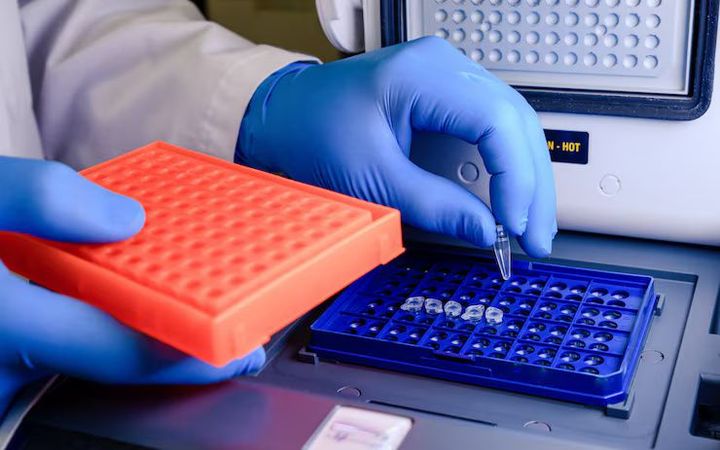
A TNF Alpha ELISA Kit is a laboratory tool used to detect and quantify TNF-α concentrations in biological samples such as blood serum, plasma, cell culture supernatants, and tissue extracts. ELISA stands for Enzyme-Linked Immunosorbent Assay, a widely used laboratory technique designed to identify specific proteins through antigen-antibody interactions.
The development of ELISA technology transformed biomedical research by providing a reliable and relatively straightforward method for measuring proteins and biomarkers. TNF Alpha ELISA Kits were introduced to help researchers study inflammatory responses, autoimmune conditions, infectious diseases, and other biological processes where TNF-α plays a critical role.
The fundamental principle involves antibodies that specifically recognize TNF-α molecules. When a sample is added to the assay, TNF-α binds to these antibodies. Additional reagents create a measurable color change, allowing scientists to determine the amount of TNF-α present.
Common Components of a TNF Alpha ELISA Kit
| Component | Purpose |
|---|---|
| Capture Antibody | Binds TNF-α in the sample |
| Detection Antibody | Helps identify bound TNF-α |
| Standards | Create a calibration curve |
| Enzyme Conjugate | Produces measurable signals |
| Substrate Solution | Generates color development |
| Wash Buffer | Removes unbound materials |
| Microplate | Holds samples during testing |
Understanding these components helps researchers interpret assay results and maintain experimental consistency.
Why TNF Alpha ELISA Kits Matter in Modern Research
Inflammation is a natural defense mechanism, but excessive or prolonged inflammation can contribute to numerous health conditions. TNF-α is one of the most studied inflammatory cytokines because it influences many biological pathways.
Researchers use TNF Alpha ELISA Kits to investigate:
- Immune system responses
- Inflammatory signaling pathways
- Autoimmune disease mechanisms
- Infectious disease progression
- Cancer-related inflammation
- Drug development and therapeutic evaluation
- Vaccine response studies
The importance of TNF-α research has grown substantially as scientists gain a better understanding of chronic inflammatory disorders. Measuring TNF-α allows researchers to monitor biological changes and evaluate how different treatments or interventions affect inflammatory activity.
Key Research Areas
| Research Area | Role of TNF-α Measurement |
| Autoimmune Studies | Monitoring inflammatory activity |
| Infectious Disease Research | Evaluating immune responses |
| Oncology Research | Understanding tumor-associated inflammation |
| Drug Discovery | Assessing biological effects of compounds |
| Immunology | Investigating cytokine networks |
TNF Alpha ELISA Kits help generate reproducible data, making them valuable tools for laboratories worldwide. Their ability to quantify cytokines accurately supports evidence-based scientific investigations.
How Detection Methods Work
Several detection approaches are used in ELISA-based assays.
Colorimetric Detection
This is the most common method. A color change occurs when the enzyme reacts with a substrate. The intensity of the color corresponds to TNF-α concentration and is measured using a microplate reader.
Chemiluminescent Detection
In this method, a chemical reaction produces light instead of color. Specialized instruments measure the emitted light, often providing higher sensitivity.
Fluorescent Detection
Fluorescent molecules generate signals when exposed to specific wavelengths of light. This method is useful for detecting very low concentrations of biomarkers.
Simplified Detection Workflow
Sample Collection
        ↓
TNF-α Binding to Capture Antibody
        ↓
Detection Antibody Added
        ↓
Signal Generation
        ↓
Measurement and Analysis
        ↓
Data Interpretation
Each detection method has advantages depending on laboratory requirements, sensitivity needs, and research objectives.
Recent Developments and Trends in TNF Alpha Detection
The field of biomarker analysis continues to evolve rapidly. During 2025 and early 2026, several notable trends emerged in cytokine detection technologies.
Enhanced Sensitivity Technologies
Many laboratories are adopting high-sensitivity immunoassays capable of detecting extremely low TNF-α concentrations. These advancements improve the study of subtle immune responses and early biological changes.
Multiplex Cytokine Analysis
Researchers increasingly prefer platforms capable of measuring multiple cytokines simultaneously. Instead of analyzing TNF-α alone, scientists can examine broader inflammatory profiles within a single experiment.
Automation and Digital Integration
Modern laboratory systems now integrate automated sample handling and digital data analysis. These developments reduce manual errors and improve reproducibility.
Growing Interest in Personalized Medicine Research
As precision medicine research expands, cytokine profiling has become increasingly important. TNF-α measurements are frequently included in studies examining individual immune responses and disease variability.
Artificial Intelligence in Data Interpretation
Throughout 2025, researchers explored machine learning approaches for analyzing large biomarker datasets. These methods can help identify patterns and relationships that may not be obvious through traditional analysis.
Sustainability in Laboratory Operations
Many institutions have introduced initiatives focused on reducing laboratory waste and improving resource efficiency. This trend has influenced assay development, packaging, and workflow design.
Regulatory Frameworks and Research Policies
TNF Alpha ELISA Kits are generally used within research and laboratory settings. Their use is often influenced by scientific standards, quality requirements, and regulatory frameworks.
Laboratory Quality Standards
Research laboratories frequently follow internationally recognized quality systems to ensure accurate and reliable results. These standards help maintain consistency in sample handling, assay performance, and data reporting.
Good Laboratory Practice (GLP)
Good Laboratory Practice guidelines provide frameworks for conducting scientific studies. These principles promote data integrity, documentation, and reproducibility.
Ethical Research Requirements
When human biological samples are involved, researchers must follow ethical review procedures and obtain appropriate approvals. These requirements help protect participant rights and privacy.
Data Protection Regulations
Research involving biological information may be subject to data protection laws. Proper handling and storage of research data are essential components of modern scientific practice.
International Harmonization Efforts
Scientific organizations continue working toward standardized biomarker testing methods. Harmonization initiatives aim to improve comparability between studies conducted in different laboratories and countries.
Helpful Tools and Learning Resources
Researchers and students can benefit from various educational and analytical resources related to ELISA technology and cytokine measurement.
Useful Resource Categories
- Laboratory protocol templates
- Data analysis spreadsheets
- Standard curve calculators
- Statistical analysis tools
- Scientific literature databases
- Research methodology guides
- Cytokine pathway diagrams
- Experimental design checklists
Common Analysis Tools
| Resource Type | Purpose |
| Standard Curve Calculator | Quantifies biomarker concentration |
| Statistical Software | Analyzes experimental results |
| Laboratory Notebook Templates | Organizes research records |
| Graphing Tools | Visualizes assay data |
| Research Databases | Accesses scientific publications |
These resources help improve understanding, accuracy, and efficiency in laboratory research.
Frequently Asked Questions
What does TNF-α do in the body?
TNF-α is a cytokine involved in immune regulation and inflammation. It helps coordinate responses to infections, injuries, and other biological challenges.
What is the primary purpose of a TNF Alpha ELISA Kit?
The kit is designed to detect and measure TNF-α levels in biological samples, helping researchers study inflammatory and immune-related processes.
Which samples can be analyzed using TNF Alpha ELISA Kits?
Common sample types include serum, plasma, cell culture supernatants, tissue extracts, and other biological fluids, depending on assay specifications.
Why is TNF-α considered an important biomarker?
TNF-α plays a central role in inflammatory signaling pathways. Measuring its levels provides valuable information about immune activity and biological responses.
What factors can affect ELISA results?
Sample quality, storage conditions, reagent handling, incubation times, and laboratory procedures can all influence assay performance and data accuracy.
Conclusion
TNF Alpha ELISA Kits are important research tools used to measure one of the body's most significant inflammatory cytokines. By enabling accurate detection of TNF-α, these assays support investigations into immunology, inflammation, infectious diseases, oncology, and many other scientific fields.
Disclaimer: The information provided in this article is for informational purposes only. We do not make any claims or guarantees regarding the accuracy, reliability, or completeness of the information presented. The content is not intended as professional advice and should not be relied upon as such. Readers are encouraged to conduct their own research and consult with appropriate professionals before making any decisions based on the information provided in this article.