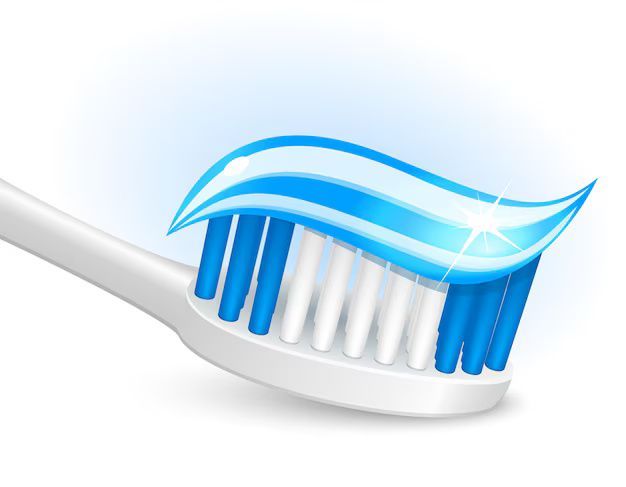
Toothbrush Overview: Features, Materials and Benefits
A toothbrush is one of the most common personal care tools used for maintaining oral hygiene. It helps remove food particles, dental plaque, and bacteria from the surface of the teeth, gums, and tongue. Regular brushing supports healthy teeth and contributes to better overall oral health. Understanding toothbrush features, materials, and benefits can help people make informed choices for their daily dental care routine.
Modern toothbrushes are available in different shapes, sizes, and designs to suit various age groups and oral care needs. Advances in manufacturing and material technology have improved comfort, durability, and cleaning performance while also encouraging environmentally responsible options. Learning about toothbrush design and proper use helps individuals maintain effective oral hygiene habits.
Context
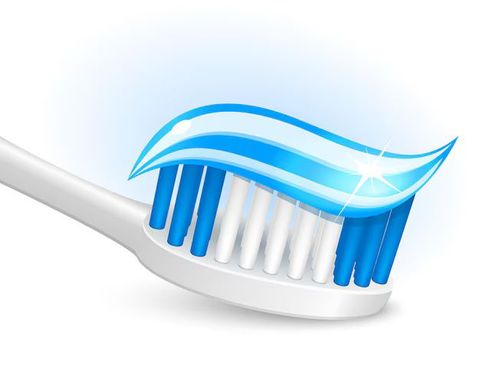
A toothbrush is a handheld oral hygiene tool designed to clean teeth and gums using a small head fitted with bristles. It is commonly used together with toothpaste to remove plaque and reduce the buildup of bacteria that may contribute to tooth decay and gum disease.
The history of the toothbrush spans many centuries. Early cleaning tools included chewing sticks and natural fibers before modern toothbrushes became widely available. Today, toothbrushes are produced in manual and powered versions, with designs intended for children, adults, and individuals with specific dental needs.
The primary purpose of a toothbrush is to support daily oral hygiene by cleaning areas that are difficult to reach with rinsing alone. Dental professionals generally recommend brushing twice a day using proper brushing techniques.
Common Toothbrush Features
- Soft, medium, or firm bristles
- Compact or full-sized brush heads
- Ergonomic handles for improved grip
- Flexible neck designs
- Tongue cleaning surfaces on some models
- Manual and electric brushing options
Common Toothbrush Materials
| Component | Common Materials | Purpose |
|---|---|---|
| Bristles | Nylon or plant-based fibers | Clean teeth and gums |
| Handle | Plastic, bamboo, or recycled materials | Comfortable handling |
| Grip | Rubber or silicone | Improved control during brushing |
| Brush Head | Plastic or biodegradable materials | Holds the bristles securely |
Importance
A toothbrush plays an important role in maintaining healthy teeth and gums throughout life. Consistent brushing helps remove plaque before it hardens into tartar, reducing the risk of cavities and gum-related conditions.
Good oral hygiene also supports overall health. Research continues to explore connections between oral health and general well-being, making daily brushing an important preventive habit for many people.
Different groups benefit from appropriate toothbrush selection, including:
- Children learning healthy brushing habits
- Teenagers with orthodontic appliances
- Adults focused on long-term dental health
- Older adults with changing oral care needs
- Individuals with sensitive gums or limited hand mobility
Choosing a toothbrush with suitable bristle softness and head size can improve comfort while encouraging proper brushing techniques.
Recent Updates
Between 2024 and 2026, toothbrush technology and manufacturing have continued to evolve with greater attention to sustainability, comfort, and digital health.
Manufacturers have expanded the use of recycled plastics and renewable materials in toothbrush handles to reduce environmental impact. Bamboo-based handles and recyclable packaging have become more common in several markets.
Electric toothbrush technology has also improved through enhanced pressure sensors, brushing timers, and mobile application connectivity that helps users monitor brushing duration and technique.
Artificial intelligence is increasingly being integrated into certain smart toothbrush systems to provide personalized brushing feedback. These systems can identify missed brushing areas and encourage more consistent oral hygiene habits.
Another noticeable trend is the development of replaceable brush heads designed to reduce plastic waste while maintaining effective cleaning performance.
Healthcare organizations continue to emphasize evidence-based recommendations that prioritize proper brushing technique, soft bristles, and routine toothbrush replacement over unnecessary product complexity.
Laws or Policies
Toothbrushes are generally classified as consumer healthcare or personal care products. Their production and distribution are subject to safety and quality requirements that vary by country.
Many countries regulate toothbrush materials to ensure they are suitable for regular human use. Manufacturers must follow applicable product safety standards and material regulations intended to reduce potential health risks.
Environmental policies are also influencing toothbrush manufacturing. Some governments encourage recyclable materials, reduced plastic packaging, and improved waste management practices for consumer products.
Dental health authorities commonly publish educational guidance recommending:
- Brushing teeth twice each day
- Using a toothbrush with soft bristles for most individuals
- Replacing toothbrushes approximately every three to four months or sooner if the bristles become worn
- Supervising young children during brushing until they develop proper technique
Healthcare professionals may recommend specific toothbrush designs for people with braces, dental implants, or certain medical conditions based on individual oral health needs.
Tools and Resources
Several educational resources can help individuals learn more about toothbrush selection and oral hygiene.
| Resource | Purpose |
| World Health Organization (WHO) | General health information and public health guidance |
| American Dental Association (ADA) | Oral hygiene education and brushing recommendations |
| National dental association websites | Country-specific oral health guidance |
| Dental clinic educational pages | Practical brushing techniques and preventive care information |
| Tooth brushing timers | Help maintain recommended brushing duration |
Useful resources may include:
- Interactive brushing timers
- Oral hygiene tracking applications
- Educational videos demonstrating brushing techniques
- Printable brushing charts for children
- Dental appointment reminder tools
These resources support healthy daily routines while promoting better understanding of oral hygiene practices.
FAQs
What are the main toothbrush features?
Most toothbrushes include a handle, brush head, and bristles. Additional features may include ergonomic grips, flexible necks, tongue cleaners, and pressure-sensitive technology in electric models.
Which toothbrush materials are commonly used?
Nylon bristles remain the most common choice, while handles may be made from plastic, recycled materials, bamboo, or other environmentally conscious alternatives.
How often should a toothbrush be replaced?
Dental professionals commonly recommend replacing a toothbrush every three to four months or earlier if the bristles become frayed or damaged.
Are soft bristles better than firm bristles?
Soft bristles are generally recommended because they clean effectively while reducing the chance of excessive wear on teeth and irritation to the gums when used correctly.
What are the benefits of using a toothbrush regularly?
Regular brushing helps remove plaque, supports healthy gums, reduces the risk of cavities, improves oral cleanliness, and contributes to long-term dental health when combined with other oral hygiene practices.
Conclusion
A toothbrush remains one of the most important tools for maintaining daily oral hygiene. Understanding toothbrush features, materials, and benefits helps individuals make informed decisions based on their personal dental needs. Advances in sustainable materials and smart technology continue to improve toothbrush design while maintaining the primary goal of effective cleaning. Consistent brushing, proper technique, and routine toothbrush replacement contribute to healthier teeth and gums over time.