Learn About Nut Bolt Materials and Performance
Nut bolt materials and performance play an important role in construction, manufacturing, transportation, and many other industries. These fastening components connect parts securely, helping structures and machines remain stable under different working conditions. Selecting suitable materials and understanding performance characteristics can improve reliability, durability, and safety.
Different industries use nuts and bolts in unique environments, including high temperatures, moisture, vibration, and heavy loads. Because of these varying conditions, manufacturers produce fasteners from different materials with specific mechanical properties. Learning about nut bolt materials and performance helps users understand why certain fasteners are suitable for particular applications while supporting long-term structural integrity.
Context
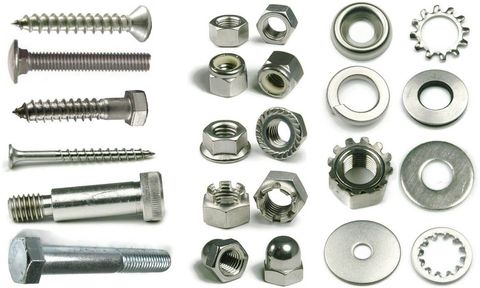
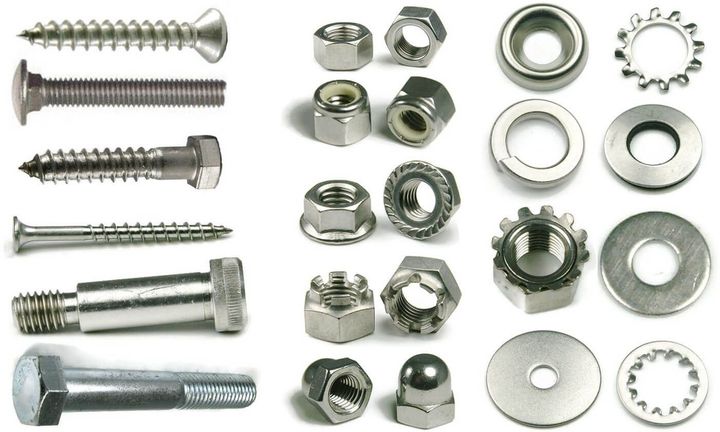
A nut and bolt are fastening components designed to join two or more parts together using threaded connections. The bolt typically passes through aligned holes, while the nut is tightened onto the threaded end to create a secure connection. This simple yet effective fastening method has been used for centuries and continues to evolve with modern manufacturing technology.
The performance of a nut bolt depends on several factors, including material composition, manufacturing quality, heat treatment, corrosion resistance, thread accuracy, and installation methods. Engineers evaluate these characteristics to determine whether a fastener can safely handle expected loads and environmental conditions.
Common nut bolt materials include:
- Carbon steel
- Alloy steel
- Stainless steel
- Brass
- Bronze
- Aluminum
- Titanium
Each material provides different advantages depending on the intended application.
Common Nut Bolt Materials
| Material | Main Characteristics | Typical Applications |
|---|---|---|
| Carbon Steel | High strength, widely used | Construction, machinery |
| Alloy Steel | Enhanced durability and hardness | Heavy industrial equipment |
| Stainless Steel | Excellent corrosion resistance | Marine, food processing, outdoor structures |
| Brass | Good corrosion resistance and conductivity | Electrical fittings, decorative hardware |
| Aluminum | Lightweight and corrosion resistant | Automotive and aerospace components |
| Titanium | High strength-to-weight ratio | Aerospace, medical equipment |
Importance
Nut bolt materials and performance influence the safety and efficiency of many everyday systems. Buildings, bridges, vehicles, industrial equipment, pipelines, and renewable energy systems all rely on properly selected fasteners to maintain secure connections.
Choosing the appropriate material helps reduce risks associated with corrosion, fatigue, vibration, and mechanical failure. Engineers consider environmental exposure, required strength, operating temperature, and expected service life before selecting a fastening solution.
The topic affects many groups, including:
- Engineers
- Manufacturers
- Construction professionals
- Maintenance teams
- Infrastructure planners
- Students studying mechanical or civil engineering
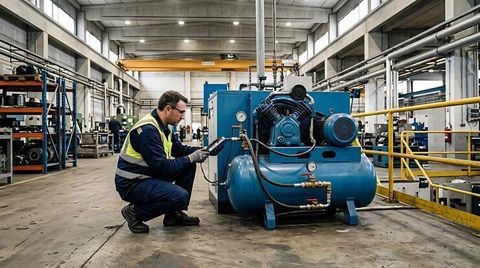
Proper understanding also supports preventive maintenance. Regular inspection and correct replacement schedules help maintain structural reliability while reducing unexpected equipment downtime.
Factors That Influence Performance
Several factors determine how a nut bolt performs during its working life:
- Material strength
- Tensile strength
- Yield strength
- Corrosion resistance
- Surface coating
- Thread precision
- Heat treatment
- Installation torque
- Environmental exposure
- Cyclic loading and vibration
Each factor contributes to overall fastening reliability.
Recent Updates
Between 2024 and 2026, the fastener industry has continued improving manufacturing quality, sustainability, and performance standards. New production methods focus on increasing consistency while reducing material waste.
Several important developments include:
- Greater adoption of corrosion-resistant coatings with improved environmental performance.
- Increased use of digital quality inspection systems using automated measurement technology.
- Wider application of high-performance alloys for renewable energy infrastructure.
- Improved manufacturing precision through computer-controlled machining processes.
- Expanded recycling initiatives for steel and metal fasteners.
- Better traceability using digital product identification systems in industrial supply chains.
Industries involved in electric vehicles, wind energy, railway infrastructure, and advanced manufacturing continue demanding fasteners capable of handling higher loads and longer operational life.
Research has also focused on lightweight materials that maintain strength while reducing overall equipment weight. These developments support improved efficiency in transportation and aerospace applications.
Laws or Policies
Nut bolt manufacturing and application are commonly guided by internationally recognized technical standards rather than a single universal law. These standards help ensure consistency, compatibility, testing accuracy, and product reliability.
Some widely used standards include:
- ISO standards for metric fasteners
- ASTM material specifications
- DIN standards
- ANSI fastener standards
- Mechanical property classifications for bolts and nuts
Many countries require construction and industrial projects to follow applicable engineering standards through national building regulations or industry-specific safety requirements.
Quality management systems often follow internationally recognized manufacturing practices that include:
- Material testing
- Dimensional inspection
- Mechanical testing
- Traceability documentation
- Production quality control
Compliance with these standards supports safe engineering practices across infrastructure, transportation, manufacturing, and energy sectors.
Tools and Resources
Several reliable resources help engineers, students, manufacturers, and maintenance professionals understand nut bolt materials and performance.
Useful resources include:
- ISO standards database for international fastener specifications.
- ASTM standards library for material testing requirements.
- Engineering handbooks covering mechanical properties.
- Bolt torque calculators for installation guidance.
- Material compatibility charts for corrosion prevention.
- CAD libraries containing standard fastener dimensions.
- Technical specification sheets published by recognized standards organizations.
Digital engineering software also helps evaluate:
- Load distribution
- Joint design
- Stress analysis
- Material selection
- Thread compatibility
These resources improve technical understanding while supporting accurate engineering calculations and documentation.
FAQs
What are the most common materials used for nuts and bolts?
Carbon steel, alloy steel, stainless steel, brass, aluminum, and titanium are among the most commonly used materials. Each provides different mechanical and corrosion-resistant properties.
Why is stainless steel often selected for outdoor applications?
Stainless steel provides strong resistance to corrosion and moisture, making it suitable for outdoor environments, marine conditions, and locations exposed to weather.
What affects the performance of a nut and bolt?
Performance depends on material type, manufacturing quality, thread accuracy, heat treatment, installation torque, environmental conditions, and maintenance practices.
How are nut bolts tested for quality?
Manufacturers commonly perform tensile testing, hardness testing, dimensional inspection, coating evaluation, and mechanical property verification according to recognized industry standards.
Why are international standards important for fasteners?
Standards improve compatibility, safety, product consistency, testing methods, and quality control across industries and countries.
Conclusion
Understanding nut bolt materials and performance helps explain how fastening systems support safe and reliable structures, equipment, and infrastructure. Different materials provide unique combinations of strength, corrosion resistance, and durability for specific environments. Recent technological developments continue improving manufacturing quality, inspection methods, and sustainability. Following recognized engineering standards and using appropriate technical resources helps ensure dependable fastening performance across a wide range of applications.