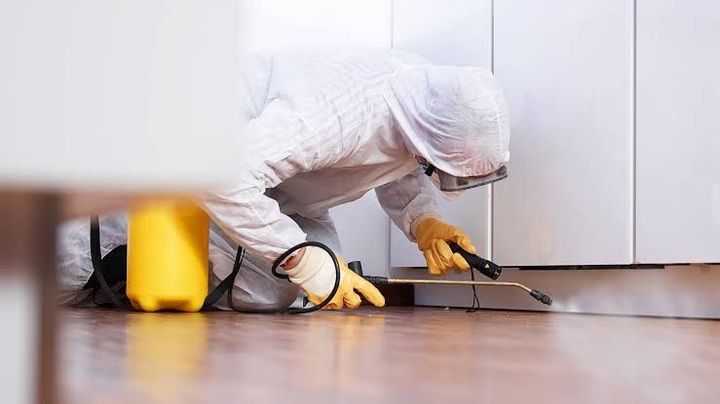
Home Pest Control: Effective Prevention and Management Guide
Home pest control involves preventing, identifying, and managing unwanted insects, rodents, and other pests inside and around a home.
A well-planned approach focuses on cleanliness, regular inspections, proper maintenance, and safe pest management practices.
Pests can affect comfort, hygiene, and property. Early prevention and routine monitoring help reduce the chances of infestations and support a healthier living environment.
Quick Answer: What Is Home Pest Control?
- Home pest control focuses on preventing and managing household pests.
- Good sanitation reduces food and water sources for pests.
- Sealing entry points helps stop pests from entering the home.
- Regular inspections identify pest activity early.
- Proper waste management supports long-term pest prevention.
- Moisture control discourages many common household pests.
- Routine maintenance improves overall household protection.
What Is Home Pest Control?
Home pest control is the process of reducing pest activity through prevention, monitoring, and appropriate management methods.
A successful strategy combines environmental improvements with regular inspections. This approach helps reduce pest populations while supporting a clean and healthy home.
Common household pests include:
- Ants
- Cockroaches
- Termites
- Rodents
- Mosquitoes
- Flies
- Bed bugs
- Spiders
- Silverfish
- Wasps
Why Is Home Pest Control Important?
Pests can spread quickly when suitable conditions exist.
Effective pest control helps:
- Protect household hygiene
- Reduce contamination risks
- Prevent structural damage
- Improve indoor comfort
- Support healthier living spaces
- Minimize pest breeding areas
Prevention is often more effective than managing large infestations.
How Does Home Pest Control Work?
Home pest control combines several preventive practices.
Step 1: Inspect the Property
Inspect both indoor and outdoor areas regularly.
Look for:
- Pest droppings
- Nesting materials
- Damaged wood
- Small openings
- Moisture buildup
- Food debris
Step 2: Identify the Pest
Correct identification helps determine suitable management methods.
Different pests require different control strategies.
Step 3: Remove Food and Water Sources
Many pests survive where food and moisture are available.
Helpful practices include:
- Cleaning kitchen surfaces
- Storing food in sealed containers
- Repairing water leaks
- Emptying trash regularly
- Cleaning pet feeding areas
Step 4: Block Entry Points
Prevent pests from entering the home.
Common entry points include:
- Wall cracks
- Window gaps
- Door openings
- Roof vents
- Pipe openings
- Foundation gaps
Step 5: Continue Monitoring
Regular inspections help detect new pest activity before it spreads.
What Are the Most Common Household Pests?
Ants
Ants search for food and water.
They often enter through tiny cracks around doors and windows.
Cockroaches
Cockroaches prefer warm, dark, and moist areas.
They commonly hide behind appliances and inside cabinets.
Rodents
Mice and rats can enter through very small openings.
They may damage wiring, insulation, and stored materials.
Termites
Termites feed on wood and wood-based materials.
Early detection helps reduce structural damage.
Bed Bugs
Bed bugs hide near sleeping areas.
They feed primarily during the night.
Mosquitoes
Mosquitoes breed in standing water.
Removing stagnant water helps reduce breeding sites.
How Can You Prevent Household Pests?
Prevention is the foundation of effective pest control.
Helpful practices include:
- Keep kitchens clean
- Store food properly
- Remove standing water
- Repair plumbing leaks
- Seal cracks and openings
- Empty garbage frequently
- Trim vegetation near the home
- Clean storage areas regularly
- Reduce indoor humidity
- Inspect the property often
Which Areas of a Home Need Regular Inspection?
Some areas attract pests more frequently.
Inspect these locations:
- Kitchen cabinets
- Pantries
- Bathrooms
- Basements
- Attics
- Garages
- Utility rooms
- Crawl spaces
- Roof areas
- Outdoor storage spaces
Routine inspections improve early detection.
What Signs Suggest Pest Activity?
Watch for common warning signs.
These include:
- Droppings
- Chewed materials
- Damaged food packaging
- Unusual odors
- Nesting materials
- Small holes
- Mud tubes
- Dead insects
- Scratch marks
- Pest sightings
Early action helps prevent larger infestations.
How Does Moisture Affect Pest Problems?
Many pests require moisture to survive.
Moist areas often attract:
- Cockroaches
- Mosquitoes
- Silverfish
- Termites
Reducing moisture helps create a less favorable environment.
What Role Does Sanitation Play in Pest Prevention?
Good sanitation removes conditions that attract pests.
Important habits include:
- Wiping food spills immediately
- Cleaning floors regularly
- Washing dishes promptly
- Covering trash containers
- Organizing storage spaces
- Removing clutter
Consistent cleaning supports long-term pest prevention.
What Safe Pest Management Practices Can Homeowners Follow?
Safe pest management focuses on prevention first.
Useful practices include:
- Routine inspections
- Proper food storage
- Moisture control
- Landscape maintenance
- Entry point sealing
- Monitoring pest activity
- Following product instructions carefully when using approved pest control products
Integrated Pest Management (IPM) combines multiple preventive methods for long-term results.
How Can Outdoor Maintenance Help Prevent Pests?
Outdoor conditions influence indoor pest activity.
Helpful maintenance practices include:
- Trim trees and shrubs
- Remove leaf piles
- Keep gutters clean
- Drain standing water
- Store firewood away from the home
- Maintain proper drainage
- Keep outdoor areas tidy
These steps reduce pest hiding places.
What Modern Technologies Support Home Pest Control?
Recent developments improve pest monitoring and prevention.
Examples include:
- Smart pest monitoring devices
- Digital inspection tools
- Motion detection sensors
- Moisture monitoring systems
- Connected environmental sensors
- Data-driven pest tracking
- Automated monitoring alerts
These technologies improve early detection and monitoring.
Frequently Asked Questions
How often should a home be inspected for pests?
Routine inspections every few months help identify pest activity early.
Which household pests are most common?
Ants, cockroaches, rodents, termites, mosquitoes, and bed bugs are among the most common.
Why is moisture control important?
Many pests depend on moisture for survival and reproduction.
Can cleanliness reduce pest problems?
Yes. Good sanitation removes food and water sources that attract pests.
What is Integrated Pest Management?
Integrated Pest Management is a preventive approach that combines inspection, sanitation, exclusion, monitoring, and targeted management practices.
Key Takeaways
Home Pest Control Summary
- Home pest control focuses on prevention, monitoring, and effective management.
- Regular inspections help detect pest activity early.
- Cleanliness reduces food and water sources.
- Sealing entry points limits pest access.
- Moisture control discourages many household pests.
- Outdoor maintenance supports indoor pest prevention.
- Integrated Pest Management encourages long-term pest reduction.
- Consistent maintenance creates a cleaner and healthier home.