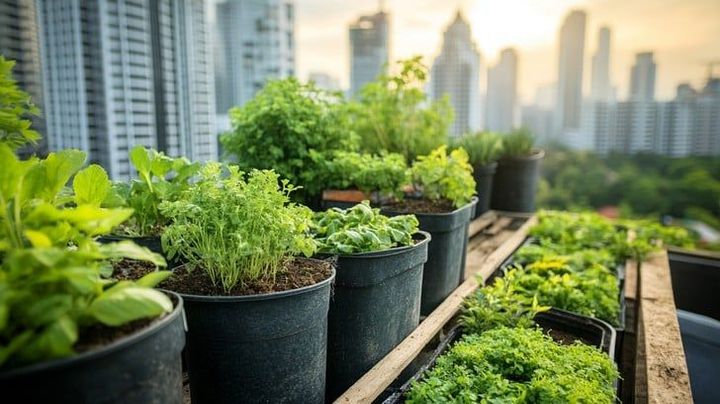
Urban Gardening: A Practical Guide to Growing Green Spaces
Urban Gardening has become an increasingly popular way for people to grow plants, vegetables, herbs, and flowers in cities where outdoor space is often limited.
Whether it is a balcony, rooftop, terrace, backyard, or even a sunny windowsill, urban gardening allows individuals to create productive green spaces while improving their surroundings.
As cities continue to expand, more households, schools, and community groups are embracing urban gardening to support sustainable living, enhance biodiversity, and enjoy fresh homegrown produce. This guide explains how urban gardening works, its different methods, benefits, challenges, and practical tips for creating a successful garden.
What Is Urban Gardening?
Urban Gardening is the practice of growing plants within towns and cities using available spaces. Unlike traditional farming, urban gardens are created in compact areas such as balconies, rooftops, courtyards, patios, community gardens, and indoor environments.
These gardens may include vegetables, herbs, fruits, flowering plants, ornamental shrubs, or even small trees. Depending on the available space, gardeners can use containers, raised beds, vertical structures, or hydroponic systems.
Urban gardening combines efficient use of space with sustainable growing practices, making it suitable for modern city living.
Why Urban Gardening Is Important
Rapid urban development often reduces access to natural green spaces. Urban gardening helps restore some of that greenery while creating healthier and more attractive living environments.
Growing plants at home can improve air quality, encourage biodiversity by attracting pollinators, and provide opportunities to learn about sustainable gardening. Community gardens also strengthen neighborhood connections by bringing people together through shared gardening activities.
Many individuals also appreciate the opportunity to grow herbs and vegetables close to home while developing a greater understanding of food production.
Popular Types of Urban Gardening
Urban Gardening can be adapted to suit different spaces and lifestyles.
Container Gardening
Container gardening is ideal for balconies, patios, and terraces. Pots, grow bags, and planter boxes make it possible to cultivate vegetables, herbs, and flowering plants in limited areas.
Vertical Gardening
Vertical gardens use walls, trellises, hanging planters, or modular systems to maximize growing space. This method is especially useful where floor space is limited.
Rooftop Gardening
Flat rooftops can be transformed into productive gardens that support vegetables, flowers, shrubs, and relaxation spaces while helping reduce heat absorption.
Community Gardening
Community gardens allow multiple households to share gardening space, exchange knowledge, and grow a wide variety of plants together.
Indoor Gardening
Indoor gardens use natural sunlight or specialized growing lights to cultivate herbs, leafy vegetables, ornamental plants, and decorative greenery throughout the year.
Choosing the Right Plants
Plant selection depends on available sunlight, climate, and growing space.
Many urban gardeners choose:
- Tomatoes
- Lettuce
- Spinach
- Basil
- Mint
- Coriander
- Chili peppers
- Strawberries
- Marigolds
- Succulents
Selecting plants suited to local weather conditions improves growth and simplifies maintenance.
Benefits of Urban Gardening
Urban Gardening offers environmental, social, and personal advantages.
Green spaces help improve urban biodiversity by supporting birds, butterflies, and beneficial insects. Plants also contribute to cleaner air while reducing the visual impact of densely built environments.
Gardening encourages regular outdoor activity and provides opportunities to learn about plant care, composting, and sustainable growing techniques. Many gardeners find that maintaining plants also supports relaxation and reduces everyday stress.
Growing herbs and vegetables at home can improve awareness of seasonal food production while encouraging responsible use of natural resources such as water and compost.
Best Practices for Successful Urban Gardening
A successful garden begins with careful planning.
Choose a location that receives sufficient sunlight and provides adequate drainage. Use healthy soil or a suitable growing medium based on the plants you intend to cultivate.
Water plants according to seasonal conditions rather than following a fixed schedule, and remove weeds regularly to encourage healthy growth. Composting kitchen scraps and garden waste can also improve soil quality while reducing household waste.
Regular observation helps identify plant health issues early, allowing gardeners to respond before problems spread.
Future Trends in Urban Gardening
Urban gardening continues to evolve through new technologies and sustainable growing methods.
Smart irrigation systems help optimize water use, while vertical farming techniques increase productivity in compact spaces. Hydroponic and aeroponic growing methods are expanding opportunities for indoor cultivation, particularly in densely populated cities.
Digital gardening applications, environmental sensors, and automated watering systems are making urban gardening more accessible for beginners while improving plant care for experienced gardeners.
Frequently Asked Questions
What is Urban Gardening?
Urban Gardening is the practice of growing plants, vegetables, herbs, fruits, and flowers within cities using available spaces such as balconies, rooftops, patios, and community gardens.
Which plants grow well in urban gardens?
Herbs, leafy vegetables, tomatoes, peppers, strawberries, flowering plants, and many ornamental species grow successfully in urban environments.
Is Urban Gardening suitable for small spaces?
Yes. Container gardening, vertical gardening, and indoor gardening make it possible to grow plants even in compact apartments or small balconies.
What are the environmental benefits?
Urban gardens improve biodiversity, support pollinators, enhance air quality, and encourage sustainable use of natural resources.
How is technology changing Urban Gardening?
Smart irrigation, environmental monitoring, hydroponics, automated watering, and vertical farming technologies are making urban gardening more efficient and productive.
Conclusion
Urban Gardening provides a practical way to introduce greenery into cities while supporting sustainable living and responsible food production. From container gardens on balconies to rooftop vegetable gardens and community growing spaces, urban gardening offers flexible solutions for a wide range of environments.
As technology and sustainable gardening practices continue to develop, urban gardening will remain an effective way to create healthier, greener, and more enjoyable urban spaces for future generations.