Wastewater Treatment Guide: Process, Methods & Key Benefits
Wastewater Treatment is a critical process that protects public health, preserves water resources, and supports environmental sustainability.
Every day, homes, industries, commercial facilities, and agricultural operations generate wastewater that contains contaminants requiring proper treatment before the water can be safely returned to the environment or reused. As populations grow and water demand increases, efficient wastewater treatment systems have become more important than ever.
This guide explains how Wastewater Treatment works, why it matters, the different treatment methods, major applications, benefits, challenges, and future innovations shaping modern water management.
What Is Wastewater Treatment?
Wastewater Treatment is the process of removing physical, chemical, and biological contaminants from used water before it is discharged into rivers, lakes, oceans, or reused for suitable purposes. The objective is to improve water quality while protecting ecosystems, infrastructure, and public health.
Treatment facilities use a combination of mechanical equipment, biological processes, and advanced filtration technologies to separate pollutants and produce cleaner water.
Why Wastewater Treatment Is Important
Proper wastewater management plays an essential role in protecting natural water sources and maintaining environmental balance. Without effective treatment, contaminated water can affect aquatic ecosystems, reduce water quality, and create health concerns.
Many municipalities and industries rely on wastewater treatment to comply with environmental regulations, conserve freshwater resources, and improve long-term sustainability. Modern treatment systems also support water recycling initiatives, helping reduce pressure on natural water supplies.
How Wastewater Treatment Works
Wastewater passes through several treatment stages, with each stage removing different types of contaminants.
Preliminary Treatment
Large materials such as plastics, paper, sand, and debris are removed using screening equipment and grit chambers to protect downstream equipment.
Primary Treatment
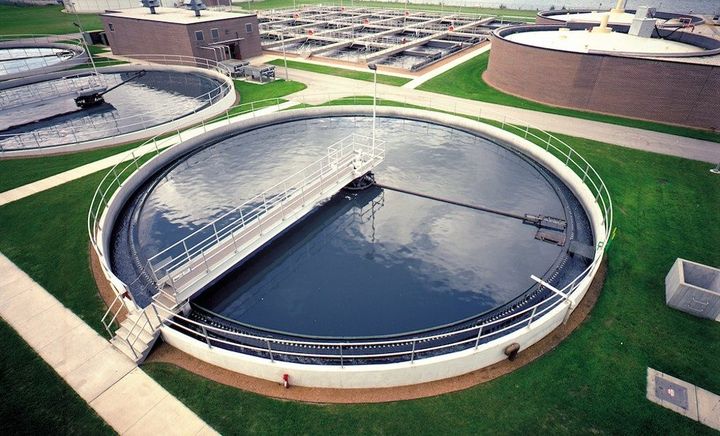
Wastewater enters large settling tanks where heavier particles sink to the bottom while lighter materials float to the surface for removal.
Secondary Treatment
Beneficial microorganisms break down dissolved organic matter through biological treatment processes, significantly improving water quality.
Tertiary Treatment
Advanced treatment methods remove remaining nutrients, fine particles, and microorganisms through filtration, chemical treatment, or membrane technologies before final discharge or water reuse.
Common Wastewater Treatment Methods
Different treatment technologies are selected based on water quality requirements and operational needs.
Common methods include:
- Activated sludge treatment
- Membrane filtration
- Biological treatment
- Chemical treatment
- Reverse osmosis
- Ultraviolet disinfection
- Sand filtration
- Aeration systems
Many treatment facilities combine several methods to achieve the desired water quality.
Applications Across Different Industries
Wastewater Treatment supports a wide range of industries and public infrastructure.
Municipal treatment plants process wastewater generated by residential communities and commercial buildings before releasing treated water into the environment.
Manufacturing facilities use treatment systems to manage wastewater generated during industrial production while helping protect nearby water resources.
Food and beverage processing facilities remove organic materials before wastewater enters municipal treatment networks.
Healthcare facilities, pharmaceutical manufacturers, mining operations, power generation plants, and agricultural businesses also depend on wastewater treatment technologies to manage water responsibly.
Benefits of Wastewater Treatment
Wastewater Treatment provides significant environmental, operational, and economic advantages.
One of its greatest benefits is protecting rivers, lakes, and groundwater from contamination. Cleaner water supports healthier ecosystems and improves overall environmental quality.
Treatment systems also encourage water conservation by allowing treated water to be reused for irrigation, industrial processes, landscaping, and other appropriate applications. This helps reduce demand for freshwater resources, particularly in regions experiencing water shortages.
Another important advantage is improved regulatory compliance. Well-designed treatment systems help organizations meet environmental standards while supporting responsible water management practices.
Challenges and Best Practices
Although wastewater treatment technology continues to improve, facilities still face operational challenges. Growing populations, changing industrial activities, emerging contaminants, and aging infrastructure all increase the demand for efficient treatment solutions.
Successful wastewater management depends on regular equipment inspections, preventive maintenance, continuous monitoring, operator training, and proper system upgrades. Adopting modern automation and digital monitoring technologies also helps improve plant performance and operational reliability.
Future Trends in Wastewater Treatment
The wastewater industry continues to adopt innovative technologies that improve treatment efficiency and resource recovery.
Artificial intelligence and smart sensors are helping operators monitor treatment performance in real time, while automation improves process control throughout treatment facilities. Membrane technologies continue advancing, providing higher filtration efficiency with lower energy consumption.
Water recycling, nutrient recovery, renewable energy generation from treatment by-products, and digital monitoring platforms are becoming increasingly important as communities seek more sustainable water management solutions.
Frequently Asked Questions
What is Wastewater Treatment?
Wastewater Treatment removes contaminants from used water through physical, biological, and chemical processes before safe discharge or reuse.
Where is wastewater treatment used?
It is widely used in municipalities, manufacturing plants, healthcare facilities, food processing industries, mining operations, power plants, and agricultural sectors.
Why is wastewater treatment important?
It protects water resources, improves environmental quality, supports public health, and promotes sustainable water management.
What technologies are commonly used?
Treatment plants often use biological treatment, filtration, membrane systems, aeration, ultraviolet disinfection, and chemical treatment processes.
How is wastewater treatment evolving?
Artificial intelligence, automation, advanced membranes, smart monitoring systems, water recycling, and energy recovery technologies are improving efficiency and sustainability.
Conclusion
Wastewater Treatment is a fundamental part of modern environmental management, helping communities and industries protect water resources while supporting sustainable development. Through multiple treatment stages and advanced technologies, contaminated water can be cleaned for safe discharge or appropriate reuse.
As innovation continues to transform the water industry, wastewater treatment systems are becoming smarter, more efficient, and better equipped to meet future environmental challenges. Understanding these processes highlights their essential role in protecting both people and the planet.