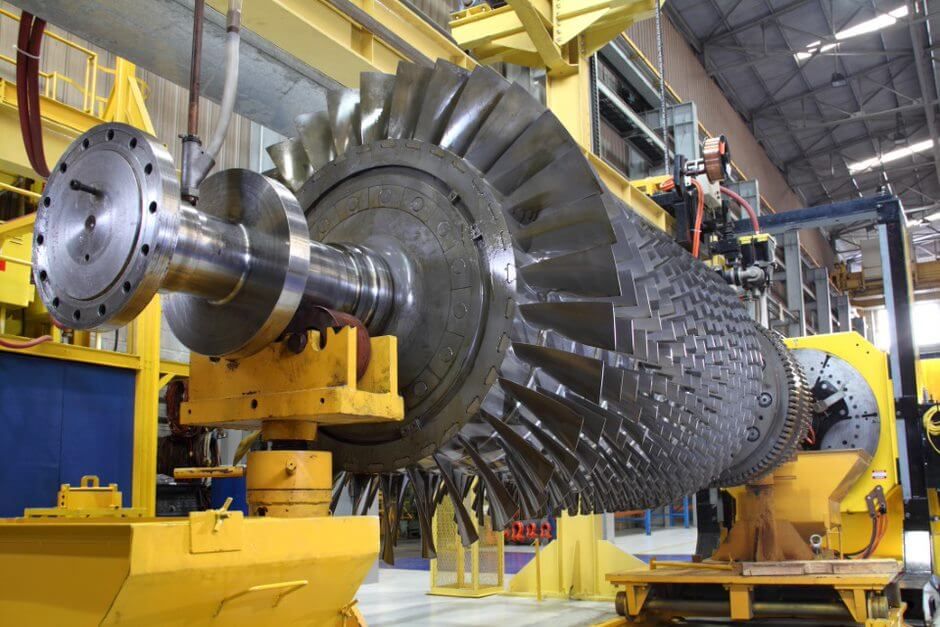
Turbine manufacturing involves the design, production, and assembly of turbines used in various applications, including power generation, aviation, and marine propulsion. Turbines convert fluid energy—such as wind, steam, or gas—into mechanical energy, which can then be used to generate electricity or propel vehicles.
The manufacturing process is complex and requires precision engineering, advanced materials, and stringent quality control. Components like blades, rotors, and casings must withstand extreme conditions, including high temperatures, pressures, and corrosive environments.
Significance of Turbine Manufacturing Today
Turbine manufacturing plays a crucial role in several industries:
-
Energy Production: Turbines are central to power plants, whether they harness wind, steam, or gas. They enable the efficient generation of electricity, supporting both renewable and conventional energy sources.
-
Transportation: In aviation and marine sectors, turbines power jet engines and ships, facilitating global travel and trade.
-
Industrial Applications: Turbines drive machinery in various industries, contributing to manufacturing processes and operational efficiency.
The importance of turbine manufacturing is underscored by its impact on energy security, economic development, and technological advancement.
Recent Developments in Turbine Manufacturing
In recent years, the turbine manufacturing industry has seen several notable trends:
-
Technological Advancements: Innovations in materials and design have led to more efficient and durable turbines. For instance, the development of high-temperature alloys and advanced cooling techniques has improved performance in gas turbines.
-
Shift Towards Renewable Energy: There's a growing emphasis on wind and hydroelectric turbines as part of the global transition to renewable energy sources. This shift is driven by environmental concerns and the need for sustainable energy solutions.
-
Supply Chain Challenges: The industry faces challenges related to the sourcing of raw materials and components, impacting production timelines and efficiency.
-
Regulatory Changes: Governments worldwide are implementing stricter regulations to ensure the safety, efficiency, and environmental compliance of turbines. Policies in several countries are now focusing on local sourcing and operational data management for wind turbine manufacturers.
Regulatory Landscape in Turbine Manufacturing
Turbine manufacturing is subject to various regulations aimed at ensuring safety, efficiency, and environmental protection. These regulations vary by country and application but generally include:
-
Safety Standards: Guidelines to ensure turbines operate safely under expected conditions, minimizing risks to personnel and equipment.
-
Environmental Compliance: Regulations to limit emissions and environmental impact, particularly for turbines used in power generation.
-
Quality Assurance: Standards to maintain the integrity and reliability of turbine components, often requiring certifications from recognized bodies.
Many countries now focus on enhancing domestic capabilities and data security in the turbine manufacturing sector, particularly in renewable energy applications.
Tools and Resources for Turbine Manufacturing
Several tools and resources are available to support turbine manufacturing:
-
Design Software: Advanced CAD and simulation tools aid in the design and testing of turbine components.
-
Material Suppliers: Companies specializing in high-performance materials provide the necessary resources for turbine production.
-
Certification Bodies: Organizations that offer testing and certification services to ensure compliance with industry standards.
-
Industry Associations: Groups that provide guidelines, best practices, and networking opportunities for professionals in the turbine manufacturing sector.
-
Government Agencies: Regulatory bodies that offer resources and support for manufacturers to navigate compliance requirements.
Frequently Asked Questions
1. What materials are commonly used in turbine manufacturing?
Turbines are typically made from high-strength materials such as titanium alloys, stainless steel, and composite materials. These materials offer the necessary durability and resistance to extreme conditions.
2. How are turbines tested for quality and performance?
Turbines undergo rigorous testing, including stress tests, vibration analysis, and thermal cycling, to ensure they meet safety and performance standards.
3. What is the lifespan of a turbine?
The lifespan of a turbine varies depending on its type and application. Wind turbines typically last between 20 to 25 years, while gas turbines may have a lifespan of 25 to 30 years with proper maintenance.
4. How does turbine manufacturing impact the environment?
While turbines themselves produce clean energy, their manufacturing can have environmental impacts, such as resource extraction and emissions. However, advancements in technology are reducing these impacts over time.
5. What are the career opportunities in turbine manufacturing?
The industry offers various career paths, including engineering, quality control, supply chain management, and research and development, catering to a range of skill sets and interests.
Conclusion
Turbine manufacturing is a vital industry that supports energy production, transportation, and industrial operations worldwide. As the demand for sustainable energy solutions grows, the industry continues to evolve, embracing technological innovations and adapting to regulatory changes. Understanding the complexities and advancements in turbine manufacturing provides insight into its critical role in shaping a sustainable future.