Understanding Pressure Washers: Advice, Suggestions, and Learning Resources for Smarter Use
Understanding pressure washers begins with recognizing how high-pressure water cleaning systems developed and why they are widely used today. A pressure washer is a machine designed to spray water at high pressure to remove dirt, dust, mud, mold, and debris from surfaces such as buildings, vehicles, sidewalks, and outdoor equipment. The concept emerged as industries searched for efficient ways to clean surfaces that were difficult to maintain using traditional tools like brushes and hoses.
Pressure washers work by forcing water through a narrow nozzle at high speed. This concentrated stream increases the water’s cleaning strength, allowing it to dislodge stubborn particles from surfaces. Over time, the technology expanded from industrial applications to household use, making it accessible for everyday cleaning tasks around homes and public spaces.
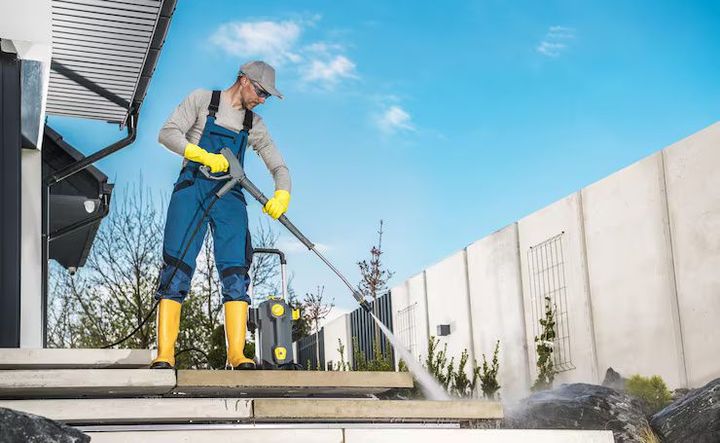
Many people first encounter pressure washers when cleaning driveways, patios, fences, or outdoor furniture. The equipment has also become common in agriculture, construction, and facility maintenance because it can clean large areas efficiently. Understanding pressure washers involves learning how the components function together, including the motor or engine, pump, hose, and nozzle.
Basic pressure washer knowledge helps people recognize when and how this cleaning method can be used safely. Without proper understanding, excessive pressure or incorrect nozzle selection may damage surfaces. For this reason, educational resources about pressure washers often focus on safe handling, suitable surfaces, and appropriate pressure levels.
Another important part of understanding pressure washers is knowing the difference between common types. Some models operate with electric motors while others use fuel-powered engines. Each design serves different environments and cleaning tasks, making it useful for readers to understand the characteristics of each option before using the equipment.
Importance
Pressure washers matter today because outdoor surfaces accumulate dust, algae, oil residue, and environmental pollutants over time. These materials can create slippery areas, reduce the appearance of buildings, and contribute to gradual surface deterioration. High-pressure water cleaning helps remove these contaminants effectively.
The topic also affects homeowners, property managers, farmers, and maintenance teams responsible for keeping outdoor spaces clean. Pressure washers help maintain driveways, parking areas, building exteriors, sidewalks, and equipment exposed to weather conditions.
Several practical challenges make understanding pressure washers important:
- Surface damage risk: Excessive pressure may damage wood, paint, or delicate materials if used incorrectly.
- Water management: Improper handling may lead to unnecessary water use or runoff issues.
- Safety considerations: High-pressure streams can cause injuries if directed toward skin or fragile objects.
- Equipment handling: Users must understand hoses, nozzles, and spray patterns to control cleaning intensity.
Pressure washers also play a role in routine maintenance for infrastructure and public spaces. Local municipalities often rely on high-pressure cleaning to maintain roads, bridges, parks, and public facilities.
Learning about pressure washers allows individuals to make informed decisions about cleaning methods. Instead of relying on trial and error, users can apply basic principles related to pressure levels, nozzle angles, and distance from the surface. This understanding improves efficiency and reduces the likelihood of accidental damage.
Another reason the topic remains relevant is the growing emphasis on environmental awareness. Cleaning methods that rely primarily on water pressure rather than harsh chemicals can reduce chemical runoff when used responsibly. As a result, pressure washing has become a widely discussed technique in environmental maintenance discussions.
Recent Updates
From 2024 to 2026, the general trend in pressure washer technology has focused on efficiency, quieter operation, and improved user safety. Manufacturers and equipment designers have been exploring ways to make pressure washers easier to handle while maintaining effective cleaning performance.
One noticeable development involves improvements in electric pressure washers. Electric models have become more compact and quieter compared with older engine-driven units. These machines are often used in residential environments where noise levels and ease of operation are important considerations.
Another update relates to adjustable pressure systems. Some modern pressure washers allow users to regulate water pressure more precisely, making it easier to clean delicate surfaces without causing damage. Adjustable systems help users adapt the equipment for multiple cleaning situations.
There is also growing interest in water-efficient designs. Some newer machines use pump designs that maintain cleaning strength while limiting unnecessary water flow. This trend aligns with broader sustainability discussions about responsible water use.
Digital monitoring features have also begun appearing in some advanced equipment. These systems may display pressure levels, maintenance reminders, or operational alerts to help users understand how the machine is functioning.
The overall trend suggests that pressure washer technology is gradually moving toward smarter, safer, and more adaptable systems. While the fundamental cleaning principle remains the same, design improvements continue to shape how people interact with these machines.
Laws or Policies
Pressure washers are influenced by environmental guidelines and safety regulations in many countries. These rules help ensure that high-pressure cleaning does not harm public infrastructure, water systems, or surrounding ecosystems.
In India, environmental oversight related to water discharge and chemical runoff is guided by agencies such as the Central Pollution Control Board. The board develops guidelines for wastewater handling and environmental protection, which may apply when large-scale cleaning activities involve detergents or industrial surfaces.
Local municipal authorities may also regulate outdoor cleaning activities in public areas. These rules can address issues such as wastewater drainage, noise levels, and the handling of contaminated runoff from surfaces like parking lots or industrial zones.
Workplace safety rules can also apply when pressure washers are used in construction or maintenance settings. Government organizations responsible for occupational safety often provide general safety guidance regarding protective equipment, training, and safe handling of machinery.
Important regulatory considerations often include:
- Environmental discharge rules for wastewater entering drainage systems
- Noise regulations for equipment used in residential neighborhoods
- Worker safety guidelines for operating high-pressure machinery
- Chemical handling rules when cleaning agents are used with pressure washers
Understanding these policies helps users operate pressure washers responsibly and avoid environmental or safety concerns. Regulations may vary depending on region, industry, and scale of operation.
Tools and Resources
Several educational tools and informational resources help people learn about pressure washers and responsible cleaning practices. These resources explain technical concepts, safety procedures, and surface compatibility.
Informational Guides and Knowledge Platforms
Many online knowledge platforms provide structured learning material about cleaning equipment and maintenance practices. These resources typically include diagrams, maintenance explanations, and troubleshooting guides.
Examples of commonly referenced knowledge platforms include:
- International Organization for Standardization guidelines related to machinery safety and equipment standards
- U.S. Environmental Protection Agency publications on surface cleaning and environmental runoff awareness
- Public safety guides provided by local government infrastructure departments
Educational Videos and Demonstrations
Instructional videos help explain spray patterns, nozzle angles, and safe operating distances. Visual demonstrations often show how pressure levels affect different surfaces such as wood, brick, and concrete.
These materials help users understand how cleaning intensity changes depending on nozzle design.
Maintenance and Equipment Checklists
Some learning platforms provide maintenance checklists for pressure washer care. These checklists usually include tasks such as:
- Inspecting hoses and connectors before operation
- Checking pump condition and water supply connections
- Monitoring nozzle wear or blockage
- Cleaning filters and removing debris
These simple routines help ensure consistent performance and reduce mechanical problems.
Common Pressure Washer Nozzle Types
The spray pattern created by the nozzle greatly affects cleaning intensity. Different nozzle angles distribute pressure differently across a surface.
| Nozzle Angle | Spray Pattern | Typical Use |
|---|---|---|
| 0° | Narrow concentrated stream | Heavy debris removal |
| 15° | Strong targeted spray | Concrete and hard surfaces |
| 25° | Medium-width spray | General outdoor cleaning |
| 40° | Wide gentle spray | Vehicles or delicate surfaces |
| Soap nozzle | Low-pressure spray | Applying cleaning solution |
Understanding nozzle types helps users choose appropriate pressure distribution for different surfaces.
FAQs
What is a pressure washer and how does it work?
A pressure washer is a machine that sprays water at high pressure to remove dirt, grime, algae, and debris from surfaces. The system uses a pump to increase water pressure and forces it through a narrow nozzle, creating a powerful cleaning stream.
What surfaces can be cleaned using pressure washers?
Pressure washers are commonly used on concrete, stone, metal, outdoor furniture, and building exteriors. Some surfaces like painted wood or soft materials require lower pressure settings and wider spray patterns to prevent damage.
Why is understanding pressure washers important before using them?
Understanding pressure washers helps users control pressure levels, nozzle angles, and cleaning distance. This knowledge reduces the risk of damaging surfaces and improves cleaning efficiency.
Are pressure washers safe for household use?
Pressure washers can be used safely when operated according to instructions and safety guidelines. Users should avoid directing high-pressure spray toward people, animals, electrical systems, or fragile surfaces.
What maintenance tasks help keep pressure washers functioning properly?
Basic maintenance tasks include checking hoses, cleaning filters, ensuring proper water supply, and inspecting nozzles for blockage or wear. Regular inspection helps maintain consistent performance.
Conclusion
Understanding pressure washers involves learning how high-pressure water cleaning systems work and how they are used safely across different environments. These machines have become widely used for maintaining outdoor surfaces and removing accumulated debris. Developments in equipment design continue to focus on efficiency, safety, and water management. Awareness of regulations, nozzle types, and operational practices helps users apply pressure washing techniques responsibly.