Understanding Smart Meter Technology and Data Monitoring
Energy systems are becoming more connected as utilities and consumers look for better ways to monitor usage, improve efficiency, and manage growing power demands.
Traditional metering systems once depended heavily on manual readings and delayed reporting, making real-time monitoring difficult.
This shift has increased the importance of smart meter technology in modern utility infrastructure. These systems do more than measure electricity or water consumption. What really matters is how they provide continuous data visibility, improve operational awareness, and support intelligent energy management.
As cities and industries adopt digital infrastructure, utility providers increasingly require systems capable of accurate monitoring, automated reporting, and faster response to usage patterns. Smart meters address these needs by combining sensors, communication systems, and data analytics into connected networks.
This smart meter technology guide explores how these systems work, what affects their performance, where challenges appear, and how smart metering supports modern energy and utility environments.
Understanding Smart Meter Technology
Smart meter technology refers to digital metering systems that automatically record and transmit utility usage data such as electricity, gas, or water consumption.
Traditional meters usually required manual inspection and periodic reporting. Smart meters, however, continuously communicate usage information through connected digital networks.
This matters because modern energy systems increasingly depend on real-time visibility instead of delayed monthly readings. The real difference appears when utility providers and users can monitor consumption patterns instantly and respond more efficiently to operational changes.
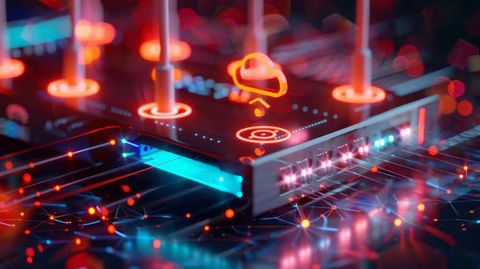
Technically, smart meter systems combine digital sensors, wireless communication modules, data processing systems, and analytics platforms into one connected infrastructure.
A practical example is residential electricity systems where smart meters automatically send energy usage data to utility providers without requiring manual meter collection.
How Smart Meter Systems Work
Smart meter systems operate through a structured monitoring and communication process.
The process begins when sensors measure utility usage such as electricity flow, water consumption, or gas activity. This stage matters because accurate measurement directly affects operational visibility and efficiency tracking.
The meter then processes the collected data digitally and transmits it through communication networks to centralized systems.
Utility providers analyze the information to monitor demand patterns, system performance, and consumption trends.
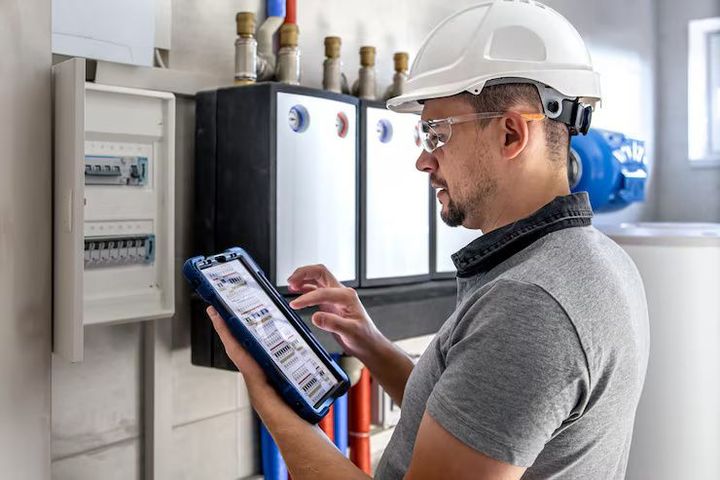
Finally, users and operators access usage insights through connected dashboards or monitoring platforms.
A practical example is smart grid systems detecting sudden energy demand increases and adjusting distribution systems more efficiently.
Key Features That Define Smart Meter Performance
The effectiveness of smart meter technology depends on several connected factors.
One major factor is real-time monitoring. Continuous visibility improves operational awareness and helps identify unusual consumption behavior quickly. What really matters is how effectively systems transform raw usage data into actionable insights.
Automated communication is another important component because it reduces manual reporting delays and improves operational efficiency.
Data accuracy also affects performance by ensuring reliable consumption tracking and analytics.
Scalability plays a major role as utility providers expand smart infrastructure across large populations and industrial systems.
The main smart meter performance factors include:
- Real-time monitoring for usage visibility
- Automated communication for faster reporting
- Data accuracy for reliable analysis
- Scalability for large infrastructure networks
Together, these elements determine how effectively smart meter systems perform in modern utility environments.
Benefits of Smart Meter Technology
Smart meter technology improves efficiency, monitoring visibility, and operational management.
One major advantage is accurate consumption tracking. Real-time data allows users and providers to understand usage patterns more clearly.
Another benefit is faster operational response. Utility providers can identify outages, irregular activity, or system imbalances more efficiently.
Energy efficiency awareness also improves because users can observe how consumption behavior changes over time.
Operational automation is another important advantage because digital communication reduces dependency on manual infrastructure processes.
A practical example is commercial buildings analyzing hourly electricity usage to improve energy management during peak operational periods.
Challenges and Limitations
Despite its advantages, smart meter technology also faces several challenges.
Privacy concerns remain one of the biggest issues because continuous monitoring creates large amounts of user consumption data.
Cybersecurity risks can also affect connected utility systems if communication networks are not properly protected.
Infrastructure modernization creates another challenge because older utility systems may require significant upgrades for smart meter integration.
Network reliability also affects performance, especially in remote areas with limited communication infrastructure.
A real-world example is utility providers balancing large-scale smart grid deployment while maintaining compatibility with legacy systems.
Smart Meter Technology Comparison: Where Differences Appear
Different smart meter systems focus on different operational priorities.
Residential smart meters
These prioritize household monitoring and automated billing visibility.
Industrial smart meters
These focus on large-scale consumption analysis and operational efficiency tracking.
Smart grid integrated meters
These support broader infrastructure coordination and demand-response systems.
The real difference appears when comparing communication capability, analytics depth, and scalability. Some systems prioritize consumer-level visibility, while others focus more on infrastructure optimization and energy distribution management.
In many cases, effectiveness depends on operational scale and network complexity.
Decision Guide: Evaluating Smart Meter Systems
Evaluating smart meter technology depends on several practical factors.
Infrastructure scale is one important consideration because larger systems require stronger communication and analytics capabilities.
Data visibility requirements also influence system selection. Some environments need detailed real-time monitoring, while others focus more on periodic analysis.
Integration flexibility affects operational efficiency because smart meters often connect with broader utility management platforms.
Security expectations also play a major role due to increasing concerns about connected infrastructure systems.
A practical example is industrial facilities selecting advanced smart meters capable of monitoring multiple operational zones simultaneously.
The real difference appears when monitoring accuracy, operational efficiency, and infrastructure scalability work together effectively.
Real-World Use Cases
Smart meter technology supports multiple industries and infrastructure systems.
Residential environments use smart meters for electricity and water monitoring.
Industrial facilities analyze operational energy usage patterns.
Utility providers manage smart grid systems and demand forecasting.
Commercial buildings monitor efficiency and resource optimization.
A clear example is smart city infrastructure using connected meters to improve energy distribution and monitor public utility performance more accurately.
Future Trends in Smart Meter Technology
The future of smart meter technology is moving toward deeper automation and intelligent infrastructure management.
AI-powered analytics are improving energy prediction and consumption analysis.
Smart grids are becoming more adaptive through connected utility monitoring systems.
Edge computing integration is reducing communication delays and improving local processing efficiency.
Renewable energy systems are also increasing demand for advanced metering capable of handling distributed energy generation environments.
What really matters is how future smart meter systems balance efficiency, data security, and infrastructure scalability in increasingly connected utility networks.
FAQ
1. What is smart meter technology?
It is a digital system that automatically measures and transmits utility usage data.
2. Why are smart meters important?
They improve monitoring accuracy, operational efficiency, and real-time visibility.
3. How do smart meters work?
They collect usage data digitally and transmit it through connected communication networks.
4. Which industries use smart meter systems?
Residential utilities, industrial facilities, commercial buildings, and smart grid systems commonly use them.
5. What affects smart meter performance?
Data accuracy, communication reliability, scalability, and cybersecurity all affect performance.
Conclusion
Smart meter technology is reshaping how utilities and infrastructure systems monitor energy and resource usage in connected environments. By combining digital measurement, automated communication, and real-time analytics, smart meters improve operational visibility and support more adaptive utility management.
The real challenge lies in balancing efficiency, scalability, and data security as infrastructure becomes increasingly connected.