UV Machine Benefits Explained: How They Work and Where They Are Used
UV machines have become an important part of many modern workplaces. From printing and manufacturing to healthcare and water treatment, these machines are used in a wide range of applications because of the unique properties of ultraviolet (UV) light.
As technology has developed, UV machines have become more efficient, easier to operate, and suitable for different environments. While many people have heard of UV technology, they may not fully understand how these machines work or why they are used in so many industries.
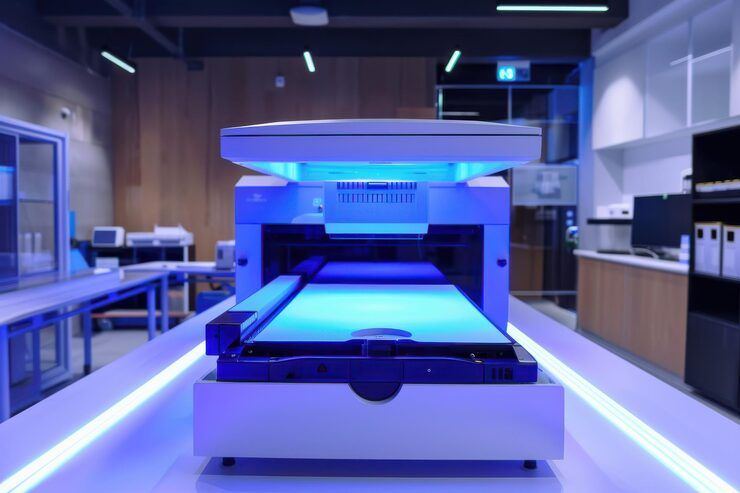
This guide explains the advantages of UV machines, their common applications, and the factors to consider before choosing one for a specific purpose.
What Is a UV Machine?
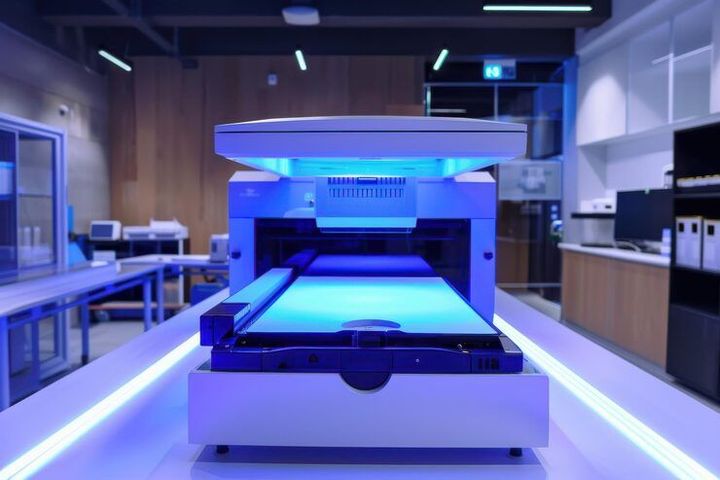
A UV machine is equipment that uses ultraviolet light to perform a particular task. Ultraviolet light is part of the electromagnetic spectrum and has a shorter wavelength than visible light.
Different UV machines are designed for different purposes. Some are used to cure inks and coatings, while others help disinfect surfaces, purify water, or inspect materials during manufacturing.
The exact function depends on the type of UV light being used and the industry where the machine operates.
How Does a UV Machine Work?
A UV machine produces ultraviolet light through specialized lamps or LED sources. When the light reaches certain materials or microorganisms, it creates a specific reaction.
For example:
- UV curing hardens inks, coatings, and adhesives within seconds.
- UV disinfection damages the DNA or RNA of microorganisms, reducing their ability to reproduce.
- UV inspection highlights details that are difficult to detect under normal lighting.
The technology varies depending on the application, but the basic principle remains the same: ultraviolet light triggers a controlled reaction.
Common Types of UV Machines
Several types of UV machines are available for different tasks.
UV Curing Machines
These machines are commonly used in printing, electronics, automotive manufacturing, and packaging. They quickly cure inks, coatings, and adhesives after application.
UV Disinfection Machines
Hospitals, laboratories, schools, and public facilities often use UV disinfection equipment to reduce microorganisms on surfaces and in enclosed spaces.
UV Water Treatment Systems
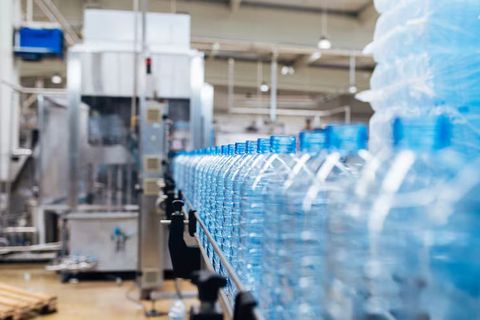
These systems use ultraviolet light to treat water by reducing bacteria, viruses, and other microorganisms without changing the water's taste or smell.
UV Inspection Equipment
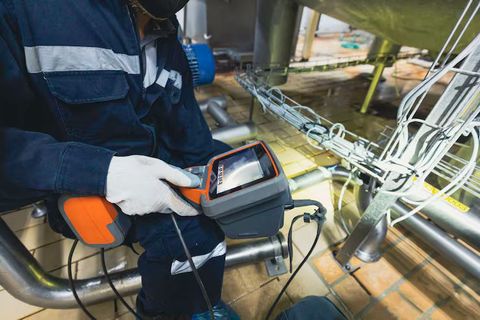
Manufacturers use UV inspection machines to identify cracks, leaks, markings, and quality issues that may not be visible under standard lighting.
Key Benefits of UV Machines
UV machines provide several practical advantages that explain their growing use across many industries.
Fast Processing
One noticeable advantage is speed. UV curing can harden materials almost immediately, reducing waiting time between production steps.
Faster processing often helps improve workflow while maintaining consistent results.
Improved Productivity
Shorter curing or treatment times allow equipment to complete more work within the same operating period.
This can help organizations improve production efficiency without making major changes to existing processes.
Consistent Results
UV technology provides controlled and repeatable performance when properly maintained.
Whether curing coatings or disinfecting surfaces, consistent exposure to UV light helps achieve uniform outcomes.
Lower Energy Consumption
Many modern UV LED machines use less energy than older lamp technologies.
Lower energy use may reduce electricity consumption while supporting more sustainable operations.
Reduced Heat Exposure
Traditional heating methods may expose materials to high temperatures.
UV curing often produces less heat, making it suitable for temperature-sensitive materials such as plastics, films, electronics, and specialty packaging.
Cleaner Production Processes
Some UV curing applications require fewer chemical drying methods.
This can help simplify production while reducing unwanted residues during manufacturing.
Compact Equipment Design
Many UV LED systems are designed with a compact footprint.
Their smaller size allows easier integration into production lines where available space is limited.
Industries That Use UV Machines
UV technology has expanded into many sectors because of its versatility.
Printing Industry
Commercial printing frequently uses UV curing for brochures, labels, packaging, business cards, and promotional materials.
Quick curing helps printed products move through production more efficiently.
Manufacturing
Factories use UV machines for coatings, adhesives, inspection, and quality control.
The technology supports precise manufacturing processes across different product categories.
Electronics
Electronic components often require carefully controlled curing processes.
UV machines help cure adhesives used during assembly without exposing sensitive parts to excessive heat.
Healthcare
Healthcare facilities use UV equipment to support infection-control practices by reducing microorganisms on selected surfaces and equipment.
These machines are generally used alongside established cleaning procedures rather than replacing them.
Water Treatment
UV water treatment systems help reduce microorganisms without adding chemicals directly into the water.
They are used in residential, commercial, and industrial water treatment applications.
Automotive Industry
Automotive manufacturers use UV curing for coatings, adhesives, interior components, and specialized production processes.
The fast curing process supports efficient assembly operations.
UV Lamp Technology vs. UV LED Technology
Modern UV machines typically use either traditional UV lamps or UV LED systems.
Traditional UV lamps have been widely used for many years and remain suitable for various industrial applications.
UV LED systems have become increasingly popular because they typically:
- Consume less energy
- Produce lower heat
- Reach full intensity quickly
- Require less maintenance
- Have longer operating life
The suitable choice depends on the intended application, production requirements, and equipment compatibility.
Safety Considerations
Although UV machines provide many practical advantages, safe operation is essential.
Important safety practices include:
- Wearing appropriate eye and skin protection when required.
- Following manufacturer operating instructions.
- Preventing unnecessary exposure to UV light.
- Performing routine equipment inspections.
- Replacing worn components according to maintenance schedules.
- Ensuring proper ventilation where recommended.
Training operators and following workplace safety procedures help reduce potential risks.
Maintenance Tips
Regular maintenance helps keep UV machines operating efficiently.
Helpful maintenance practices include:
- Cleaning lamps or LED modules regularly.
- Inspecting protective covers.
- Checking electrical connections.
- Monitoring light intensity when applicable.
- Replacing aging components.
- Keeping cooling systems clean.
- Recording scheduled inspections.
Routine maintenance can improve equipment reliability and support consistent performance.
Factors to Consider Before Choosing a UV Machine
Different applications require different types of UV equipment.
Before selecting a machine, consider:
- Intended application
- Material compatibility
- Required curing or treatment area
- Production volume
- Available installation space
- Energy efficiency
- Maintenance requirements
- Safety features
Reviewing these factors helps identify equipment that matches operational needs.
Future Developments in UV Technology
Research continues to improve UV machine performance.
Recent developments include more efficient LED technology, smarter monitoring systems, automated production integration, and improved energy management.
As industries continue to modernize, UV technology is expected to become an even more common part of manufacturing, healthcare, environmental treatment, and quality inspection.
Conclusion
UV machines have become valuable tools across many industries because they support fast processing, consistent performance, and efficient operation. Whether used for curing materials, treating water, reducing microorganisms, or inspecting manufactured products, they play an important role in modern industrial processes.
Understanding how UV machines work, where they are used, and the factors involved in selecting and maintaining them helps individuals and organizations make informed decisions. As technology continues to evolve, UV equipment is likely to remain an important part of many industrial and commercial applications.