Vehicle Assembly Line Automation: Learn About Automated Assembly Systems
Vehicle assembly line automation refers to the use of machines, robots, control systems, sensors, and software to perform or support repetitive manufacturing activities. It is an important part of modern automotive manufacturing because vehicles contain thousands of components that must be assembled in a planned sequence.
Traditional assembly lines depended heavily on manual movement, inspection, fastening, and material handling. Modern automated assembly systems combine human expertise with programmable equipment. The level of automation can range from individual automated stations to highly connected production lines.
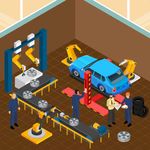
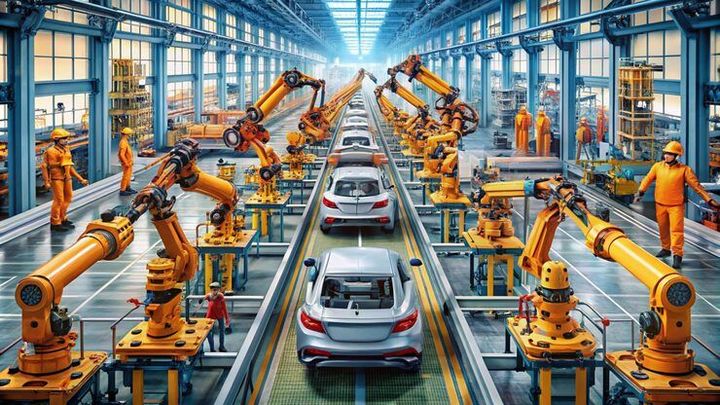
A typical automated vehicle assembly line may include:
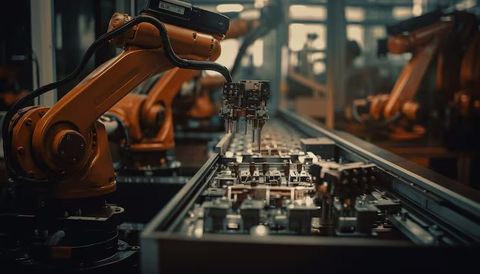
- Robotic arms for component handling and joining
- Conveyor systems for controlled vehicle movement
- Automated fastening equipment
- Vision systems for inspection
- Sensors for position and process monitoring
- Programmable logic controllers
- Human-machine interfaces
- Automated material-handling equipment
- Production monitoring software
- Data collection and quality systems
Automation does not mean that every manufacturing activity is performed without people. Workers are still important for supervision, maintenance, programming, quality decisions, process improvement, and tasks that require judgment or flexibility.
The main purpose is to create a coordinated production environment where each operation follows defined specifications and timing.
Why Vehicle Assembly Automation Matters Today
The automotive industry is becoming more complex. Manufacturers are producing vehicles with advanced electronics, battery systems, lightweight materials, software-controlled features, and increasingly varied configurations.
This creates a need for flexible manufacturing systems.
Automated assembly can help manufacturers address several common production challenges.
Improved Process Consistency
Automated equipment can repeat programmed movements with controlled parameters. For example, a fastening system can monitor tightening conditions and identify whether a fastening operation meets its programmed requirements.
This type of process control can support consistent assembly quality.
Better Production Monitoring
Modern automated lines generate information about machine status, cycle times, errors, inspections, and production stages.
Manufacturing teams can use this information to identify recurring process problems and understand where interruptions occur.
Workplace Safety
Some assembly activities involve heavy components, repetitive movements, elevated temperatures, chemicals, or other workplace hazards. Automated equipment can be used to perform selected tasks in controlled environments.
Workers can then focus on monitoring, inspection, maintenance, programming, and other activities that require human decision-making.
Flexible Manufacturing
Vehicle manufacturers may need to produce different models, configurations, or powertrain types on related production equipment.
Programmable automation allows selected processes to be adjusted through software, tooling changes, sensors, and production instructions.
This flexibility has become especially important as manufacturers respond to electric vehicles, hybrid vehicles, and changing vehicle designs.
Main Technologies Used in Automated Vehicle Assembly
Vehicle assembly line automation combines several technologies rather than relying on one machine.
Industrial Robots
Robots are commonly used for repetitive activities such as material handling, joining, painting, sealing, and component positioning.
Robotic systems can operate according to programmed paths and process parameters. Their application depends on the required accuracy, payload, speed, tooling, and workplace conditions.
Conveyor and Transfer Systems
Conveyors move vehicle bodies, components, and assemblies between production stations.
Modern systems can use sensors and control logic to coordinate movement between different stages. Some production environments use programmable transfer systems that allow different production sequences.
Machine Vision
Vision systems use cameras and image-processing software to inspect components and assembly conditions.
Possible applications include:
- Component presence verification
- Position checking
- Surface inspection
- Label and code recognition
- Assembly confirmation
- Dimensional verification
Vision technology can support quality control, although inspection results still need to be managed according to the accuracy and limitations of the system.
Sensors and Industrial Controls
Sensors provide information about position, pressure, temperature, force, speed, and other process conditions.
Programmable logic controllers process inputs and control equipment according to programmed logic. Human-machine interfaces allow operators and technicians to monitor equipment and interact with production controls.
Data and Manufacturing Software
Connected manufacturing systems can collect production information from machines and stations.
Common functions include:
- Equipment monitoring
- Production tracking
- Quality records
- Maintenance alerts
- Process analysis
- Energy monitoring
- Traceability
These systems form part of the broader Industrial Internet of Things and smart manufacturing environment.
Recent Trends in Vehicle Assembly Automation
The automotive manufacturing sector has continued moving toward connected, flexible, and data-driven production.
Electric Vehicle Manufacturing
The growth of electric vehicles has changed assembly requirements. Battery packs, electric motors, power electronics, and high-voltage systems require different production processes from conventional internal-combustion powertrains.
Automation is increasingly being adapted for battery-module handling, cell processing, pack assembly, electrical testing, and controlled joining processes.
Artificial Intelligence and Machine Vision
AI-based inspection and analytics are becoming more relevant in manufacturing. Advanced systems can analyze large amounts of production data and assist with identifying unusual patterns.
However, AI results still require appropriate validation, particularly where quality or safety decisions are involved.
Digital Twins
Digital twins create digital representations of equipment, production processes, or manufacturing environments.
They can be used for process planning, simulation, equipment evaluation, and production optimization before physical changes are introduced.
Human-Robot Collaboration
Collaborative robots are being explored for selected applications where humans and robotic equipment work within the same production environment.
The actual suitability of collaborative operation depends on risk assessment, machine design, tooling, task requirements, and applicable safety standards.
Greater Energy Awareness
Manufacturers are also paying more attention to energy consumption in automated production.
Monitoring electricity use by equipment and production areas can help identify energy-intensive processes and support more informed manufacturing decisions.
Laws, Standards, and Workplace Policies
Vehicle assembly automation is affected by several categories of regulations and technical standards. The exact requirements depend on the country, workplace, machine type, and production activity.
Workplace safety rules generally require employers and manufacturers to identify hazards associated with machinery, electrical systems, moving equipment, robotics, and maintenance activities.
Important areas commonly include:
- Machine guarding
- Emergency stopping systems
- Electrical safety
- Lockout and energy isolation procedures
- Robot safety
- Workplace risk assessment
- Operator training
- Maintenance procedures
- Personal protective equipment
- Fire and emergency planning
International machinery and robot safety standards can also provide technical guidance for automated manufacturing systems.
In the European Union, machinery-related requirements are governed by a structured regulatory framework, with the newer Machinery Regulation scheduled to replace the older Machinery Directive from January 20, 2027. This transition is relevant to manufacturers and organizations working with machinery placed on the EU market.
In India, industrial workplaces are also subject to occupational safety requirements, including the framework established under the Occupational Safety, Health and Working Conditions Code, 2020, alongside applicable rules and implementation requirements.
Because regulations can change and requirements differ by application, manufacturers should evaluate the specific legal framework applicable to their facility and equipment.
Tools and Resources for Assembly Automation
Several general tools can help engineers, technicians, students, and manufacturing planners understand automated assembly systems.
Production Planning Tools
Production planning templates can help document:
- Assembly sequences
- Station activities
- Cycle times
- Material flow
- Equipment requirements
- Inspection points
Simulation Software
Manufacturing simulation tools can model robotic movements, conveyor layouts, workstation arrangements, and production sequences before physical implementation.
Maintenance Tools
Digital maintenance records can track inspection schedules, equipment conditions, recurring faults, spare components, and maintenance activities.
Quality Tools
Common quality methods include:
- Process checklists
- Control charts
- Root-cause analysis
- Failure analysis
- Inspection records
- Process capability studies
Learning Resources
People beginning to study automotive automation can explore technical documentation, industrial safety manuals, robotics fundamentals, PLC programming materials, manufacturing engineering textbooks, and machinery standards.
Frequently Asked Questions
What is vehicle assembly line automation?
Vehicle assembly line automation uses robots, machines, sensors, controls, software, and material-handling equipment to perform or support manufacturing and assembly activities.
What tasks can robots perform on vehicle assembly lines?
Robots can perform activities such as material handling, joining, fastening, sealing, painting, component positioning, and selected inspection tasks, depending on the production process.
Does automation completely replace human workers?
No. Automated production still requires people for supervision, programming, maintenance, quality management, engineering, troubleshooting, safety assessment, and process improvement.
How does automation support vehicle quality?
Automation can provide repeatable movements, controlled process parameters, automated inspection, and production data. These functions can help detect deviations and maintain defined production requirements.
Is vehicle assembly automation suitable for electric vehicles?
Yes. Automated systems can support several EV manufacturing activities, including battery assembly, electric motor production, component handling, inspection, and electrical testing. The equipment must be designed around the specific process and safety requirements.
Conclusion
Vehicle assembly line automation is an important part of modern automotive manufacturing. It combines robotics, sensors, industrial controls, machine vision, conveyors, software, and data systems to coordinate complex production activities.