Car Battery Replacement Guide: Signs, Types and Maintenance Tips
A car battery is an essential part of a vehicle's electrical system. It provides the power needed to start the engine and supports electronic components such as lights, dashboard displays, central locking, and infotainment systems. Without a properly functioning battery, a vehicle may struggle to start or experience electrical problems.
Car battery replacement involves removing a battery that can no longer perform reliably and installing a compatible replacement. Although batteries are designed to operate for several years, their performance gradually declines because of age, temperature changes, repeated charging cycles, and normal use.
Modern vehicles depend on batteries for more than engine starting. Electronic control units, safety features, sensors, and driver assistance systems may also rely on a stable electrical supply. Understanding battery types, warning signs, and maintenance practices can help drivers make informed decisions.
How a Car Battery Works
Most conventional vehicles use a rechargeable 12-volt battery. When the driver starts the engine, the battery supplies electrical energy to the starter motor. Once the engine runs, the alternator generally provides electricity and replenishes the battery's charge.
The battery also helps stabilize the vehicle's electrical system when demand changes. In vehicles with the engine switched off, it can power certain electronic features for limited periods.
A battery gradually loses its ability to hold a charge as its internal components age. This can happen even when the vehicle is driven regularly. Recognizing this process helps drivers distinguish ordinary battery aging from other electrical faults.
Why Car Battery Replacement Matters
A reliable battery supports everyday driving, vehicle safety, and the operation of electronic equipment. A weak battery may cause starting difficulties at inconvenient times and can sometimes create problems that resemble faults in other vehicle systems.
Common Problems Caused by a Weak Battery
Drivers may experience several symptoms as battery performance declines.
Slow engine cranking: The starter turns the engine more slowly than usual.
Clicking sounds: The vehicle may produce repeated clicks when the ignition is activated.
Dim lights: Headlights or interior lights may appear weaker, especially when starting.
Dashboard warnings: Battery or charging-system warning lights may appear.
Electrical interruptions: Electronic displays, locks, or accessories may behave inconsistently.
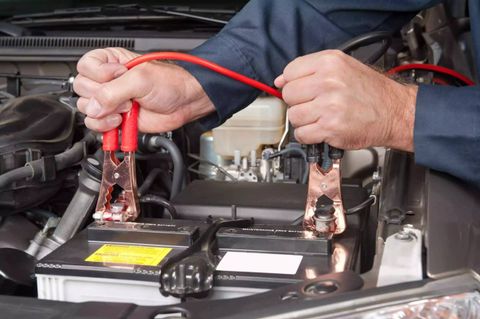
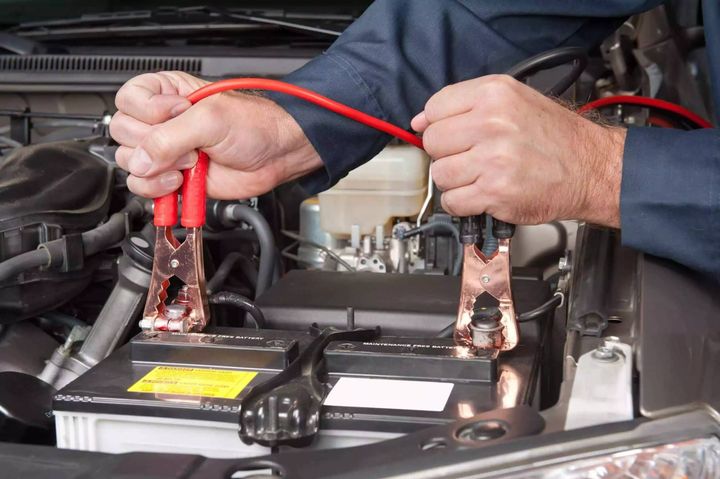
Repeated starting difficulties: The engine may start after charging or jump-starting but fail again later.
These symptoms do not always mean the battery needs replacement. A faulty alternator, damaged wiring, corroded terminals, or a defective starter can produce similar problems. Testing the battery and charging system helps identify the actual cause.
Who Needs to Pay Attention to Battery Health?
Battery maintenance matters to almost every vehicle owner, but some driving habits and conditions increase the need for regular checks.
Drivers who frequently make short trips may not give the alternator enough time to replenish the battery. Vehicles that remain parked for extended periods may gradually lose charge. Heavy electrical use, extreme temperatures, and repeated deep discharging can also shorten battery life.
In hot climates, including many parts of India, high temperatures can accelerate battery aging. During colder weather, a battery may have greater difficulty delivering the current required to start an engine.
Typical Car Battery Lifespan
Battery life depends on its chemistry, quality, operating conditions, maintenance, and charging system. The following figures are general estimates rather than guaranteed replacement intervals.
| Battery category | Common lifespan range | Important consideration |
|---|---|---|
| Conventional flooded lead-acid | Around 3–5 years | Requires suitable charging and terminal checks |
| Maintenance-free lead-acid | Around 3–5 years | Still needs periodic condition testing |
| AGM battery | Around 4–6 years | Requires compatible charging and vehicle specifications |
| EFB battery | Around 3–5 years | Often used in vehicles with basic start-stop systems |
| Lithium-based auxiliary battery | Varies by design | Must follow manufacturer-specific requirements |
Actual battery life can fall outside these ranges. A battery should be assessed according to its condition rather than age alone.
Recent Updates and Automotive Battery Trends
Vehicle battery technology continues to change as manufacturers introduce more electronic features, start-stop systems, and electrified powertrains. These developments affect how batteries are selected, tested, replaced, and recycled.
More Electronic Features in Modern Vehicles
Vehicles increasingly use cameras, sensors, digital displays, navigation systems, and driver assistance technologies. These systems can place additional demands on the electrical system, particularly when a vehicle is parked or repeatedly restarted.
As a result, battery selection must account for the manufacturer's specified capacity, dimensions, terminal layout, and starting performance. Installing a battery based only on its physical size may lead to compatibility problems.
Growth of Start-Stop Battery Technology
Start-stop systems switch off the engine during certain stationary periods and restart it when needed. This reduces unnecessary idling under suitable driving conditions, but it can increase the number of starting cycles a battery must handle.
Enhanced Flooded Batteries (EFB) and Absorbent Glass Mat (AGM) batteries are commonly used for these applications. The correct type depends on the vehicle's original equipment and electrical design.
Electric Vehicles and Auxiliary Batteries
Battery-electric vehicles use high-voltage battery packs for propulsion and may also contain a separate low-voltage battery for control systems and accessories. Hybrid vehicles can have both a high-voltage traction battery and a low-voltage auxiliary battery.
These batteries serve different purposes and require different handling procedures. A conventional 12-volt battery replacement should not be confused with work on a high-voltage traction battery.
Battery Recycling and Responsible Disposal
Lead-acid batteries contain materials that can be recovered, but improper disposal can contaminate soil and water. Recycling systems help recover lead, plastic, and other materials while reducing environmental risks.
In India, battery waste management continues to be governed by specific environmental rules. Drivers should use authorized collection or recycling channels and avoid placing used batteries in ordinary household waste.
Laws and Policies Affecting Car Batteries
Battery replacement is influenced by vehicle safety requirements, environmental regulations, and manufacturer instructions. The exact rules depend on the country and the type of vehicle.
Battery Waste Management in India
India's Battery Waste Management Rules, 2022, established an extended producer responsibility framework for batteries. The rules cover different battery categories and establish responsibilities for producers and other participants in the battery supply chain.
The framework aims to improve collection, recycling, and environmentally responsible management of used batteries. Amendments and related implementation requirements may affect how businesses handle battery waste.
For individual drivers, the practical approach is straightforward: do not discard an old automotive battery with regular rubbish. Return it through an appropriate collection point or an authorized recycling channel.
Vehicle Safety and Installation Requirements
Battery installation should follow the vehicle manufacturer's instructions. The battery must have suitable electrical specifications, dimensions, mounting arrangements, and terminal positions.
Incorrect installation may cause short circuits, electrical damage, acid leakage, or battery movement during driving. Some vehicles also require battery registration, monitoring-system resets, or electronic configuration after replacement.
Vehicles equipped with start-stop technology or battery management systems may be especially sensitive to the battery type installed.
Safety Rules for Handling Batteries
Lead-acid batteries contain corrosive electrolyte and can release flammable hydrogen gas under certain conditions. Incorrect handling may result in chemical burns, sparks, or explosions.
Important precautions include:
Switch off the vehicle and follow the manufacturer's shutdown procedure.
Wear appropriate eye protection and gloves when handling a conventional battery.
Keep flames, cigarettes, and sparks away from the battery.
Avoid placing metal tools across the terminals.
Follow the specified terminal disconnection and reconnection sequence.
Never open a sealed battery or attempt to repair a damaged battery case.
Seek qualified assistance if the battery is swollen, leaking, unusually hot, or damaged.
Hybrid and electric vehicles may contain high-voltage components. Do not attempt high-voltage battery work without the required training and equipment.
Tools and Resources for Battery Selection and Maintenance
The right information and testing equipment can help drivers assess battery condition and identify the correct replacement specifications.
Battery Testing Tools
A digital multimeter can measure battery voltage, while a dedicated battery tester can assess additional characteristics such as available starting power and internal resistance. A professional load or conductance test may provide a clearer picture of battery health than a voltage reading alone.
A fully charged conventional 12-volt lead-acid battery often measures approximately 12.6–12.8 volts at rest, although the exact reading depends on battery type, temperature, and recent charging activity. Voltage alone cannot establish whether a battery is healthy under load.
Battery Specification Checklist
Before selecting a replacement, check the following details in the owner's manual or original battery specifications.
Battery chemistry and technology, such as flooded, EFB, or AGM.
Nominal voltage and required capacity.
Cold-cranking performance or the specified starting-current rating.
Physical dimensions and mounting arrangement.
Terminal position and connection type.
Compatibility with the vehicle's charging system and start-stop features.
Requirements for battery registration or electronic resets.
Using the vehicle identification details and the manufacturer's approved specifications can reduce the risk of selecting an incompatible battery.
Maintenance Schedule
A simple maintenance routine can help detect battery problems before they cause starting difficulties.
| Frequency | Recommended action |
|---|---|
| Monthly | Observe starting performance and check for warning lights |
| Every 3–6 months | Inspect accessible terminals and the battery casing |
| Before long journeys | Check battery condition if the battery is aging or has shown symptoms |
| During routine vehicle maintenance | Test battery health and charging-system performance |
| After repeated discharge | Identify the cause before relying on another recharge |
Maintenance-free batteries still require inspection and testing. They should not be opened simply to check the electrolyte.
Helpful Information Resources
Useful resources include the vehicle owner's manual, battery specification charts, battery condition reports, charging-system diagnostic guides, and official environmental guidance on battery recycling.
A maintenance log can record the installation date, test results, warning signs, and charging-system checks. This makes it easier to identify gradual changes in performance and plan a replacement when necessary.
Frequently Asked Questions
How Do I Know When My Car Battery Needs Replacement?
Common warning signs include slow engine cranking, repeated starting problems, a battery that fails a proper health test, and visible swelling or leakage. A mechanic can test the battery and charging system to determine whether replacement is necessary.
How Long Does a Car Battery Usually Last?
Many conventional car batteries last approximately three to five years. Heat, driving patterns, charging performance, and maintenance can shorten or extend this period. Regular testing is more reliable than following a fixed age limit.
Can I Replace a Car Battery Myself?
Some conventional batteries can be replaced by drivers who understand the correct procedure and have suitable equipment. However, modern vehicles may require memory preservation, battery registration, or electronic system resets. Follow the owner's manual and seek qualified assistance when necessary.
Can a Car Battery Be Recharged Instead of Replaced?
Yes, a discharged battery may recover when charged with a compatible charger. However, recharging will not restore a battery that has reached the end of its useful life or developed internal damage. Repeated discharge should be investigated to identify the underlying cause.
Is It Safe to Use a Different Battery Type?
Not necessarily. AGM, EFB, conventional lead-acid, and lithium-based batteries have different operating characteristics. Use the type and specifications approved for the vehicle. An incompatible battery may not charge correctly or may interfere with vehicle systems.
Conclusion
Car battery replacement is an important part of vehicle maintenance because the battery supports engine starting and many electrical functions. Recognizing warning signs, understanding battery types, and checking battery condition can help drivers avoid unexpected starting problems.