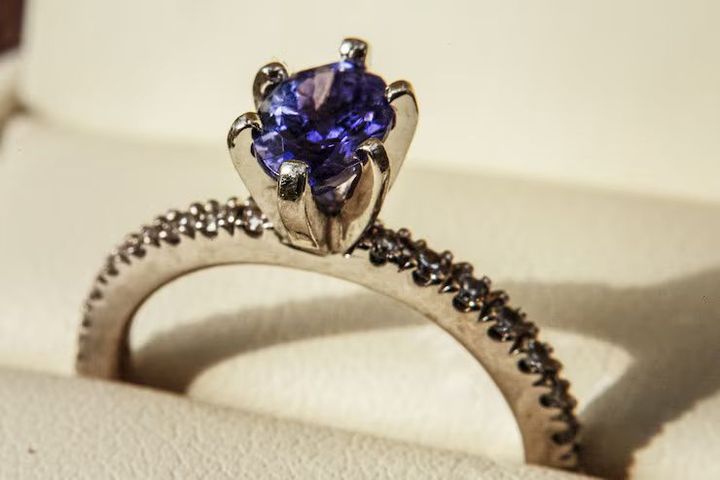
The term “cocktail ring” became popular during the 1920s, particularly during an era known for social gatherings and formal parties. Jewelry designers began creating oversized rings with colorful gemstones and elaborate settings that stood out in evening attire. Unlike engagement rings or wedding bands, these rings were designed primarily as statement pieces.
Vintage cocktail rings often reflect the artistic and cultural design movements of their time. Each era introduced unique styles, materials, and craftsmanship techniques that continue to influence modern jewelry design.
Historical Design Styles
Art Deco Period (1920–1939)
The Art Deco period emphasized geometric shapes and symmetrical designs. Jewelry from this era often featured bold contrasts between gemstones and metals. These designs reflected the architectural and artistic trends of the time.
Retro Period (1940–1950s)
Retro-style cocktail rings featured larger stones and dramatic settings. Curved designs became more prominent, reflecting a shift toward bold and expressive aesthetics. These rings often made strong visual statements.
Mid-Century Styles (1950–1970s)
Mid-century designs introduced floral patterns and colorful gemstones. Intricate metalwork became a defining characteristic of this era. These styles reflected a more playful and decorative approach to jewelry design.
Common Materials and Gemstones
Vintage cocktail rings are known for their use of vibrant and diverse gemstones. These stones were often paired with high-quality metal settings to enhance their visual appeal.
Common materials include:
-
Gemstones such as sapphires, emeralds, rubies, amethysts, aquamarines, and diamonds
-
Metal settings including gold, platinum, and silver alloys
These combinations contributed to the uniqueness and long-lasting appeal of vintage rings.
Why Vintage Cocktail Rings Remain Relevant Today
Vintage cocktail rings continue to attract attention due to their artistic and historical significance. Their relevance extends beyond decoration and connects to broader themes such as sustainability, education, and design inspiration.
Connection to Design Heritage
Vintage jewelry showcases craftsmanship techniques used before modern mass production. Hand-crafted settings and detailed engravings reflect traditional artistry. These features make each piece unique.
Interest in Sustainable Fashion
Many consumers today are more conscious of environmental and ethical concerns. Vintage jewelry supports sustainability by reusing existing pieces instead of creating new ones. This reduces the need for additional mining and production.
Educational Value for Gemstone Enthusiasts
Vintage rings often feature rare gemstone cuts and settings. These include styles like old European cuts and step-cut stones. Such features help students and collectors understand historical gemstone techniques.
Influence on Contemporary Jewelry Design
Modern designers frequently draw inspiration from vintage styles. Oversized stones, colorful combinations, and decorative metalwork continue to appear in current collections. This shows the lasting impact of vintage designs.
Use in Cultural and Fashion Research
Museums and historians study vintage jewelry to understand past fashion trends. These pieces provide insights into cultural influences and material availability. They serve as valuable historical artifacts.
Recent Developments and Trends
Interest in vintage jewelry has grown significantly between 2024 and early 2026. This growth is driven by both technological advancements and evolving fashion trends.
Growing Interest in Archival Jewelry Design
Jewelry exhibitions and publications in 2025 highlighted historical collections. These showcases emphasized craftsmanship and artistic value. They also increased public awareness of vintage jewelry.
Digital Documentation of Vintage Jewelry
Many institutions have expanded digital archives of jewelry collections. Online databases allow users to explore designs and gemstone settings. High-resolution documentation supports research and education.
Rising Awareness of Gemstone Transparency
Discussions about ethical sourcing have increased in recent years. Collectors are now more interested in the origins of gemstones. This includes studying historical mining practices.
Revival of Statement Jewelry in Fashion
Fashion trends in 2025 emphasized bold accessories. Vintage-inspired cocktail rings reappeared in runway collections. This reflects a renewed interest in expressive jewelry.
Advances in Gemstone Identification Technology
New tools have improved gemstone analysis techniques. Technologies such as spectroscopy allow non-destructive testing. This helps gemologists study vintage pieces more accurately.
Laws, Regulations, and Jewelry Standards
Vintage cocktail rings are subject to various regulations related to metals and gemstones. These rules aim to ensure transparency, safety, and preservation.
Hallmarking Regulations
Many countries require hallmark stamps on precious metals. These marks indicate the purity of materials used in jewelry. They also help identify the origin or time period of a piece.
Common Hallmark Indicators
| Metal Type | Common Hallmark Indicators |
|---|
| Gold | 14K, 18K, 750 |
| Silver | 925, Sterling |
| Platinum | 950 |
Consumer Protection Regulations
Regulations ensure that gemstones are accurately described. Proper labeling helps buyers understand what they are purchasing. Certifications also support transparency.
Import and Export Regulations
Certain vintage jewelry pieces may be subject to trade restrictions. These rules often apply to culturally significant items. They help protect heritage artifacts.
Environmental Regulations
Modern environmental laws affect how jewelry is restored and handled. These regulations focus on safe material processing. They also address hazardous substances.
Cultural Heritage Protections
Some antique jewelry is protected under cultural heritage laws. Museums and institutions may classify rare pieces as historical artifacts. This ensures their preservation.
Tools and Resources for Learning
Various tools and platforms help individuals study vintage cocktail rings. These resources provide valuable insights into gemstone identification and design history.
Common Learning Resources
-
Gemological databases
-
Jewelry design archives
-
Digital museum collections
-
Hallmark identification guides
-
Gemstone grading references
-
Jewelry history publications
Example Tools and Their Uses
| Tool Type | Purpose |
|---|
| Gemstone identification apps | Help recognize different gemstones |
| Hallmark reference databases | Interpret metal purity stamps |
| Jewelry design software | Demonstrate ring structures and settings |
| Digital museum archives | Display historical jewelry collections |
Students and researchers often explore books, museum catalogs, and research papers. These materials explain gemstone characteristics and historical design trends.
Frequently Asked Questions
What defines a vintage cocktail ring?
A vintage cocktail ring is a statement ring produced several decades ago. It typically features large gemstones and decorative settings. Most examples date back to the early to mid-20th century.
Which gemstones are commonly used?
Common gemstones include sapphires, emeralds, rubies, amethysts, aquamarines, topaz, and diamonds. Colored stones were especially popular in mid-century designs.
How is the age of a vintage ring estimated?
Experts examine hallmarks, gemstone cuts, and design styles. These elements help determine the approximate production period. This process requires specialized knowledge.
Why are vintage rings often larger?
Cocktail rings were designed to stand out in social settings. Larger stones and elaborate designs made them visually striking. This boldness defined their purpose.
What is the difference between vintage and antique jewelry?
Antique jewelry is typically over 100 years old. Vintage jewelry usually refers to pieces that are 20 to 100 years old. This distinction helps classify historical items.
Jewelry Design Characteristics Across Time
Vintage cocktail rings showcase evolving design trends across decades. These styles reflect broader cultural and artistic influences.
| Era | Design Features |
|---|
| 1920s–1930s | Geometric shapes, symmetrical settings |
| 1940s | Bold structures, large stones |
| 1950s–1960s | Floral motifs, colorful gemstones |
| 1970s | Organic forms, textured metalwork |
These characteristics highlight how jewelry design evolved alongside fashion and culture.
Conclusion
Vintage cocktail rings represent a blend of craftsmanship, design history, and gemstone artistry. Originating in the early 20th century, they were created as bold statement pieces for social occasions. Their distinctive features continue to attract attention today.
Modern interest in vintage jewelry is supported by digital archives, gemstone analysis technologies, and sustainable fashion trends. Regulations related to hallmarking and cultural preservation also play an important role. These factors contribute to the ongoing relevance of vintage cocktail rings.
Studying these rings provides valuable insights into historical design trends and craftsmanship techniques. They remain an important part of jewelry history and cultural expression.