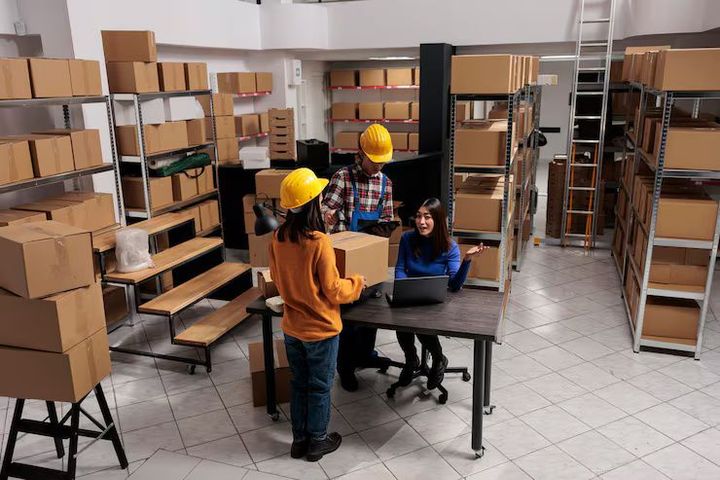
Warehouse Workstation Furniture: Complete Guide to Efficient Industrial Workspaces
Warehouse workstation furniture refers to specialized furniture designed to support tasks performed in industrial environments such as warehouses, manufacturing plants, logistics centers, and distribution facilities. These workstations are built to improve organization, efficiency, and safety in spaces where employees assemble products, package goods, inspect materials, or manage inventory.
Warehouse workstation furniture is specifically designed to support demanding industrial environments. Unlike standard office furniture, it uses durable materials such as steel frames and reinforced surfaces to handle heavy tools and continuous use.
These workstations play a key role in maintaining organized and efficient workflows across warehouses and manufacturing facilities. They are essential for supporting daily operations and improving overall productivity.
Common Applications
Warehouse workstations are widely used in different operational activities, including:
- Assembly line operations
- Inventory management
- Packaging and labeling
- Quality control inspections
- Electronics manufacturing
Typical Types of Workstation Furniture
Common furniture components found in warehouse environments include:
- Industrial workbenches
- Adjustable height workstations
- Storage cabinets and shelving units
- Tool organization panels
- Anti-fatigue workstation mats
- Mobile workstation carts
Why Warehouse Workstation Furniture Matters Today
Efficient workstation design directly impacts productivity, safety, and operational accuracy. In modern supply chains, warehouses must handle large volumes of goods under tight timelines.
Poor workstation layouts can lead to delays, worker fatigue, and workflow disruptions. Properly designed furniture helps reduce these issues and improves operational performance.
Key Operational Challenges Addressed
Well-designed workstation furniture helps overcome:
- Limited space in distribution centers
- Repetitive physical tasks
- Complex assembly or packaging processes
- Disorganized tool access
- Worker safety concerns
Importance of Ergonomics
Ergonomic workstation design is essential for worker health and efficiency. Employees working long hours may experience fatigue or strain if workstations are not adjustable.
Adjustable furniture helps maintain proper posture and reduces the risk of injuries. This leads to improved comfort and sustained productivity.
Industries That Rely on Workstations
Warehouse workstation furniture is commonly used in:
- E-commerce fulfillment centers
- Automotive manufacturing facilities
- Electronics assembly plants
- Pharmaceutical distribution hubs
- Food packaging operations
Common Workstation Types
| Workstation Type | Primary Use | Key Features |
|---|---|---|
| Assembly Workbench | Product assembly | Durable surface, tool storage |
| Packing Station | Packaging | Box storage, labeling space |
| Inspection Station | Quality control | Lighting, measurement tools |
| Mobile Workstation | Flexible tasks | Wheels, portable storage |
These workstation setups support consistent productivity and accurate order processing.
Recent Updates and Industry Trends
Warehouse workstation furniture has evolved with advancements in technology and logistics. Recent trends in 2024 and 2025 highlight the shift toward smarter and more flexible workspaces.
Ergonomic Design Improvements
Modern workstations now include features that improve worker comfort and reduce physical strain:
- Height-adjustable surfaces
- Sit-stand workstation options
- Modular accessories
- Adjustable lighting systems
Integration with Warehouse Technology
Workstations are increasingly integrated with digital tools to improve efficiency. These include mounting systems for:
- Tablets
- Barcode scanners
- Computer monitors
- Label printers
Smart Warehouse Infrastructure
New workstation designs can connect with automation systems and robotics. Some include sensors that monitor worker activity and optimize task distribution.
Sustainability Considerations
Environmental awareness has influenced workstation manufacturing. Many designs now use recyclable materials and modular components that extend product lifespan.
Regulations and Workplace Safety Policies
Warehouse workstation furniture must comply with safety standards and workplace regulations. These rules aim to ensure safe working conditions and reduce injury risks.
Key Regulatory Areas
- Workplace ergonomics
- Equipment stability and durability
- Employee safety training
- Industrial facility design standards
Common Standards and Guidelines
Organizations often follow international standards such as:
- ISO 45001 (occupational health and safety)
- ISO 9001 (quality management)
- EN ergonomic workplace design standards
These standards help ensure consistent safety and operational efficiency across industries.
Tools and Resources for Planning Workstations
Businesses use various digital tools to design and optimize warehouse workstations. These tools help improve layout planning and workflow efficiency.
Common Planning Tools
- Warehouse layout planning software
- Ergonomic assessment calculators
- CAD design tools
- Workflow simulation software
- Inventory management dashboards
Key Planning Factors
| Planning Factor | Description |
|---|---|
| Workspace Layout | Equipment arrangement and movement paths |
| Ergonomic Design | Worker comfort and posture support |
| Equipment Access | Placement of tools and materials |
| Workflow Efficiency | Reduction of unnecessary movement |
| Safety Measures | Clear walkways and stable furniture |
Evaluation Criteria
Organizations assess workstation performance using:
- Worker comfort
- Tool accessibility
- Lighting quality
- Productivity metrics
- Safety compliance
Frequently Asked Questions
What is warehouse workstation furniture?
Warehouse workstation furniture includes specialized workbenches, storage units, and modular setups designed for industrial environments.
Why is ergonomic design important?
Ergonomic design reduces fatigue, strain, and injury risks. Adjustable workstations help workers maintain comfortable positions during long shifts.
What materials are commonly used?
Common materials include steel frames, reinforced wood panels, laminated surfaces, and durable composites designed for heavy-duty use.
How do workstations improve efficiency?
They organize tools and materials for easy access, reduce unnecessary movement, and support faster task completion.
Can workstations support automation?
Yes, modern workstations integrate with technologies such as barcode scanners, digital displays, and inventory systems.
Practical Insights for Efficient Warehouse Workspaces
Warehouse workstations perform best when integrated into the overall facility layout. Proper planning ensures smooth workflows and improved productivity.
Important Design Considerations
- Place workstations near relevant storage areas
- Maintain clear walking paths
- Ensure proper lighting
- Provide accessible tool storage
- Allow flexible configurations
Productivity Comparison
| Workspace Design Type | Efficiency Level |
|---|---|
| Unorganized Layout | Low |
| Basic Workstation Setup | Moderate |
| Ergonomic Modular Workstations | High |
Well-designed workstations contribute to structured, safe, and efficient warehouse environments.
Conclusion
Warehouse workstation furniture is a critical component of modern industrial operations. It supports key activities such as assembly, packaging, inspection, and inventory management.
As logistics systems grow and e-commerce expands, efficient workstation design becomes increasingly important. Modern trends such as ergonomic improvements, technology integration, and modular layouts continue to shape warehouse environments.
By understanding workstation types, ergonomic principles, and industry trends, organizations can create efficient, safe, and well-organized workspaces that support reliable supply chain operations.