Waste management machines are designed to process, sort, reduce, or recycle different kinds of waste, making disposal more efficient and environmentally responsible. These machines exist because traditional methods of handling waste, such as open dumping or uncontrolled landfills, have proven harmful to both human health and the environment.
Over time, as urban populations have grown and industries have expanded, the volume of waste has increased significantly. Machines like shredders, compactors, balers, and recycling sorters were developed to improve waste handling efficiency. Their purpose is not only to manage waste but also to recover resources that can be reused, reducing strain on natural ecosystems.
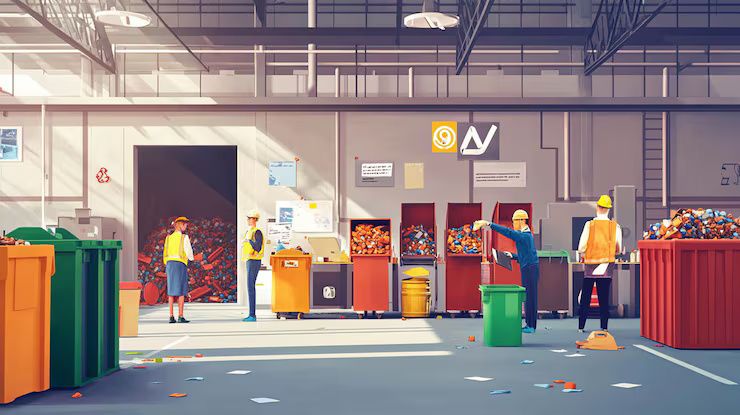
Importance of waste management machines in today’s world
The use of waste management machines is more critical now than ever before. With rising concerns about climate change, pollution, and urban sustainability, these machines provide structured solutions for processing waste in a way that reduces environmental impact.
Key reasons why waste management machines are important include:
-
Environmental protection – They help minimize land, water, and air pollution by handling waste in a controlled manner.
-
Resource recovery – Machines that recycle metals, plastics, and paper promote circular economy practices.
-
Space efficiency – Compactors and balers reduce the volume of waste, making storage and transport more manageable.
-
Public health – Proper waste handling reduces risks of disease spread and contamination.
-
Industrial efficiency – Manufacturing plants use waste management systems to reduce downtime and improve workplace safety.
The people most affected by these machines include city administrations, waste management organizations, industries generating large waste volumes, and communities striving for cleaner surroundings.
Recent updates in waste management technology
Waste management machines have seen rapid innovations in the past few years, reflecting global shifts toward sustainable practices.
-
AI-powered sorting (2023–2024): Machines now use sensors, robotics, and artificial intelligence to identify and sort materials more accurately than traditional methods.
-
Plastic recycling advancements: Technologies such as chemical recycling have gained momentum, enabling recovery of materials previously considered non-recyclable.
-
Energy recovery integration: Waste-to-energy plants now use machines capable of processing municipal solid waste into usable electricity or heat.
-
IoT-enabled monitoring: Sensors in compactors and balers track performance, reducing downtime and optimizing maintenance schedules.
-
Automation in hazardous waste handling: Machines with advanced safety features are increasingly used to handle medical and electronic waste.
| Innovation | Year Introduced | Benefit |
|---|---|---|
| AI-based sorting lines | 2023 | Higher accuracy in material recovery |
| Chemical recycling tech | 2023–2024 | Processes complex plastics |
| IoT-enabled compactors | 2024 | Predictive maintenance and tracking |
| Waste-to-energy units | 2023 | Converts waste into clean power |
Laws and policies shaping waste management
Waste management machines are influenced by government policies, environmental laws, and international regulations. These rules ensure that waste handling aligns with sustainability and public safety goals.
-
Recycling mandates: Many countries enforce minimum recycling rates, requiring industries to use machinery that meets efficiency standards.
-
Extended Producer Responsibility (EPR): Policies demand that manufacturers take responsibility for the waste generated from their products, boosting the need for recycling equipment.
-
Hazardous waste regulations: Strict handling and disposal guidelines affect machines dealing with e-waste, chemicals, and medical refuse.
-
Emission standards: Machines operating in waste-to-energy plants must comply with air quality regulations to limit carbon and particulate emissions.
-
Global agreements: The Basel Convention regulates the international movement of hazardous waste, influencing how machines are designed for compliance.
For example, in 2023, the European Union updated its Circular Economy Action Plan, introducing tighter recycling requirements. Similarly, several Asian nations introduced stricter guidelines on electronic waste recycling, creating greater demand for specialized equipment.
Tools and resources for waste management
A variety of resources support the effective use of waste management machines, ranging from digital tools to government portals.
-
Waste calculators: Online platforms help estimate the volume and type of waste generated.
-
IoT-based dashboards: Provide real-time monitoring of machine performance and waste levels.
-
Recycling databases: Offer information on recyclable materials, sorting guidelines, and machine-compatible processing methods.
-
Training platforms: Provide educational content for operators and waste management professionals.
-
Government portals: Publish compliance standards, recycling rules, and best practices.
| Resource Type | Example Use Case | Key Benefit |
|---|---|---|
| Waste Calculators | Estimating municipal waste volumes | Improves planning and logistics |
| IoT Dashboards | Monitoring compactor operations | Reduces downtime |
| Recycling Databases | Identifying recyclable materials | Supports higher recovery rates |
| Training Modules | Operator safety and machine handling | Improves efficiency and safety |
| Government Guidelines | Compliance with environmental policies | Ensures legal adherence |
FAQs about waste management machines
What types of waste management machines are commonly used?
Common machines include shredders, compactors, balers, waste sorters, incinerators, and recycling equipment. Each type serves a different purpose in the waste handling process.
Are waste management machines environmentally friendly?
Yes, many machines are designed to reduce landfill use, recover resources, and minimize pollution. However, their effectiveness depends on proper operation and compliance with environmental guidelines.
How do AI-based waste sorters work?
They use cameras, sensors, and robotic arms powered by artificial intelligence to identify and separate different materials, such as plastics, metals, and glass, with high accuracy.
Do waste management machines require a lot of maintenance?
Maintenance depends on the type of machine. IoT-enabled equipment can predict maintenance needs, reducing unexpected breakdowns.
Which industries benefit most from waste management machines?
Industries such as manufacturing, healthcare, food processing, and construction benefit greatly, as they produce large amounts of waste requiring efficient handling.
Conclusion
Waste management machines are an integral part of modern sustainability strategies, helping communities and industries address the challenges of rising waste volumes. By combining efficiency, technology, and compliance with environmental regulations, these machines play a central role in reducing pollution, recovering valuable resources, and ensuring public health.
With innovations in automation, AI, and energy recovery, waste management is no longer limited to disposal but is increasingly focused on creating a circular economy. By understanding the basics and exploring available tools, individuals and organizations can contribute to a cleaner and more sustainable future.