Waterfront Properties Guide: Benefits, Challenges, and Key Factors
Waterfront properties are homes located next to natural or human-made bodies of water, such as oceans, lakes, rivers, canals, or ponds. Many people are drawn to these homes because of their views, outdoor access, and connection with nature. At the same time, owning property near water comes with unique responsibilities and considerations that differ from those of inland homes. Whether someone is exploring waterfront living for a future move, a vacation home, or long-term planning, understanding the different types of waterfront properties and the factors that affect ownership can help with informed decisions.
This guide explains the key features, common challenges, maintenance needs, and legal considerations associated with waterfront homes.
What Are Waterfront Properties?
Waterfront properties are residential homes, cottages, villas, apartments, or cabins situated directly beside a body of water. In most cases, the property has immediate access to the shoreline or includes water-facing views.
These homes can be found in various settings, including:
- Coastal beachfront areas
- Lakeside communities
- Riverfront neighborhoods
- Canal developments
- Reservoir and pond locations
Each setting provides a different living experience depending on the climate, surrounding environment, and local regulations.
Common Types of Waterfront Properties
Waterfront homes vary in style and location. Understanding these categories helps explain the differences in maintenance, accessibility, and environmental conditions.
Beachfront Homes
Beachfront homes are located along the ocean or sea. They often provide direct beach access and wide views of the shoreline. These homes may experience strong winds, salt exposure, and changing weather patterns.
Lakefront Homes
Lakefront properties are found beside natural or artificial lakes. They often provide calm surroundings and recreational opportunities such as fishing, kayaking, or swimming.
Riverfront Homes
Riverfront homes are positioned next to rivers or streams. Water levels may change throughout the year, making seasonal planning and flood awareness important.
Canal Properties
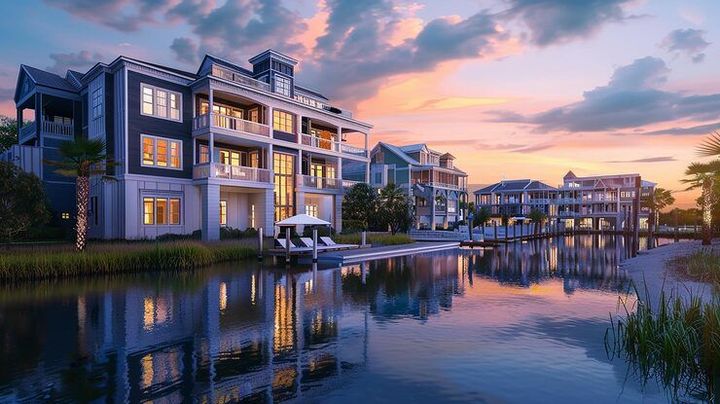
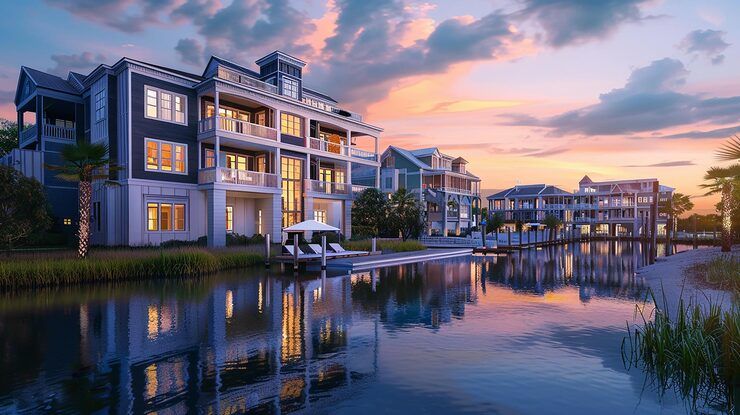
Canal homes are commonly found in planned waterfront communities. Many include private docks that allow access to larger waterways through connected canal systems.
Pond or Reservoir Properties
Some homes overlook ponds or reservoirs. These properties usually provide peaceful scenery while requiring different environmental considerations than larger bodies of water.
Why Waterfront Properties Attract Interest
Many people appreciate waterfront homes because they combine residential living with access to outdoor environments.
Some commonly valued features include:
- Scenic water views
- Natural surroundings
- Outdoor recreation opportunities
- Fresh air and open landscapes
- Privacy in many locations
- Space for boating or fishing where permitted
These qualities often contribute to a lifestyle focused on nature and outdoor activities.
Factors to Consider Before Choosing Waterfront Properties
A waterfront location offers many advantages, but it also requires careful evaluation.
Flood Risk
One of the first considerations is flood exposure. Some waterfront areas experience seasonal flooding, heavy rainfall, or storm-related water level changes.
Checking flood maps, historical weather patterns, and local building requirements helps identify potential risks.
Shoreline Stability
Water movement gradually changes shorelines through erosion. Some locations experience only minor changes, while others require protective measures to maintain stability.
Understanding shoreline conditions can help owners plan for future maintenance.
Property Access
Some waterfront homes have private roads, bridges, or shared access points. Road conditions may also change during severe weather.
Reviewing year-round accessibility is an important part of evaluating any waterfront location.
Environmental Regulations
Local authorities often establish rules regarding shoreline protection, docks, landscaping, and construction near water.
These regulations help preserve natural ecosystems while reducing environmental impact.
Maintenance Needs for Waterfront Homes
Homes located near water are exposed to different environmental conditions than inland properties.
Regular maintenance may include:
- Inspecting roofs after storms
- Checking windows and doors for moisture
- Monitoring decks and outdoor structures
- Cleaning drainage systems
- Managing vegetation around the shoreline
- Protecting exterior materials from humidity and salt exposure
Routine inspections can help identify small issues before they become larger maintenance projects.
Weather and Climate Considerations
Weather has a greater influence on waterfront homes because of their direct exposure to open environments.
Depending on the location, owners may experience:
- Strong coastal winds
- Heavy rainfall
- Salt air
- High humidity
- Ice movement in colder regions
- Seasonal flooding
Understanding local weather patterns helps with planning maintenance throughout the year.
Wildlife Around Waterfront Properties
Living near water often means sharing the environment with local wildlife.
Depending on the region, residents may encounter:
- Water birds
- Fish
- Turtles
- Ducks
- Frogs
- Small mammals
- Insects common to wetlands
Maintaining natural habitats while following local environmental guidelines helps support healthy ecosystems.
Recreational Activities
Many waterfront locations provide opportunities for outdoor recreation.
Common activities include:
- Swimming
- Canoeing
- Kayaking
- Paddleboarding
- Fishing
- Birdwatching
- Photography
- Walking along the shoreline
Available activities depend on local rules, water conditions, and seasonal weather.
Safety Around Waterfront Homes
Waterfront living also involves additional safety planning.
Important safety measures include:
- Installing secure fencing where appropriate
- Supervising children near water
- Wearing life jackets during water activities
- Monitoring weather forecasts before boating
- Keeping emergency equipment accessible
- Learning local evacuation procedures if storms occur
Simple precautions help reduce risks associated with water environments.
Legal Considerations
Waterfront ownership often includes legal responsibilities that differ from inland properties.
Important topics may include:
Water Rights
Some locations regulate how adjacent water can be used for recreation, docks, irrigation, or other activities.
Shoreline Boundaries
Property boundaries near water are not always straightforward. Surveys help identify ownership lines accurately.
Building Restrictions
Construction near shorelines may require permits or compliance with environmental regulations designed to protect surrounding habitats.
Reviewing these requirements before making changes helps avoid future complications.
Environmental Responsibility
Healthy waterfront ecosystems depend on responsible property management.
Helpful practices include:
- Limiting shoreline disturbance
- Protecting native vegetation
- Preventing pollution from entering the water
- Managing rainwater runoff
- Following local conservation guidelines
Small actions can contribute to healthier lakes, rivers, and coastal environments over time.
Questions to Ask When Exploring Waterfront Properties
Before making a long-term decision, it can be helpful to gather detailed information about the location.
Some useful questions include:
- Has the area experienced flooding?
- Are there shoreline maintenance requirements?
- What environmental regulations apply?
- How does weather affect the property?
- Are there seasonal water level changes?
- Is public or private water access available?
- What maintenance tasks are common throughout the year?
Clear answers to these questions help create realistic expectations.
Is Waterfront Living Right for Everyone?
Waterfront homes appeal to many different lifestyles, but they are not identical in every location. Climate, geography, environmental regulations, and maintenance needs all influence the ownership experience.
Some people enjoy the peaceful surroundings and outdoor recreation, while others may prefer inland neighborhoods with fewer environmental responsibilities. Understanding both the advantages and practical considerations helps individuals evaluate whether a waterfront location matches their long-term needs.
Conclusion
Waterfront properties combine residential living with direct access to lakes, rivers, oceans, canals, and other waterways. They provide scenic surroundings, recreational opportunities, and a close connection with nature. At the same time, these homes require attention to maintenance, weather conditions, environmental regulations, shoreline protection, and safety planning.
Learning about these factors before choosing a waterfront property supports informed decision-making and helps prepare for the responsibilities that come with living near water. Careful research, regular maintenance, and respect for local ecosystems contribute to a positive and sustainable waterfront living experience.