Wave Soldering Machines Overview: Types, Uses, Applications & Insights
Wave soldering machines are industrial systems used in electronics manufacturing to solder components onto printed circuit boards (PCBs). The process involves passing a PCB over a controlled wave of molten solder, allowing multiple solder joints to form simultaneously. This technique was developed to improve efficiency, consistency, and precision compared to manual soldering methods.
In modern electronics production, where thousands of components must be assembled quickly and accurately, wave soldering plays a key role. It is especially useful for through-hole components, which require strong and durable connections. The process typically includes stages such as flux application, preheating, soldering, and cooling.
The need for wave soldering machines arises from the growing demand for reliable electronic devices. From consumer gadgets to industrial equipment, consistent soldering quality ensures proper functionality and long-term performance.
Importance – Why Wave Soldering Matters Today
Wave soldering machines are essential in high-volume electronics manufacturing. They are widely used by industries such as:
- Consumer electronics manufacturing
- Automotive electronics production
- Telecommunications equipment assembly
- Aerospace and defense systems
- Medical device manufacturing
These machines help solve several key challenges:
- Consistency: Automated soldering ensures uniform joints across all boards
- Efficiency: High-speed processing reduces production time
- Quality Control: Controlled parameters minimize defects such as cold joints or bridging
- Scalability: Suitable for mass production environments
As electronic devices become more complex and compact, maintaining strong and reliable connections becomes critical. Wave soldering supports this by delivering repeatable and stable results, which is vital for safety-critical applications like automotive systems and healthcare equipment.
Additionally, industries focusing on digital transformation and automation rely heavily on efficient PCB assembly processes. This makes wave soldering machines a core part of smart manufacturing systems.
Types of Wave Soldering Machines and Their Uses
Different types of wave soldering machines are designed to meet specific production needs. Each type varies in complexity, automation level, and application.
| Type of Machine | Description | Common Use |
|---|---|---|
| Single Wave Soldering | Uses one wave of solder | Basic PCB assembly |
| Dual Wave Soldering | Combines turbulent and laminar waves | Complex boards with mixed components |
| Selective Wave Soldering | Targets specific areas of PCB | Sensitive or mixed technology boards |
| Lead-Free Wave Soldering | Uses environmentally safe solder | Compliance-focused industries |
Single wave systems are simpler and suitable for standard applications.
Dual wave systems provide better coverage and are widely used in modern manufacturing.
Selective systems allow precise soldering where needed, reducing heat exposure.
Lead-free systems are designed to meet environmental standards and reduce hazardous materials.
Recent Updates – Trends and Developments
Over the past year (2025–2026), several trends have influenced wave soldering technology:
- Increased adoption of lead-free soldering: Driven by environmental regulations and sustainability goals
- Integration with smart manufacturing systems: Machines now include sensors and data analytics for real-time monitoring
- Energy-efficient designs: New systems reduce power consumption and heat loss
- Improved flux control technologies: Enhances solder quality and reduces residue
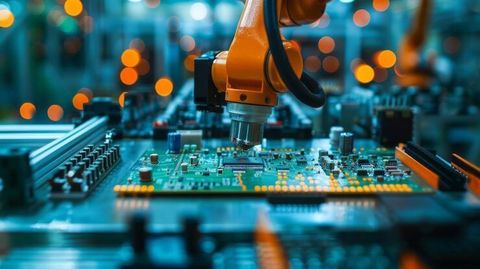
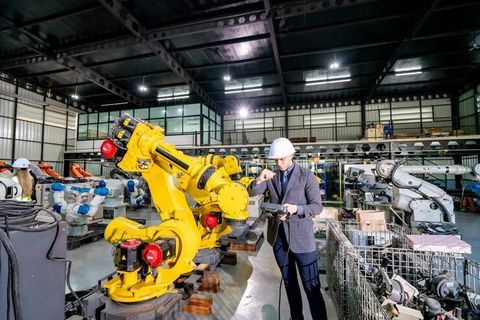
- Automation and robotics integration: Reduces human intervention and increases precision
In 2025, many manufacturers introduced advanced control software that allows operators to monitor temperature, wave height, and conveyor speed digitally. This supports predictive maintenance and reduces downtime.
Another notable development is the growing use of Industry 4.0 principles, where machines are connected through networks to optimize production workflows.
Laws or Policies – Regulatory Impact
Wave soldering machines are influenced by various environmental and safety regulations, particularly in countries with strong manufacturing sectors.
Key regulatory frameworks include:
- RoHS (Restriction of Hazardous Substances): Limits the use of lead and other harmful materials in electronics
- WEEE (Waste Electrical and Electronic Equipment): Focuses on recycling and disposal of electronic waste
- ISO standards (such as ISO 9001): Ensure quality management in manufacturing processes
In India, electronics manufacturing is guided by government initiatives such as:
- Production Linked Incentive (PLI) schemes for electronics
- Environmental compliance regulations under pollution control boards
- Safety standards for industrial machinery
These policies encourage manufacturers to adopt safer, cleaner, and more efficient soldering technologies. Lead-free wave soldering machines, for example, are widely used to comply with environmental norms.
Tools and Resources – Supporting Technologies
Several tools and resources help improve the performance and understanding of wave soldering processes:
Software Tools
- PCB design software for layout optimization
- Process simulation tools for thermal profiling
- Data monitoring dashboards for machine performance
Measurement and Testing Tools
- Thermal profilers to track temperature across PCBs
- Solder joint inspection systems (AOI – Automated Optical Inspection)
- Flux density measurement tools
Online Resources
- Technical documentation and manufacturing guides
- Industry forums and knowledge platforms
- Training modules for electronics assembly
Templates and Checklists
- Process setup checklists
- Maintenance schedules
- Quality inspection templates
These resources help engineers and operators maintain consistent quality and optimize production efficiency.
Industry Applications – Where Wave Soldering is Used
Wave soldering machines are used across multiple industries due to their ability to handle large-scale PCB assembly.
| Industry | Application Example |
|---|---|
| Consumer Electronics | Smartphones, televisions, appliances |
| Automotive | Engine control units, sensors |
| Telecommunications | Network routers, communication boards |
| Medical Devices | Monitoring systems, diagnostic equipment |
| Aerospace | Control systems, navigation electronics |
Each industry requires high reliability and precision. For example, automotive electronics must withstand extreme conditions, while medical devices require strict quality standards.
FAQs – Common Questions Answered
What is the main purpose of wave soldering machines?
Wave soldering machines are used to create reliable solder joints on PCBs efficiently, especially for through-hole components.
How is wave soldering different from reflow soldering?
Wave soldering uses molten solder waves, while reflow soldering melts solder paste using controlled heating. Each is suited for different component types.
Is wave soldering suitable for modern electronics?
Yes, especially for boards with through-hole components or mixed technology designs.
What are common defects in wave soldering?
Common issues include solder bridges, cold joints, and insufficient wetting, often caused by incorrect temperature or flux application.
Why is lead-free soldering important?
Lead-free soldering reduces environmental and health risks and complies with global regulations.
Conclusion
Wave soldering machines remain a critical part of electronics manufacturing, offering efficient and consistent soldering solutions for a wide range of applications. As technology advances, these machines are becoming smarter, more energy-efficient, and environmentally compliant.
Understanding the types, uses, and industry applications of wave soldering helps manufacturers maintain quality and meet modern production demands. With increasing emphasis on automation, sustainability, and precision, wave soldering continues to evolve as a reliable and essential process in the electronics industry.