Weaving Looms Insights: Improving Fabric Quality and Production Efficiency
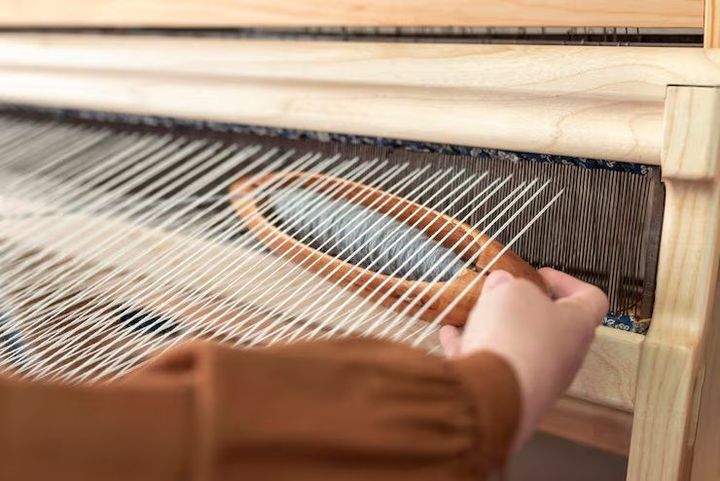
Weaving looms are machines used to interlace two sets of yarns to create woven fabrics. One set of yarns, known as the warp, runs lengthwise, while the weft runs across the fabric. This process has been used for thousands of years and remains a core part of textile production worldwide.
Today, weaving loom manufacturers develop equipment capable of producing fabrics for clothing, home furnishings, automotive interiors, technical textiles, and industrial materials. Modern industrial weaving machines are significantly different from traditional hand-operated looms, incorporating electronic controls, sensors, and automation features.
As global demand for textiles has increased, automatic weaving looms have become an important part of manufacturing facilities. These machines help maintain consistency and support large-scale fabric production while reducing manual intervention.
Evolution of Weaving Technology
Early weaving relied entirely on manual labor. Craftspeople operated simple wooden looms to create fabrics for local communities. The Industrial Revolution introduced mechanized weaving equipment, allowing larger volumes of fabric to be produced.
Over time, innovations such as shuttleless systems, computerized controls, and advanced monitoring tools transformed the industry. Today, air jet loom manufacturers and other equipment developers focus on improving efficiency, fabric quality, and operational reliability.
Types of Modern Weaving Looms
Several types of weaving equipment are used across the textile industry:
- Air jet looms use compressed air to insert the weft yarn.
- Rapier looms use mechanical carriers to move yarn across the warp.
- Projectile looms use small projectiles to transport the weft.
- Water jet looms use water streams for specific synthetic yarn applications.
- Specialized technical looms produce industrial and engineered textiles.
Each design serves particular production requirements and fabric characteristics.
Importance
Supporting Everyday Products
Many products people use daily originate from woven fabrics. Clothing, bedsheets, curtains, upholstery, safety belts, and industrial fabrics all depend on weaving technology.
Industrial weaving machines play an important role in producing these materials efficiently and consistently. Without modern weaving equipment, meeting global textile demand would be significantly more challenging.
Economic Significance
The textile sector contributes to manufacturing activity in many countries. Weaving facilities often form a critical part of regional industrial networks, connecting yarn producers, fabric manufacturers, dyeing facilities, and garment producers.
Textile weaving equipment suppliers support these operations by providing machinery designed for various production requirements. Their contributions help maintain manufacturing capacity across different textile segments.
Quality and Consistency
Modern consumers expect fabrics with consistent appearance, strength, and performance. Automatic weaving looms help manufacturers achieve these objectives through precise control of yarn movement and machine settings.
Consistent weaving reduces defects such as uneven patterns, broken yarns, and fabric distortions. This contributes to reliable production outcomes and efficient resource utilization.
Expanding Textile Applications
Textiles are no longer limited to clothing and household products. Advanced woven materials now appear in construction, transportation, healthcare, aerospace, and environmental applications.
These specialized products often require highly controlled manufacturing processes supported by advanced weaving technologies and sophisticated production systems.
Recent Updates
Growth of Automation
Recent developments show increasing adoption of weaving mill automation systems. Manufacturers are integrating sensors, data collection platforms, and machine monitoring tools into production facilities.
Automation supports real-time tracking of machine performance, fabric quality, and operational conditions. This allows operators to identify issues quickly and maintain stable production.
Digital Manufacturing Integration
Many weaving facilities are connecting machinery with digital manufacturing platforms. These systems collect information from industrial weaving machines and present it through centralized dashboards.
Production managers can use this information to monitor efficiency, schedule maintenance, and evaluate overall equipment performance.
Advances in Air Jet Technology
Air jet loom manufacturers continue refining airflow systems and nozzle designs. Improvements in compressed-air management help support higher operating speeds while maintaining fabric quality.
These developments are particularly important for facilities producing lightweight and medium-weight woven fabrics.
Smart Monitoring Systems
Advanced weaving technologies increasingly incorporate predictive maintenance capabilities. Sensors monitor vibration, temperature, and machine conditions to identify potential problems before equipment failure occurs.
This approach helps reduce unexpected downtime and supports more consistent operations.
Sustainability Trends
The textile industry is paying greater attention to resource efficiency. Modern weaving equipment often includes features designed to reduce energy consumption, minimize waste, and improve material utilization.
Manufacturers are also examining methods to support sustainable production practices throughout textile manufacturing processes.
Comparison of Common Weaving Loom Types
| Loom Type | Weft Insertion Method | Typical Application |
|---|---|---|
| Air Jet Loom | Compressed air | Apparel and home textiles |
| Rapier Loom | Mechanical carrier | Diverse fabric types |
| Projectile Loom | Projectile transfer | Heavy fabrics |
| Water Jet Loom | Water stream | Synthetic textiles |
| Technical Loom | Specialized systems | Industrial fabrics |
Laws or Policies
Workplace Safety Regulations
Weaving facilities operate under workplace safety regulations established by national authorities. These regulations address machinery safety, operator protection, emergency procedures, and maintenance requirements.
Protective guards, emergency stop systems, and training procedures are commonly required components of textile manufacturing operations.
Environmental Requirements
Textile production may be subject to environmental regulations related to energy use, noise management, waste handling, and emissions control.
Although weaving itself generally produces fewer environmental concerns than some textile finishing processes, manufacturers still follow applicable environmental standards.
Product Quality Standards
Many woven products must meet specific quality and performance requirements. Technical textiles used in transportation, healthcare, or industrial applications often follow industry standards and testing procedures.
OEM weaving loom manufacturers frequently design equipment that supports compliance with these requirements.
International Trade Considerations
The textile industry operates within global supply chains. Various regulations may influence machinery imports, exports, technical certifications, and manufacturing documentation.
These frameworks help facilitate consistency and quality across international markets.
Tools and Resources
Manufacturing Execution Systems
Manufacturing execution systems help monitor production activities on the factory floor. These platforms collect operational data from automatic weaving looms and provide insights into production performance.
Machine Monitoring Software
Digital monitoring tools allow operators to observe machine status, production rates, and maintenance indicators. These systems contribute to more informed operational decisions.
Textile Engineering Resources
Universities, research institutions, and industry associations publish technical materials related to weaving technology. Common resources include:
- Textile engineering publications.
- Machinery operation guides.
- Fabric design references.
- Production planning materials.
- Quality management frameworks.
Computer-Aided Design Platforms
Fabric designers frequently use computer-aided design software to create patterns and evaluate textile structures before production begins.
These tools help manufacturers visualize designs and improve communication between design and production teams.
Industrial Automation Platforms
Weaving mill automation systems often connect with industrial automation platforms that coordinate production scheduling, inventory management, and operational reporting.
Such systems contribute to improved visibility across manufacturing activities.
FAQs
What do weaving loom manufacturers produce?
Weaving loom manufacturers develop machines used to create woven fabrics by interlacing warp and weft yarns. Their equipment supports textile production across apparel, home furnishing, technical textile, and industrial sectors.
How do automatic weaving looms differ from traditional looms?
Automatic weaving looms use electronic controls, sensors, and automated functions to manage fabric production. Traditional looms rely more heavily on manual operation and mechanical adjustments.
Why are air jet loom manufacturers important in modern textile production?
Air jet loom manufacturers produce machinery that uses compressed air to insert weft yarns. These machines are widely used for high-volume fabric production due to their speed and efficiency.
What are weaving mill automation systems?
Weaving mill automation systems integrate machinery, sensors, and software platforms to monitor and manage textile production activities. They help track machine performance and production data.
How are advanced weaving technologies changing the industry?
Advanced weaving technologies incorporate digital monitoring, predictive maintenance, automation, and data analysis tools. These developments support improved efficiency, fabric consistency, and operational visibility.
Conclusion
Weaving looms remain fundamental to modern textile manufacturing. From traditional fabric production to advanced technical textiles, weaving technology supports a wide range of industries and applications. Recent developments in automation, digital monitoring, and smart manufacturing continue to influence how fabrics are produced. As industrial weaving machines become increasingly connected and efficient, they remain an important part of global manufacturing systems.