What Is a Waterjet Machine? Meaning, Uses, and Benefits
Waterjet machines are used in many industries to cut materials with a high-pressure stream of water. In some cases, the water is used alone, while in others it is mixed with abrasive particles to cut harder materials. Although the technology sounds advanced, the basic idea is simple: a narrow, powerful stream of water can shape, trim, and cut materials with precision.
Over the years, waterjet machines have become a practical option for work that requires clean edges, flexible cutting shapes, and reduced heat damage. They are used for metals, stone, glass, plastics, rubber, ceramics, and even food in certain settings. Because the process does not rely on direct contact with a blade or on high cutting temperatures, it is often chosen when material quality needs to be preserved during cutting.
This article explains what a waterjet machine is, how it works, the main types available, where it is used, and why it matters in modern manufacturing and fabrication.
What Is a Waterjet Machine?
A waterjet machine is a cutting system that uses a highly pressurized stream of water to cut or shape materials. Depending on the material being processed, the machine may use:
- Pure water only, usually for softer materials
- Water mixed with abrasive particles, usually for harder materials
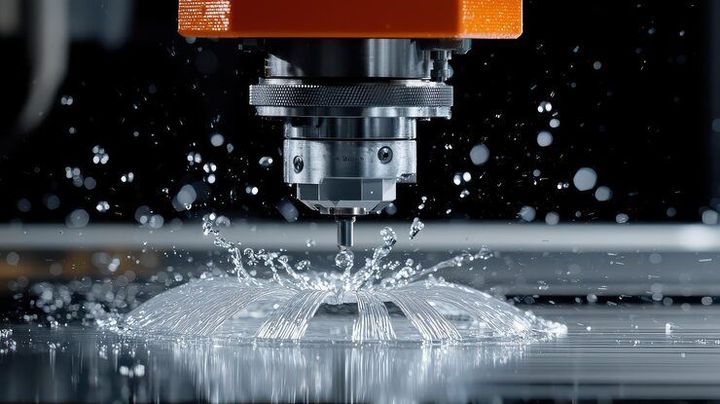
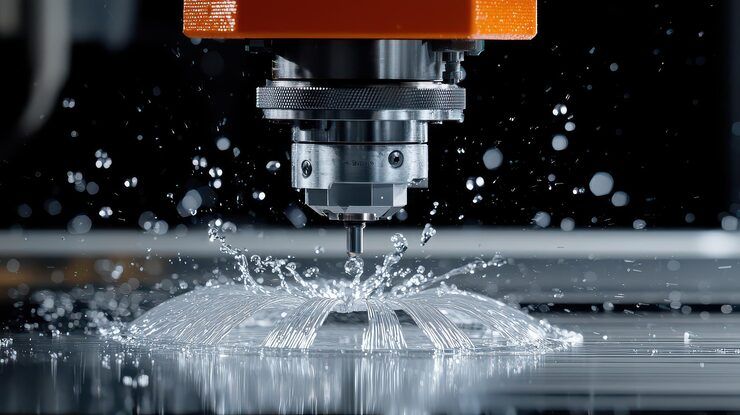
The machine directs the water through a very small nozzle at extremely high pressure. This creates a focused stream that can cut through material in a controlled way. The cutting path is usually guided by a computer-based system, allowing straight cuts, curves, holes, and detailed patterns.
Waterjet cutting is known for being versatile because the same basic system can be adapted for many different materials and industries.
How a Waterjet Machine Works
Even though the cutting process is powerful, the working principle is fairly easy to understand. A waterjet machine usually includes the following parts:
1. Water Supply
The process begins with clean water entering the system. The quality of the water matters because impurities can affect performance and wear down internal parts over time.
2. High-Pressure Pump
The water is pushed into a pump that raises the pressure to a very high level. This is one of the most important parts of the machine because the pressure creates the cutting force.
3. Cutting Head and Nozzle
The pressurized water moves to the cutting head, where it exits through a tiny nozzle. The nozzle focuses the stream into a narrow, fast-moving jet.
4. Abrasive Feeding System (When Needed)
For hard materials such as steel, stone, or thick glass, abrasive particles are added to the water stream. These particles increase cutting power and allow the machine to handle tougher surfaces.
5. Motion Control System
Most modern waterjet machines use CNC (computer numerical control) systems. The machine follows programmed instructions to move the cutting head across the material with accuracy.
6. Catch Tank or Cutting Bed
The material is placed on a support surface above a tank that catches the water after cutting. This helps control splash, noise, and debris.
In simple terms, the machine creates a narrow stream of high-pressure water, points it at the material, and moves it along a planned path until the shape is complete.
Main Types of Waterjet Machines
Waterjet machines are generally divided into two main categories.
Pure Waterjet Machines
Pure waterjet machines use only water and no abrasive particles. They are often used for softer materials that do not need the extra cutting force of abrasive media.
Common materials cut with pure waterjet:
- Rubber
- Foam
- Paper products
- Textiles
- Some plastics
- Food products
This type of machine is useful when a clean cut is needed without crushing or tearing the material.
Abrasive Waterjet Machines
Abrasive waterjet machines mix abrasive particles into the water stream. This allows them to cut much harder and thicker materials.
Common materials cut with abrasive waterjet:
- Steel
- Aluminum
- Stone
- Ceramic tiles
- Glass
- Composite materials
Abrasive waterjet systems are widely used in fabrication and industrial settings because of their ability to cut strong materials without creating heat-affected edges.
Materials a Waterjet Machine Can Cut
One reason waterjet machines are widely used is their ability to handle a broad range of materials. These include:
- Mild steel
- Stainless steel
- Aluminum
- Copper and brass
- Granite and marble
- Ceramic
- Glass
- Acrylic
- Rubber
- Foam
- Wood products
- Carbon fiber and composites
The thickness that can be handled depends on the machine design, pressure level, cutting speed, and material type. Some materials cut quickly, while others need slower movement for a smooth result.
Common Uses of Waterjet Machines
Waterjet machines are found in many sectors because they can produce detailed shapes and work with different materials.
Metal Fabrication
In fabrication environments, waterjet machines are used to cut metal sheets, plates, brackets, machine parts, and custom components. They are especially useful for shapes that would be difficult to create with manual cutting methods.
Stone and Tile Processing
Stone workshops use waterjet systems to cut granite, marble, and decorative tiles. They can create straight cuts, curves, mosaics, and detailed inlays.
Automotive and Aerospace Parts
Waterjet cutting is used for components that require precision and minimal material stress. It can help cut aluminum, composites, and specialty materials.
Glass and Decorative Work
Glass panels, decorative inserts, and design pieces can be shaped using waterjet systems. The process supports detailed cutting patterns while reducing the chance of cracking compared with some mechanical methods.
Signage and Custom Design
Waterjet machines are also used for logos, lettering, and artistic shapes in metal, stone, and acrylic materials.
Food Processing
In some applications, pure waterjet systems are used in food cutting because they can produce clean cuts and reduce direct contact with cutting tools.
Benefits of Using a Waterjet Machine
Waterjet cutting has several practical advantages, especially when compared with some heat-based or blade-based methods.
No Heat-Affected Zone
One of the biggest advantages is that waterjet cutting is a cold cutting process. It does not create the same type of heat-affected zone associated with some other cutting technologies. This can help preserve the original properties of the material.
Cuts Many Materials
A single waterjet system can often work with multiple materials. This makes it useful for workshops and facilities that process different types of products.
Handles Complex Shapes
Because many waterjet machines use CNC control, they can cut curves, slots, corners, patterns, and detailed outlines with good repeatability.
Clean Edge Quality
Waterjet cutting can produce relatively smooth edges, which may reduce the amount of additional finishing needed in some applications.
Less Mechanical Stress
Since the cutting tool is a stream of water rather than a physical blade pressing into the material, there is generally less direct mechanical stress on the workpiece.
Suitable for Thick Materials
Abrasive waterjet systems can cut thick sections of metal, stone, and other dense materials that may be difficult for some alternative methods.
Limitations to Keep in Mind
While waterjet machines are useful in many situations, they are not ideal for every task.
Slower on Some Materials
Compared with certain other cutting methods, waterjet cutting may take longer for specific materials or production runs.
Abrasive Handling
Abrasive systems require proper handling of abrasive media and waste material. This adds maintenance and cleanup considerations.
Water and Pump Maintenance
The machine relies heavily on pump performance, nozzle condition, and water quality. Regular inspection is important to keep cutting consistent.
Noise and Workspace Planning
High-pressure cutting can be noisy, and the machine setup needs enough room for the cutting bed, water tank, and material handling.
Waterjet Machine vs Other Cutting Methods
Waterjet cutting is often compared with laser cutting, plasma cutting, and mechanical sawing. Each method has its own strengths.
| Cutting Method | Main Cutting Force | Heat Involved | Material Range | Good for Complex Shapes |
|---|---|---|---|---|
| Waterjet | High-pressure water | No major heat zone | Very wide | Yes |
| Laser | Focused light beam | Yes | Commonly metals and some non-metals | Yes |
| Plasma | Electrically heated gas | Yes | Mostly conductive metals | Yes |
| Sawing | Mechanical blade | Limited heat | Many materials | Less flexible for intricate patterns |
A waterjet machine is often chosen when material flexibility, edge quality, and low-heat cutting are important.
Why Waterjet Machines Matter Today
Modern production often requires flexibility. A workshop may need to cut metal in the morning, stone in the afternoon, and custom design pieces later in the day. Waterjet machines support this kind of variety. They are also useful when material damage from heat needs to be avoided or when a project involves detailed shapes and mixed materials.
As manufacturing continues to move toward precision, customization, and digital control, waterjet machines remain relevant because they combine strong cutting ability with versatility. They are not the answer for every cutting task, but they fill an important role in fabrication, industrial processing, design work, and material shaping.
Conclusion
A waterjet machine is a cutting system that uses a high-pressure stream of water, sometimes mixed with abrasive particles, to cut a wide range of materials. It can be used for soft materials such as foam and rubber, as well as harder materials such as steel, stone, ceramic, and glass.
Its main strengths include cold cutting, material flexibility, detailed cutting paths, and reduced physical stress on the workpiece. At the same time, factors such as maintenance, cutting speed, and abrasive handling should be considered when evaluating its use.
For readers trying to understand modern cutting technology in simple terms, the waterjet machine stands out as a practical example of how water, pressure, and digital control can work together to shape materials with accuracy and consistency.