Wood Lamination Machines Information Guide for Modern Manufacturing Insights
Wood lamination machines are industrial systems used to bond layers of wood, veneer, laminate sheets, or plywood together through pressure, heat, or adhesives. These machines are widely used in furniture manufacturing, interior construction, cabinetry, flooring production, and engineered wood processing. The purpose of lamination is to improve durability, appearance, moisture resistance, and structural stability.
The development of wood lamination machines grew alongside the expansion of modern woodworking industries. Traditional hand-operated pressing methods gradually evolved into automated systems capable of handling large production volumes. Today, industrial wood lamination machines are available in several forms, including hydraulic presses, conveyor-based systems, and fully automated production lines.
Modern plywood lamination machines and veneer lamination machines are designed to support different wood materials and manufacturing methods. Some systems apply heat during pressing, while others rely on cold adhesive bonding. Depending on the application, manufacturers may use a hot press wood lamination machine or a cold press wood lamination machine.
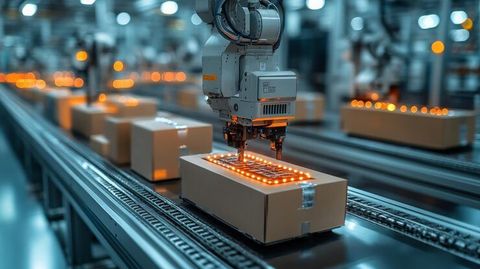
Many commercial wood lamination machines now include computerized controls, pressure monitoring systems, and automated feeding mechanisms. These features help improve consistency while reducing material waste during production.
Common Types of Wood Lamination Machines
Different industries use different machine configurations depending on material type and production scale.
| Machine Type | Main Function | Common Applications |
|---|---|---|
| Hydraulic wood lamination press | Uses hydraulic pressure for bonding | Furniture panels, plywood |
| Hot press wood lamination machine | Applies heat and pressure together | Decorative laminates, engineered boards |
| Cold press wood lamination machine | Uses pressure without heat | Veneer bonding, adhesive curing |
| Automatic wood lamination machine | Automates feeding and pressing | Large-scale manufacturing |
| Veneer lamination machines | Bonds thin wood veneer sheets | Cabinets, decorative surfaces |
| Plywood lamination machines | Laminates plywood panels | Construction materials |
| Wood lamination production line | Integrates multiple processing stages | Industrial panel manufacturing |
How Wood Lamination Works
The lamination process generally includes several steps:
- Surface preparation, where wood panels are cleaned and aligned
- Adhesive application using rollers or spray systems
- Layer positioning for veneers, laminates, or plywood sheets
- Pressing through heat, pressure, or both
- Cooling and finishing after bonding is complete
The type of adhesive and pressure level often depends on the material being processed and the intended end use.
Importance
Wood lamination technology plays an important role in modern manufacturing because it allows wood products to become stronger, more uniform, and more adaptable to different environments. Many everyday items, including office furniture, kitchen cabinets, flooring panels, and wall systems, are produced using laminated wood components.
One major reason wood lamination machines matter today is material efficiency. Manufacturers can combine thin wood layers or engineered materials instead of relying entirely on solid timber. This approach supports more consistent product quality and can reduce defects caused by natural wood variations.
Industrial wood lamination machines also help improve production speed in manufacturing facilities. Manual bonding methods often require longer curing times and inconsistent pressure application. Automated systems can maintain stable pressure and temperature settings during production cycles.
Applications Across Industries
Wood lamination systems are used in multiple sectors:
- Furniture manufacturing, including tables, wardrobes, and shelving
- Interior construction for decorative wall panels and flooring
- Transportation industries using laminated wood components
- Educational and office furniture production
- Retail fixture manufacturing
- Modular housing and prefabricated structures
Commercial wood lamination machines are particularly important for high-volume panel production where consistency is necessary across thousands of units.
Environmental and Material Considerations
Modern wood processing industries increasingly focus on reducing waste and improving resource management. Veneer lamination machines allow manufacturers to use thinner decorative wood layers over engineered boards, which can help preserve hardwood resources.
Some hydraulic wood lamination press systems are also designed to work with low-emission adhesives and energy-efficient heating systems. These changes are connected to broader manufacturing trends related to sustainability and workplace safety.
Recent Updates
Between 2024 and 2026, wood lamination technology continued moving toward automation, digital monitoring, and energy-efficient operation. Many automatic wood lamination machine systems now include touchscreen controls and sensor-based monitoring to improve process accuracy.
Automation and Smart Controls
Recent developments include:
- Pressure sensors for more precise bonding
- Automated adhesive application systems
- Conveyor-based feeding mechanisms
- Remote diagnostics for machine monitoring
- Programmable production settings for different materials
These technologies help reduce production interruptions and improve consistency across manufacturing batches.
Growth of Engineered Wood Products
The increased use of engineered wood products has influenced the design of plywood lamination machines and veneer lamination machines. Manufacturers now process a wider range of composite materials, including medium-density fiberboard (MDF), particle board, and cross-laminated timber.
As engineered wood products become more common in construction and furniture manufacturing, wood lamination production line systems are adapting to larger panel sizes and higher throughput requirements.
Energy Efficiency Trends
Energy consumption remains an important topic in industrial manufacturing. Some hot press wood lamination machine systems now use insulated heating plates and improved thermal controls to reduce energy loss during operation.
Cold press wood lamination machine systems are also being used in situations where heat is unnecessary, helping manufacturers reduce electricity consumption in certain production environments.
Workplace Safety Improvements
Recent machine designs increasingly include:
- Emergency stop systems
- Protective safety covers
- Automatic shutdown sensors
- Noise reduction components
- Improved ventilation integration
These changes are intended to support safer industrial environments for machine operators and maintenance teams.
Laws or Policies
Wood processing and lamination industries are often affected by environmental regulations, workplace safety rules, and manufacturing standards. The specific requirements vary by country, but many regions share similar regulatory priorities.
Environmental Regulations
Many governments regulate emissions related to wood adhesives and industrial manufacturing. Adhesives used in plywood lamination machines and veneer lamination machines may need to comply with formaldehyde emission standards or volatile organic compound (VOC) limits.
Environmental policies may also affect:
- Waste disposal procedures
- Air filtration systems
- Energy efficiency targets
- Wood sourcing documentation
- Recycling requirements
Manufacturers operating large wood lamination production line facilities often need environmental permits for industrial operations.
Workplace Safety Standards
Industrial equipment such as hydraulic wood lamination press systems typically falls under workplace machinery regulations. These rules often require:
- Operator safety training
- Machine guarding systems
- Emergency stop mechanisms
- Regular maintenance inspections
- Electrical safety compliance
Safety standards are especially important for hot press wood lamination machine systems because they involve high temperatures and pressure levels.
International Manufacturing Standards
Some manufacturers follow international standards related to quality management and environmental practices. Examples include production quality certifications and industrial safety guidelines used across global manufacturing sectors.
These standards help support consistent production practices and documentation across international supply chains.
Tools and Resources
Manufacturers, engineers, and woodworking professionals use various tools and digital resources related to wood lamination systems.
Production Monitoring Software
Many automatic wood lamination machine systems now include software dashboards that track:
- Pressure levels
- Temperature settings
- Production speed
- Material usage
- Maintenance schedules
These systems help operators monitor equipment performance during manufacturing.
CAD and Design Platforms
Computer-aided design software is often used to create laminated wood product layouts before production begins. These platforms help manufacturers plan dimensions, material layers, and cutting patterns.
Industrial Safety Resources
Government occupational safety agencies and manufacturing associations often publish guidance related to:
- Machine operation
- Ventilation requirements
- Fire prevention
- Noise control
- Protective equipment
These materials help factories maintain safer working environments.
Technical Documentation and Manuals
Wood lamination machine manufacturers typically provide:
- Equipment operation manuals
- Maintenance schedules
- Hydraulic system diagrams
- Adhesive compatibility charts
- Troubleshooting guides
These documents are important for machine maintenance and production planning.
FAQs
What are wood lamination machines used for?
Wood lamination machines are used to bond wood layers, veneers, laminates, or plywood sheets together using pressure, adhesives, and sometimes heat. They are commonly used in furniture production, construction materials, and engineered wood manufacturing.
What is the difference between a hot press wood lamination machine and a cold press wood lamination machine?
A hot press wood lamination machine uses both heat and pressure to bond materials, while a cold press wood lamination machine relies mainly on pressure and adhesive curing without added heat. The choice depends on the material type and production process.
How do hydraulic wood lamination press systems work?
A hydraulic wood lamination press uses hydraulic cylinders to apply even pressure across wood panels or laminate layers. This pressure helps create a stable bond between materials during the lamination process.
What industries use plywood lamination machines and veneer lamination machines?
Plywood lamination machines and veneer lamination machines are commonly used in furniture manufacturing, interior panel production, cabinetry, flooring, and construction material processing.
What is included in a wood lamination production line?
A wood lamination production line may include panel feeders, adhesive applicators, pressing systems, trimming equipment, cooling sections, and automated handling systems. Larger industrial systems often combine several stages into a continuous workflow.
Conclusion
Wood lamination machines are an important part of modern wood processing and manufacturing industries. These systems support the production of plywood panels, decorative surfaces, engineered wood products, and furniture components through controlled bonding processes.
Industrial wood lamination machines continue evolving through automation, energy management improvements, and enhanced safety features. Technologies such as hydraulic presses, automatic controls, and integrated production lines have expanded the range of materials and applications used in laminated wood manufacturing.
As manufacturing practices continue to change, plywood lamination machines, veneer lamination machines, and other commercial wood lamination machines remain closely connected to broader trends in efficiency, sustainability, and industrial production standards.