Wooden Carving Machines: Complete Guide for Beginners and Professionals
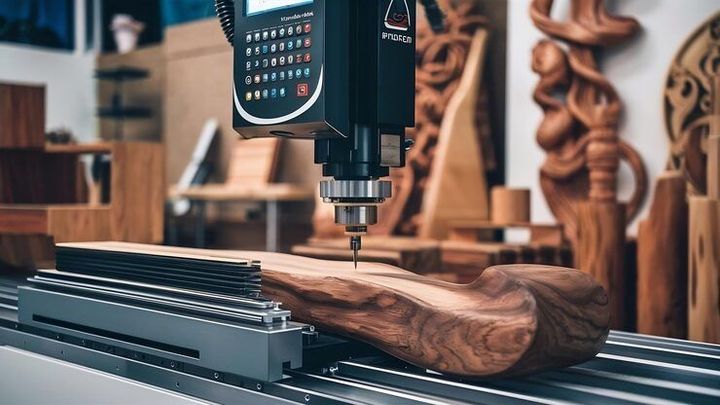
Wooden carving machines are mechanical or computerized tools designed to shape, engrave, and cut wood into decorative or functional forms. They are widely used in furniture manufacturing, interior design, architectural detailing, sign making, and artistic woodworking.
Traditionally, wood carving was done manually using chisels and mallets. Over time, technology introduced powered tools and CNC (Computer Numerical Control) systems, transforming the process. Today, wooden carving machines range from small desktop engravers to advanced CNC routers capable of complex 3D carving.
These machines improve precision, speed, and repeatability in woodworking. While manual carving still holds artistic value, automated machines enable consistent large-scale production.
Common Types of Wooden Carving Machines
- CNC wood carving machines
- Laser wood engraving machines
- Rotary carving machines
- 3-axis and 5-axis CNC routers
- Desktop hobby carving machines
Modern woodworking integrates digital design software, automated tool paths, and high-performance spindle motors. This reflects broader trends in industrial automation and precision manufacturing.
Importance
Wooden carving machines play a key role in both creative and industrial sectors. They are widely used by furniture manufacturers, interior designers, construction firms, hobbyists, and educational institutions.
The demand for customized wooden products has increased significantly in recent years. Products such as carved doors, decorative panels, and personalized signage require high accuracy and repeatability.
Key Benefits
- Consistent and precise carving results
- Faster production compared to manual methods
- Easy replication of identical designs
- Reduced material waste
- Improved workflow through CAD/CAM integration
These machines solve common challenges like inconsistent results and time-consuming manual work. They also support sustainable practices by optimizing material usage.
Recent Updates and Trends in 2025
Woodworking technology has evolved rapidly in 2024–2025. AI-assisted CNC software now adjusts cutting speeds and tool paths automatically based on wood properties.
Key Trends
- Growth of compact desktop CNC machines for education
- IoT-enabled monitoring in industrial machines
- Hybrid laser and router systems
- Improved dust extraction and safety features
- Energy-efficient spindle motors
Cloud-based design tools are also becoming popular, allowing remote collaboration and direct file transfer to CNC machines. These innovations improve efficiency and flexibility in production.
Machine Technology Comparison
| Machine Type | Precision Level | Ideal Use | Automation Level |
|---|---|---|---|
| Manual Rotary Machine | Moderate | Artistic detailing | Low |
| CNC 3-Axis Router | High | Furniture panels, signage | High |
| CNC 5-Axis Router | Very High | Complex 3D carving | Very High |
| Laser Engraving Machine | Ultra Fine | Surface detailing | High |
These advancements highlight the shift toward automation, digital control, and sustainability in woodworking.
Laws, Regulations, and Safety Policies
Wooden carving machines must comply with safety and environmental regulations. These requirements vary by region but focus on workplace safety and machine operation standards.
Key Safety Regulations
- Machine guarding requirements
- Dust control and extraction systems
- Noise exposure limits
- Operator safety training
Dust emissions are a major concern, as fine particles can affect respiratory health. Many countries mandate proper dust collection systems to reduce airborne risks.
Electrical safety standards also apply to high-powered CNC machines. Governments are promoting training programs to ensure safe and skilled operation of woodworking equipment.
Tools and Resources
Using wooden carving machines effectively requires both software and physical tools. These resources improve accuracy, efficiency, and production quality.
Software Tools
- CAD software for design modeling
- CAM software for tool path creation
- G-code simulators
- CNC machine control interfaces
Hardware Accessories
- Carbide router bits
- Collets and tool holders
- Dust collection systems
- Workholding clamps
- Digital measuring tools
CNC Workflow Process
| Step | Process Description |
|---|---|
| 1 | Create design in CAD software |
| 2 | Generate tool path using CAM |
| 3 | Export G-code file |
| 4 | Secure material on machine |
| 5 | Execute carving operation |
| 6 | Inspect and finish product |
Educational resources, including online courses and technical training programs, help users learn CNC programming and woodworking safety.
Frequently Asked Questions
What is the difference between CNC and manual carving?
CNC machines operate using computer-controlled instructions, ensuring high precision and repeatability. Manual carving relies on operator skill and is typically used for artistic detailing.
Can beginners use wooden carving machines?
Yes, beginner-friendly desktop CNC machines are available. However, proper training and safety knowledge are essential before use.
What materials can be carved besides wood?
CNC machines can also cut MDF, plywood, acrylic, and some soft metals, depending on specifications.
Why is dust collection important?
Dust collection improves air quality, protects health, and enhances machine performance.
What is G-code?
G-code is the programming language used to control CNC machines, guiding movement, speed, and tool positioning.
Technical Considerations for Professionals
Professional users evaluate several technical parameters when selecting a machine. These factors directly impact performance and output quality.
Key Technical Factors
- Spindle power (kW rating)
- Maximum cutting depth
- Axis travel range
- Motor type (stepper or servo)
- Machine frame rigidity
Spindle speeds typically range from 8,000 to 24,000 RPM. Higher speeds are suitable for intricate detailing and fine engraving work.
Axis Configurations
- 3-axis: Standard X, Y, Z movement
- 4-axis: Adds rotational capability
- 5-axis: Enables complex 3D carving
Precision tolerance is especially important for architectural components and decorative panels used in commercial projects.
Conclusion
Wooden carving machines have transformed traditional woodworking into a digital and automated process. From hobby-level machines to industrial CNC systems, they enable precise and efficient production.
Advancements in AI, IoT monitoring, and energy-efficient designs are shaping the future of woodworking in 2025. At the same time, safety and environmental standards ensure responsible machine operation.
Understanding machine types, tools, and safety requirements helps both beginners and professionals improve their results. As technology evolves, wooden carving machines will remain essential in modern craftsmanship and manufacturing.