Wooden Earrings: Complete Guide to Styles, Materials, and Everyday Wear Tips
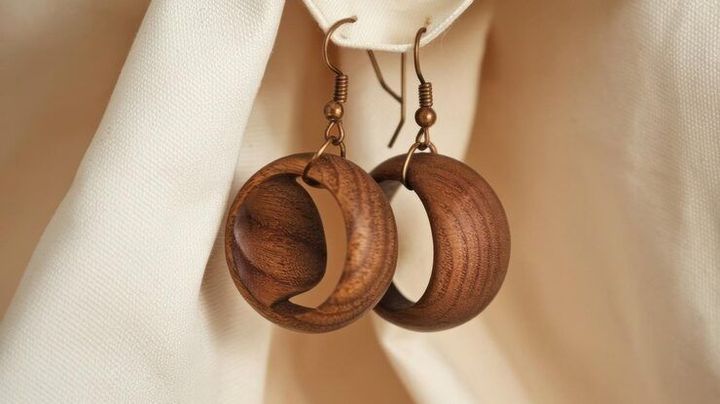
Wooden earrings are jewelry pieces made from natural wood materials shaped into decorative designs for ear adornment. These accessories exist because people have long used natural materials such as wood, stone, and bone to create personal ornaments. Over time, wooden jewelry evolved from traditional cultural expression into modern fashion accessories used worldwide.
Wooden earrings are a unique category of jewelry known for their lightweight feel and natural aesthetic. They are widely appreciated for combining comfort with creative design possibilities.
Wood is valued in jewelry making because it can be carved, engraved, and shaped into various artistic forms. Unlike heavier metal jewelry, wooden earrings allow extended wear without discomfort while maintaining visual appeal.
Materials Used in Wooden Earrings
Common Types of Wood
Different types of wood are used in crafting earrings, each offering distinct textures, colors, and durability. The choice of wood often influences the final look and longevity of the jewelry.
Common materials include:
- Bamboo – lightweight and sustainable
- Walnut wood – dark tones with smooth grain
- Maple wood – light color with fine texture
- Rosewood – rich reddish tones and strong durability
- Teak wood – resistant to moisture and environmental changes
Additional Materials and Combinations
Wooden earrings are often enhanced with other materials to create more intricate and diverse designs. These combinations help expand style options for different occasions.
Common additions include:
- Metal hooks or clasps
- Resin accents
- Natural stones
- Fabric or bead decorations
Manufacturing Process
Techniques Used in Production
Wooden earrings are crafted using several techniques that shape and refine the material. These processes ensure both durability and aesthetic quality.
Common techniques include:
- Carving
- Laser cutting
- Sanding
- Polishing
Design Enhancements
Designers often incorporate creative elements to improve visual appeal. These enhancements allow for unique patterns and artistic expression.
Examples include:
- Resin inlays
- Painted designs
- Natural dyes
- Engraved patterns
Why Wooden Earrings Matter in Modern Fashion
Growing Demand for Sustainable Accessories
Wooden earrings have gained popularity due to increasing awareness of eco-friendly fashion. Many consumers prefer materials that are renewable and environmentally responsible.
Responsibly sourced wood aligns with sustainability initiatives and reduces environmental impact. This makes wooden jewelry appealing to conscious buyers.
Key Benefits
Wooden earrings provide practical and aesthetic advantages compared to traditional jewelry. Their lightweight nature makes them especially suitable for daily wear.
Key benefits include:
- Comfortable for long periods
- Natural and artistic appearance
- Wide variety of designs
- Suitable for multiple fashion styles
Recent Developments and Trends
Technological Advancements
Modern technology has significantly influenced wooden jewelry design. Tools like laser cutting and CAD software enable precise and complex patterns.
These technologies improve production efficiency and allow designers to experiment with intricate details.
Popular Design Trends (2024–2025)
Recent trends reflect a blend of minimalism and artistic creativity. Designers are exploring new shapes and materials to attract modern consumers.
Trending styles include:
- Minimalist wooden studs
- Large geometric hoops
- Nature-inspired shapes
- Layered wood designs
- Laser-engraved patterns
Regulations and Policies
Environmental Regulations
Wood sourcing is influenced by environmental policies that promote sustainable forestry. These regulations help protect ecosystems and prevent illegal logging.
Examples include:
- Forest Stewardship Council (FSC) certification
- Convention on International Trade in Endangered Species (CITES)
Product Safety Guidelines
Jewelry must meet safety standards to ensure it is safe for consumers. These rules apply to coatings, dyes, and materials used in production.
Common regulations include:
- Restrictions on toxic substances
- Import/export documentation
- Consumer safety compliance
Tools and Resources for Design
Common Design Software
Designers use digital tools to create and refine wooden earring patterns. These tools help improve accuracy and efficiency in production.
Popular tools include:
- Adobe Illustrator
- CorelDRAW
- AutoCAD
- Fusion 360
Tool Comparison Table
| Tool Type | Example Software | Main Purpose |
|---|---|---|
| Vector Design Software | Adobe Illustrator | Creating detailed design patterns |
| Laser Cutting Software | CorelDRAW | Preparing files for laser machines |
| 3D Modeling Tools | Fusion 360 | Designing complex structures |
| CAD Systems | AutoCAD | Precision layout and measurement |
Learning Resources
Various resources help beginners and professionals understand woodworking and jewelry design. These resources support skill development and creativity.
Examples include:
- Online woodworking courses
- Jewelry design tutorials
- Digital templates
- Inspiration libraries
Frequently Asked Questions
Are wooden earrings suitable for everyday wear?
Yes, wooden earrings are lightweight and comfortable, making them ideal for daily use. Proper care ensures long-lasting quality.
Do wooden earrings require maintenance?
They require minimal maintenance. Keeping them dry and cleaning with a soft cloth helps preserve their finish.
Can wooden earrings cause allergies?
Wood rarely causes allergies. However, metal components like hooks may affect sensitive individuals.
How are detailed designs created?
Designs are created using carving, engraving, or laser cutting techniques. Laser cutting is commonly used for precision patterns.
Common Wooden Earring Styles
Popular Categories
Wooden earrings come in a wide range of styles to suit different preferences. Designers often draw inspiration from geometry and nature.
Common styles include:
- Stud earrings
- Drop earrings
- Hoop earrings
- Geometric designs
- Nature-themed designs
Sustainability Considerations
Eco-Friendly Practices
Sustainability plays a major role in wooden jewelry production. Responsible sourcing and eco-friendly processes help reduce environmental impact.
Common practices include:
- Using reclaimed wood
- Choosing certified materials
- Minimizing production waste
- Applying non-toxic finishes
Conclusion
Wooden earrings combine traditional craftsmanship with modern design innovation. Their lightweight nature, variety of materials, and artistic flexibility make them a valuable part of contemporary fashion.
Advancements in technology and increasing focus on sustainability have further expanded their appeal. As eco-conscious trends continue to grow, wooden earrings remain an important example of how natural materials can evolve in modern jewelry design.