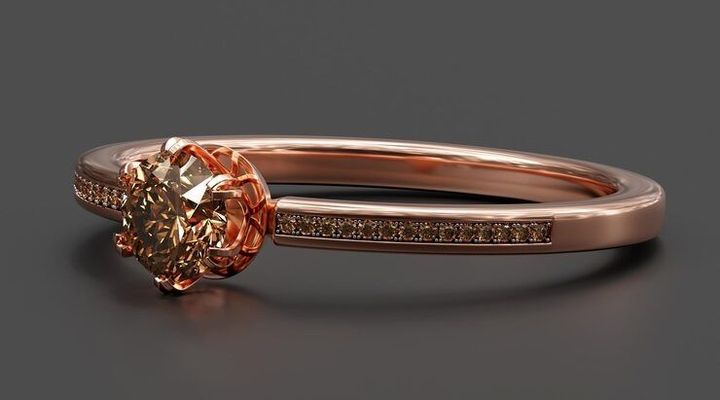
18K Rose Gold Rings Guide: Explore Styles, Gold Purity, Designs, Settings, and Buying Factors
18K rose gold rings combine gold with other metals to create a warm pink or reddish tone. The term 18K means that the alloy contains 18 parts gold out of 24, equivalent to 75% gold by mass, while the remaining 25% consists of other metals. Rose gold generally gets its characteristic color from a higher proportion of copper in the alloy.
Rose gold developed from the broader practice of combining gold with other metals to change its physical characteristics and appearance. Pure gold is relatively soft, so alloying it with metals such as copper and silver can make jewellery more suitable for practical use.
An 18K rose gold ring therefore has two important characteristics: its gold purity and its alloy composition. The 18K designation describes the gold content, while the particular mixture of additional metals influences the shade, hardness, and appearance of the finished ring.
What Makes Rose Gold Different?
The pink tone of rose gold comes primarily from copper. A typical 18K rose gold composition contains 75% gold, with the remainder made up of alloying metals. The exact proportions can vary between formulations, so two rings with the same 18K designation may have slightly different shades.
Rose gold should not be confused with gold-colored plating. A solid 18K rose gold ring has an 18K gold alloy throughout the relevant metal portion, whereas a plated item has a different underlying material covered by a thin colored layer.
Understanding 18K Gold Purity
Karat, written as K when describing gold purity, divides gold into 24 parts. Eighteen of those parts are gold, giving 18K gold a fineness of 750 parts per thousand, or 75%.
In India, 18K gold is one of the recognized gold fineness grades for hallmarking. BIS identifies 18K as 750 fineness under IS 1417.
Importance
Understanding 18K rose gold rings matters because a ring involves more than color and appearance. Gold purity, alloy composition, ring construction, gemstone settings, dimensions, and finishing can all affect how a ring looks and behaves during regular use.
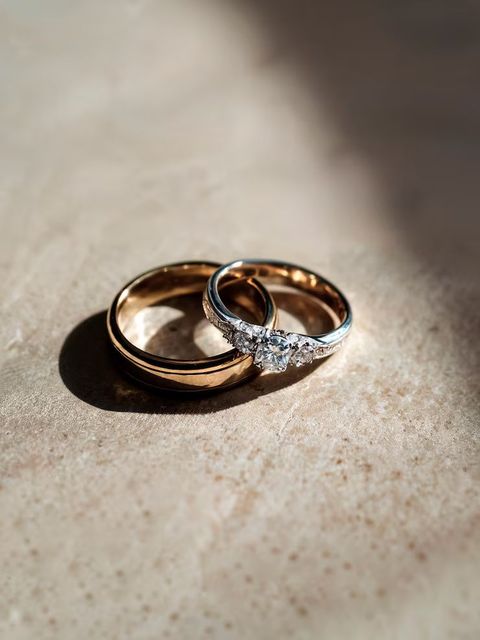
Rose gold is used in engagement rings, wedding bands, fashion rings, gemstone rings, and other jewellery designs. Its warm tone can create a different visual effect from traditional yellow gold or white gold while retaining the 18K gold purity designation.
Why Gold Purity Matters
Gold purity indicates how much of the metal is gold rather than alloying material. An 18K ring contains 75% gold, while the remaining portion allows the manufacturer to modify characteristics such as hardness and color.
Gold purity should not be judged by color alone. Two rings may have different colors while having the same gold content if they are made from different 18K alloys.
Practical Characteristics
The additional metals in rose gold can influence the physical characteristics of a ring. Copper contributes to the distinctive color and forms part of the alloy used to create the finished material.
For everyday wear, the condition of a ring can also depend on its thickness, design, surface finish, exposure to chemicals, friction, and handling. These factors are separate from the karat designation itself.
Recent Updates
From 2024 through 2026, jewellery information in India has continued to place greater emphasis on hallmark verification, digital identification, and consumer awareness around gold purity. BIS states that hallmarking provides an official indication of precious-metal fineness and identifies the recognized gold grades, including 18K or 750 fineness.
The current Indian hallmarking system uses three principal marks on hallmarked gold jewellery: the BIS Standard Mark, the purity mark expressed in carat and fineness, and a six-digit alphanumeric Hallmark Unique Identification number, or HUID. BIS states that consumers can verify the HUID through the BIS Care App.
Hallmarking and HUID
For an 18K gold ring in India, the purity indication can appear as 18K along with 750 fineness. The HUID provides an additional identification reference for a hallmarked article.
BIS explains that hallmarking is intended to establish the proportion of precious metal in an article and protect consumers against incorrect declarations of purity.
Contemporary Ring Designs
Current ring designs include minimalist bands, solitaire settings, halo arrangements, pavé details, vintage-inspired patterns, geometric shapes, and combinations of rose gold with other metals. Some designs use rose gold as the primary metal, while others combine it with yellow or white gold for a two-tone appearance.
Another continuing design trend is the use of different surface treatments. Polished, brushed, satin, hammered, engraved, and textured finishes can produce noticeably different appearances even when the underlying gold alloy is similar.
Digital and Automated Jewellery Production
Computer-aided design and precision manufacturing have also become increasingly relevant to jewellery production. Digital modelling can help create detailed ring shapes, while computer-controlled processes can reproduce intricate patterns and settings with defined dimensions.
These technologies do not change the basic meaning of 18K purity. They mainly affect how the ring is designed, formed, finished, and inspected.
Laws or Policies
In India, gold jewellery is covered by the Bureau of Indian Standards hallmarking framework. BIS states that IS 1417 permits several gold fineness grades, including 14K (585), 18K (750), 20K (833), 22K (916), 23K (958), and 24KS (995).
For hallmarked jewellery, BIS explains that the hallmark consists of the BIS logo, the purity expressed in caratage and fineness, and the six-digit HUID. Each article in a pair and detachable parts are also subject to specific hallmarking requirements where applicable.
BIS also states that an invoice for hallmarked precious-metal jewellery should include information such as the article description, net precious-metal weight, purity in carat and fineness, and applicable hallmarking information.
Checking an 18K Rose Gold Hallmark
When examining an 18K rose gold ring in India, the relevant details include:
- BIS Standard Mark
- 18K or equivalent purity identification
- 750 fineness indication
- Six-digit HUID
- Article details on the invoice
The hallmark identifies gold purity rather than the visible color. Therefore, an 18K rose gold ring and an 18K yellow gold ring can both have 750 fineness because both contain 75% gold.
Tools and Resources
Several resources can help readers understand 18K rose gold rings and evaluate their specifications.
Gold Purity Charts
Gold purity charts show the relationship between karat values and gold content. For example, 18K corresponds to 75% gold, while 14K corresponds to approximately 58.5% and 22K corresponds to approximately 91.6%. BIS recognizes these fineness levels under its gold standards.
BIS Hallmark Resources
The BIS hallmarking portal provides information about hallmarking, recognized fineness grades, HUID identification, assaying and hallmarking centres, and applicable requirements. BIS also states that consumers can have jewellery tested at a recognized Assaying and Hallmarking Centre.
Ring Size Guides
Ring size charts help translate finger measurements into standardized ring sizes. Measurements should account for the ring's width because wider bands can feel different from narrow bands on the same finger.
Design and Setting References
Jewellery design references can help explain common settings and construction methods. A ring may use a prong, bezel, pavé, channel, or tension-style arrangement depending on its design and gemstone configuration.
The following table provides a simple comparison:
| Feature | What to Examine |
|---|---|
| Gold purity | 18K / 750 designation |
| Color | Warm pink, blush, or reddish tone |
| Alloy | Gold combined with other metals |
| Setting | Prong, bezel, pavé, channel, or other design |
| Finish | Polished, brushed, satin, textured, or engraved |
| Ring profile | Flat, rounded, domed, or shaped |
| Hallmark | BIS mark, purity and HUID where applicable |
| Documentation | Article description, purity, and metal weight |
Gemstone Setting Considerations
The setting determines how a gemstone is held in place. Prong settings use small metal claws, bezel settings surround the stone with metal, and pavé designs place multiple small stones closely across part of the ring surface.
The setting should be considered separately from the gold purity. An 18K designation describes the gold alloy, not the security or design characteristics of a particular gemstone setting.
FAQs
What is an 18K rose gold ring?
An 18K rose gold ring is made from a gold alloy containing 75% gold. Copper and other alloying metals are used to produce the characteristic warm pink color.
What does 750 mean on an 18K rose gold ring?
750 means that the metal contains 750 parts gold per 1,000 parts, equivalent to 75% gold. It is the fineness designation associated with 18K gold under the relevant Indian standard.
Are 18K rose gold rings real gold?
Yes. An 18K rose gold alloy contains 75% gold. The remaining 25% consists of other metals that contribute to the alloy's color and physical characteristics.
What settings are used for 18K rose gold rings?
Common settings include prong, bezel, pavé, channel, and other specialized arrangements. The appropriate setting depends on the gemstone shape, ring design, intended appearance, and construction.
How can an 18K rose gold ring be checked in India?
A hallmarked ring can be examined for the BIS Standard Mark, purity and fineness indication, and HUID. BIS states that HUID information can be verified using the BIS Care App, while jewellery can also be tested through a recognized Assaying and Hallmarking Centre.
Conclusion
18K rose gold rings contain 75% gold, with alloying metals such as copper creating their characteristic warm pink appearance. Ring styles range from simple bands to gemstone designs using prong, bezel, pavé, and other settings. In India, 18K gold corresponds to 750 fineness under the applicable BIS gold standard, and hallmarked jewellery includes specific identification marks. Understanding purity, alloy composition, construction, settings, finish, and hallmark information provides a clearer view of how 18K rose gold rings are made and identified.