Diamond Earrings Guide: Explore Styles, Diamond Quality, Settings, Designs, and Buying Factors
Diamond earrings are jewelry pieces that combine one or more diamonds with a metal setting designed to hold the stones securely around the ear. They are available in many forms, including studs, hoops, drop earrings, and dangling designs. A diamond earrings guide helps explain the differences between these styles, the factors that determine diamond quality, and the settings used to secure the stones.
Diamonds have been used in jewelry for centuries, while modern diamond grading and jewelry manufacturing have created more standardized ways to describe their characteristics. Today, earrings can contain natural diamonds, laboratory-grown diamonds, treated stones, or diamond-like materials, depending on their design and labeling.
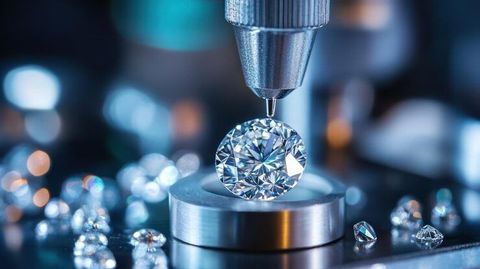
The appearance of a diamond earring depends on both the diamond and the surrounding setting. The diamond's shape, cut, color, clarity, and carat weight influence its visual characteristics, while the metal, prongs, backing, and overall design affect how the earring looks and sits on the ear.
Common Diamond Earring Styles
Diamond earrings are generally classified by their construction and how they sit around the ear.
- Stud earrings sit close to the earlobe and commonly use a single central diamond or a cluster.
- Hoop earrings form a circular or curved shape and may have diamonds positioned along part or all of the hoop.
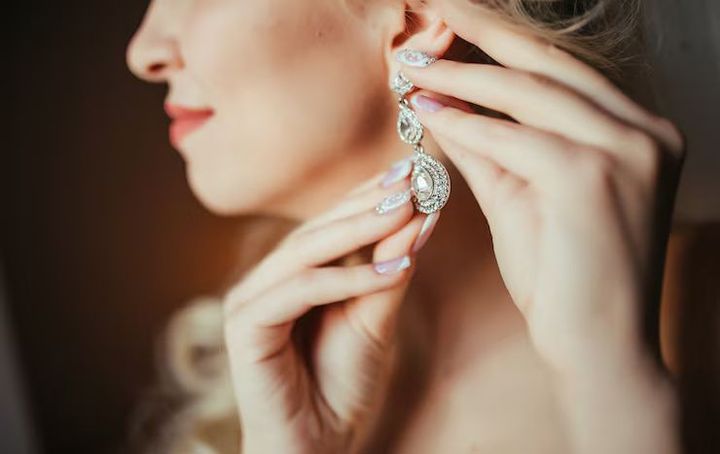
- Drop earrings extend below the earlobe and can contain one or several diamonds.
- Dangle earrings hang more freely and may include diamonds combined with metal links or other gemstones.
- Cluster earrings group several smaller diamonds together to create a larger visual arrangement.
- Halo earrings surround a central diamond with smaller stones.
These categories can overlap. For example, a drop earring may also use a halo arrangement or contain multiple diamond shapes.
Importance
Diamond earrings are relevant to both personal jewelry use and the wider gemstone industry. Understanding the basic characteristics of diamonds can help readers interpret product descriptions, grading reports, metal markings, and setting terminology.
The subject also matters because two earrings that appear similar at first glance can differ considerably in their diamond characteristics and construction. The number of stones alone does not explain the overall quality of a pair.
Understanding Diamond Quality
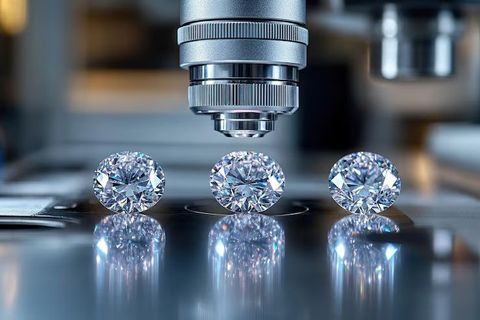
The commonly used framework for describing diamond characteristics is the 4Cs: cut, color, clarity, and carat weight. GIA describes these four characteristics as the defining factors used in diamond evaluation.
Cut describes how the diamond's facets, proportions, and finish interact with light. It is different from shape: round, oval, pear, marquise, and heart describe the outline or shape of a diamond, while cut refers to the quality of its proportions and craftsmanship.
Color generally refers to the presence or absence of color in a diamond. For standard D-to-Z diamonds, the scale begins with D and progresses toward Z as visible yellow or brown color becomes more apparent.
Clarity describes internal inclusions and external blemishes. Grading considers characteristics such as their size, position, nature, and visibility under magnification.
Carat weight measures the weight of a diamond rather than its visual diameter. Two diamonds with the same carat weight can have different shapes, proportions, colors, clarity characteristics, and appearances.
Why the 4Cs Matter for Earrings
For earrings containing multiple diamonds, the relationship between the stones is also important. A pair may use diamonds that are closely matched in color, clarity, size, and shape, or it may intentionally combine different stones within one design.
Matching can be particularly noticeable in earrings because the pieces are worn as a pair. Differences in color or size may become more visible when the earrings are positioned on opposite sides of the face.
Styles, Settings, and Designs
The setting is the structure that holds a diamond in place. It is made from materials such as gold, platinum, or other metals and can significantly influence the appearance of an earring.
Common Diamond Settings
Prong settings use small metal projections to hold the diamond. They can leave a substantial portion of the stone visible, allowing light to enter from several directions.
Bezel settings surround the edge of a diamond with metal. This creates a defined border around the stone and provides a different visual appearance from exposed prongs.
Pavé settings place multiple small diamonds closely together, with small sections of metal holding the stones in position. When viewed from a distance, the individual metal sections may be less noticeable.
Channel settings place diamonds within a channel formed by two parallel metal walls. This approach is commonly associated with bands and linear jewelry designs but can also appear in earrings.
Cluster settings arrange multiple diamonds around a central area. They can create a larger combined pattern while using several individual stones.
Diamond Shapes
Diamond shape is an important design factor. Common shapes include:
| Diamond shape | General appearance | Common design use |
|---|---|---|
| Round | Circular outline with faceted structure | Studs, halos, classic earrings |
| Princess | Square or rectangular outline | Geometric and modern designs |
| Oval | Elongated rounded outline | Studs and drop earrings |
| Pear | Teardrop-like outline | Drops and dangles |
| Marquise | Long shape with pointed ends | Decorative and elongated designs |
| Emerald | Rectangular step-cut appearance | Structured and understated designs |
| Heart | Heart-shaped outline | Decorative and symbolic designs |
Shape and cut should not be treated as identical terms. A diamond can have a particular shape while having different levels of cut quality depending on its proportions, symmetry, polish, and other characteristics.
Metal Choices
Diamond earrings can be made with yellow gold, white gold, rose gold, platinum, and other metals. The metal's color can influence how the diamond appears, while its composition affects properties such as hardness, weight, and maintenance requirements.
In India, gold and silver are currently within the BIS hallmarking framework. Hallmarking identifies the proportion of precious metal in an article and provides an official indication of purity or fineness.
Buying Factors
Several factors can be considered when evaluating diamond earrings. These include the diamond characteristics, setting construction, metal purity, documentation, matching between the pair, and intended use.
Diamond Certification and Reports
A grading report from a recognized gemological laboratory can provide information about a diamond's characteristics. GIA reports, for example, can include information about shape, color, clarity, cut, carat weight, proportions, finish, and treatments for applicable diamonds.
A report should be read alongside the actual jewelry description because a report may apply to a particular stone rather than every diamond used in a pair of earrings.
Natural and Laboratory-Grown Diamonds
Natural diamonds form through geological processes, while laboratory-grown diamonds are produced through controlled technological processes. Both can have similar optical, physical, and chemical properties, but their origins are different.
Clear terminology is important when identifying diamond type. India's BIS has introduced IS 19469:2025, titled "Jewellery — Consumer Confidence in the Diamond Industry," addressing descriptions, labeling, and advertising of natural, laboratory-grown, treated, composite, and imitation diamond products. The standard emphasizes clear differentiation between these categories.
Earring Backings
The backing affects how securely an earring stays attached to the ear. Common types include push backs, screw backs, lever backs, latch backs, and hinged mechanisms.
The appropriate backing depends on the earring's weight, design, and intended use. A lightweight stud and a longer dangling earring may require different mechanisms because their balance and movement are different.
Matching a Pair
For diamond earrings containing multiple stones, matching can involve several characteristics. Important details can include:
- Diamond shape
- Carat weight
- Color grade
- Clarity grade
- Cut characteristics
- Diameter or visible dimensions
- Fluorescence, where relevant
- Setting alignment
Matching does not necessarily mean that every characteristic must be identical. The design may intentionally use variations, but differences should be understood from the product description or grading documentation.
Recent Updates
Diamond jewelry has experienced several developments from 2024 through 2026, particularly around laboratory-grown diamonds, disclosure, digital documentation, and transparency.
One notable development in India is the publication of IS 19469:2025 concerning consumer confidence in the diamond industry. The standard addresses terminology and disclosure for natural, laboratory-grown, treated, composite, and imitation diamond products.
Digital verification has also become more relevant in jewelry documentation. BIS provides a consumer-facing HUID verification feature through the BIS CARE application for applicable hallmarked gold jewelry, allowing users to verify information associated with a HUID number.
BIS has also continued updating its mandatory hallmarking information, with amendments and additional district coverage listed through 2026. The exact applicability depends on the relevant precious-metal article, location, and applicable exemptions.
More generally, consumers are increasingly exposed to digital grading reports, online product specifications, laboratory-grown diamond disclosures, and educational diamond-quality resources. These developments make terminology and documentation an increasingly important part of understanding diamond jewelry.
Laws or Policies
In India, the principal regulatory framework relevant to the metal component of diamond earrings includes BIS hallmarking requirements for applicable precious-metal jewelry. Hallmarking is covered under the BIS Act, 2016 and the BIS (Hallmarking) Regulations, 2018.
BIS states that gold and silver are currently covered by its hallmarking framework. Requirements can include registration of relevant jewellers and marking of applicable precious-metal articles, subject to specified exemptions and conditions.
For hallmarked precious-metal jewelry, BIS consumer guidance states that bills should contain relevant details such as the article description, net precious-metal weight, purity in carat and fineness, and applicable hallmarking information.
Diamond disclosure is a separate issue from precious-metal hallmarking. The 2025 Indian Standard on consumer confidence in the diamond industry provides terminology and disclosure guidance intended to distinguish natural diamonds from laboratory-grown, treated, composite, and imitation products.
These requirements can change and may differ according to the type of article and transaction. The applicable BIS notification, standard, or government rule should therefore be checked for a specific situation.
Tools and Resources
Several educational and verification resources can help readers understand diamond earrings and related terminology.
Diamond Grading Resources
GIA provides educational information about the 4Cs, including diamond cut, color, clarity, and carat weight. Its resources also explain how these characteristics are recorded in grading reports.
BIS Hallmarking Resources
The BIS website provides information about hallmarking, registered jewellers, recognized Assaying and Hallmarking Centres, consumer guidance, and applicable orders. The BIS CARE application also includes HUID verification for applicable hallmarked gold jewelry.
Useful Comparison Table
When examining different diamond earrings, a simple comparison record can include:
| Factor | Information to compare |
| Diamond type | Natural, laboratory-grown, treated, or imitation |
| Shape | Round, oval, pear, princess, marquise, etc. |
| Cut | Applicable cut grade or available cut information |
| Color | Relevant color grade |
| Clarity | Relevant clarity grade |
| Carat weight | Total or individual diamond weight |
| Metal | Gold, platinum, or another material |
| Purity | Applicable metal fineness |
| Setting | Prong, bezel, pavé, channel, or cluster |
| Backing | Push, screw, lever, latch, or hinged |
| Documentation | Grading report, invoice, hallmark, or other records |
This type of table can make technical descriptions easier to compare without relying only on appearance.
FAQs
What are the main types of diamond earrings?
Common types include diamond studs, hoops, drop earrings, dangle earrings, halo designs, and cluster earrings. The styles differ in how the diamonds are arranged and how the earrings sit on the ear.
How is diamond quality evaluated for diamond earrings?
Diamond quality is commonly described using the 4Cs: cut, color, clarity, and carat weight. Shape, proportions, treatments, and matching between stones can also matter when evaluating a pair.
What is the difference between diamond shape and diamond cut?
Shape describes the outline of the diamond, such as round, oval, pear, or marquise. Cut describes the proportions, facet arrangement, polish, symmetry, and related characteristics that affect how the diamond interacts with light.
Are diamond earrings made with laboratory-grown diamonds?
Yes. Diamond earrings can contain laboratory-grown diamonds as well as natural diamonds. The diamond type should be clearly identified in the description and supporting documentation.
What should be checked when choosing diamond earrings?
Relevant factors include diamond type, 4Cs information, matching between the pair, setting design, metal purity, earring backing, grading documentation, and applicable hallmarking information. These details provide a more complete description than appearance alone.
Conclusion
Diamond earrings combine diamond characteristics, metal settings, and earring construction into a wide range of designs. Understanding the 4Cs, diamond shapes, settings, metal purity, documentation, and matching factors provides a clearer way to interpret different earrings. Recent developments in India have placed additional attention on diamond disclosure and digital hallmark verification. Applicable BIS requirements and laboratory documentation can provide important information about the jewelry and its materials.