Thumb Rings Guide: Explore Styles, Materials, Designs, Fits, Benefits, and Selection Factors
Thumb rings are rings designed to be worn on the thumb rather than the fingers traditionally associated with rings. They have been used across different cultures and periods for decorative, symbolic, practical, and traditional purposes. Today, thumb rings are available in many styles, materials, widths, finishes, and designs.
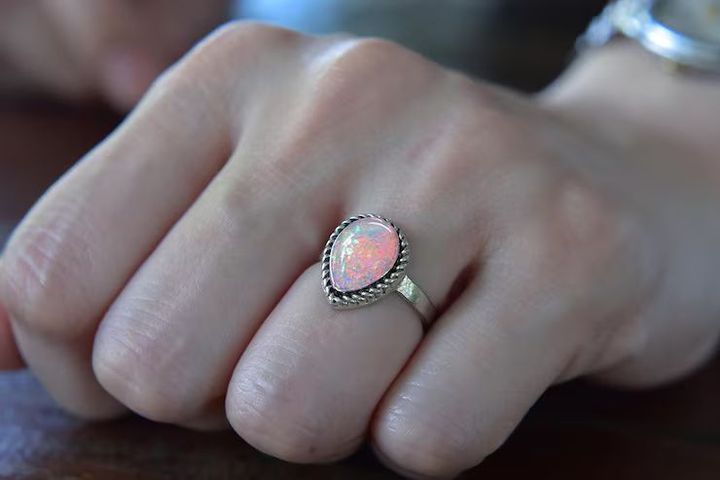
thumb ring can be a simple band, a detailed decorative piece, or a design incorporating patterns, stones, engravings, or other elements. Because the thumb is shaped differently from other fingers, fit and comfort are important factors when choosing a ring for this position.
History and Cultural Background
Thumb rings have appeared in various historical traditions. In some cultures, rings worn on the thumb were associated with archery, status, identity, or personal symbolism. Historical examples include thumb guards and rings used in archery traditions, particularly in parts of Asia and the Middle East.
Modern thumb rings are generally worn as accessories. Their meaning can depend on personal preference, cultural background, design, and context rather than following one universal interpretation.
How Thumb Rings Differ From Other Rings
The thumb is wider at the base and has a larger joint structure than many other fingers. It also moves more extensively, which means a ring must allow sufficient movement without being excessively loose.
Thumb rings may therefore have slightly different proportions or internal shapes compared with conventional rings. Wider designs can create a stronger visual appearance but may require more attention to sizing and comfort.
Importance
Thumb rings are relevant to people interested in jewelry styling, personal expression, cultural traditions, and different forms of ring design. Their placement can change the overall appearance of a hand and can complement other accessories.
Understanding the characteristics of thumb rings also helps explain why a ring that fits one finger may not fit comfortably on the thumb. Factors such as circumference, knuckle width, ring thickness, interior shape, and daily activities can affect the wearing experience.
Comfort and Movement
A well-fitting thumb ring should allow normal thumb movement without creating excessive pressure. A ring that is too tight may feel restrictive, particularly around the thumb joint, while one that is too loose may rotate frequently or slip during movement.
The width of the band also affects comfort. A narrow band generally allows more flexibility, while a wide band occupies more surface area around the thumb.
Styling and Personal Expression
Thumb rings can be incorporated into casual, formal, traditional, or contemporary styles. A plain metal band may create a simple appearance, while engraved or textured designs can provide more visual detail.
Some people wear a single thumb ring, while others combine it with rings on different fingers. When multiple rings are worn together, spacing, metal appearance, proportions, and overall design can affect the visual balance.
Common Considerations
Before selecting a thumb ring, readers commonly consider:
- Ring size and thumb circumference
- Band width and thickness
- Material and durability
- Surface finish
- Design complexity
- Presence of stones or decorative elements
- Ease of movement
- Compatibility with other jewelry
- Intended frequency of wear
- Personal style and cultural preferences
Recent Updates
From 2024 through 2026, jewelry design has continued to include a wide variety of personalized, minimalist, textured, and mixed-material approaches. Thumb rings have appeared in designs ranging from simple bands to pieces featuring engraved patterns, geometric shapes, layered surfaces, and contrasting finishes.
Customization and personalization have also remained relevant in jewelry design. Engraving, initials, symbols, dates, and other decorative details can make a ring visually distinctive while maintaining the basic structure of a traditional band.
Minimalist Designs
Minimalist thumb rings generally use simple shapes, smooth surfaces, and limited decoration. Narrow or moderately sized bands can be suitable for people who prefer a less prominent appearance.
Textured and Geometric Designs
Hammered finishes, grooves, ridges, geometric patterns, and irregular surfaces can add visual depth to a thumb ring. These designs may also create different reflections as the ring moves.
Mixed Materials
Some contemporary designs combine different metals or incorporate materials such as ceramic, wood, enamel, or synthetic elements. Material combinations can change the appearance, weight, texture, and maintenance requirements of a ring.
Personalization
Engraving and custom patterns remain common design approaches. Text may include initials, dates, names, symbols, or short phrases, depending on the available surface area and design.
Laws or Policies
Jewelry is subject to consumer protection, hallmarking, labeling, and material-related requirements that can vary by country. In India, precious-metal jewelry and related products are regulated through the Bureau of Indian Standards framework, including hallmarking requirements for applicable categories.
BIS explains that hallmarking provides an official record of the purity or fineness of precious-metal articles. The Indian hallmarking system covers gold and silver articles under applicable requirements.
For gold jewelry, BIS describes hallmark components that can include the BIS Standard Mark, purity or fineness grade, and identification information associated with the registered jeweler and testing or hallmarking process.
Consumers should distinguish between a decorative thumb ring made from ordinary materials and one represented as a precious-metal article. Applicable marking and regulatory requirements depend on the material, product category, and jurisdiction.
Tools and Resources
Several practical resources can help readers understand thumb rings, sizing, materials, and jewelry standards.
Ring Size Guides
Ring-size charts can help estimate the internal circumference or diameter required for a particular finger. Because thumbs can differ significantly in size between hands, measurements should be taken from the specific thumb on which the ring is intended to be worn.
Measurement Tools
A ring-sizing tool or measuring strip can provide a more structured measurement than estimating size visually. Measurements should account for the widest part of the thumb that the ring must pass over.
Material Information
Material references can explain differences between gold, silver, platinum, stainless steel, titanium, ceramic, and other materials. Important characteristics include hardness, weight, corrosion resistance, surface appearance, and maintenance requirements.
BIS Resources
The Bureau of Indian Standards provides information about hallmarking, precious-metal purity, standards, and related consumer guidance in India. These resources can help readers understand markings found on applicable gold and silver jewelry.
Basic Thumb Ring Measurement Table
| Measurement factor | What it indicates |
|---|---|
| Thumb circumference | The distance around the thumb |
| Inner diameter | Width across the inside of the ring |
| Knuckle width | The widest section the ring must pass over |
| Band width | How much of the thumb surface the ring covers |
| Ring thickness | The physical depth of the band |
| Interior shape | Whether the inside is flat, rounded, or contoured |
Measurements should be taken carefully because even a small difference can affect how a thumb ring feels during movement.
FAQs
What is a thumb ring?
A thumb ring is a ring specifically worn on the thumb. It can be made from metals, ceramic, wood, or other materials and may feature plain, textured, engraved, or decorative designs.
How should a thumb ring fit?
A thumb ring should sit securely while allowing normal movement. It should pass over the thumb joint without excessive force and should not create persistent pressure or discomfort.
What materials are used for thumb rings?
Common materials include gold, silver, platinum, stainless steel, titanium, ceramic, wood, and various synthetic materials. Material characteristics can affect weight, appearance, durability, and maintenance.
What are popular thumb ring designs?
Common designs include plain bands, engraved rings, textured surfaces, geometric patterns, hammered finishes, signet-style shapes, and rings incorporating decorative stones or contrasting materials.
How do you measure a thumb for a ring?
Measure the circumference of the intended thumb, including consideration of the knuckle area through which the ring must pass. A ring-sizing tool can provide a more consistent measurement than visual estimation.
Conclusion
Thumb rings combine traditional ring forms with a distinctive placement on the hand. Their styles can range from simple bands to detailed designs using different materials, textures, patterns, and decorative elements. Fit, thumb movement, material characteristics, band dimensions, and personal preferences are important considerations when evaluating a thumb ring. Understanding these factors provides a clearer basis for comparing different designs and selecting an appropriate fit.