A Complete Guide to Food Processing Machines: Types, Uses, and Selection Tips
Food processing machines play an important role in modern food production, helping transform raw ingredients into consumable products. From simple cutting tools to advanced automated systems, these machines support activities such as cleaning, sorting, grinding, mixing, cooking, and packaging. The development of these machines has evolved alongside the growth of food industries, where efficiency, hygiene, and consistency are essential.
In both small kitchens and large manufacturing facilities, food processing machines reduce manual effort and improve output quality. They are used across sectors including dairy, grains, fruits, vegetables, meat, and packaged foods. As food demand continues to increase globally, these machines help meet production needs while maintaining safety standards.
Understanding the different types, uses, and selection tips for food processing machines can help individuals and businesses make informed decisions. This guide explains the key concepts in a simple and accessible way.
Importance
Food processing machines are relevant in everyday life because they support the production of safe and consistent food products. Whether it is flour, packaged snacks, or beverages, most items undergo some level of processing before reaching consumers.
These machines address several challenges. First, they improve efficiency by handling repetitive tasks faster than manual labor. Second, they enhance hygiene by reducing direct human contact with food. Third, they help maintain uniformity in size, texture, and taste.
For small-scale producers, food processing machines can simplify operations such as slicing or grinding. For large-scale industries, automated systems allow continuous production with minimal interruption. In both cases, the goal is to maintain food quality while managing time and resources effectively.
Types of Food Processing Machines
Food processing machines vary depending on their function. Each type is designed to perform specific tasks within the food production cycle.
Preparation Machines
Preparation machines handle the initial stages of food processing. These include cleaning, peeling, and cutting raw materials.
Common examples include washing units, peelers, slicers, and cutters. These machines help remove impurities and prepare ingredients for further processing. They are widely used in fruit and vegetable processing.
Size Reduction Machines
Size reduction machines break down food into smaller pieces or powders. This category includes grinders, crushers, and mills.
For instance, grain mills convert wheat into flour, while grinders are used for spices or meat. These machines help achieve the desired texture and consistency required for different food products.
Mixing and Blending Machines
Mixing machines combine ingredients to create uniform mixtures. They are used in baking, dairy, and processed food industries.
Examples include mixers, blenders, and homogenizers. These machines ensure that ingredients are evenly distributed, which is important for taste and texture.
Heat Processing Machines
Heat processing machines use temperature to cook, pasteurize, or sterilize food. These machines are essential for extending shelf life and ensuring food safety.
Examples include ovens, fryers, steamers, and pasteurization units. Heat treatment can reduce harmful microorganisms and improve product stability.
Packaging Machines
Packaging machines prepare food products for storage and distribution. They include sealing, filling, and labeling equipment.
These machines help protect food from contamination and maintain freshness. Proper packaging also improves product handling and transportation.
Comparison of Machine Types
| Machine Type | Main Function | Common Use Cases |
|---|---|---|
| Preparation Machines | Cleaning and cutting | Fruits, vegetables |
| Size Reduction Machines | Grinding and crushing | Grains, spices, meat |
| Mixing Machines | Blending ingredients | Bakery, dairy |
| Heat Processing | Cooking and sterilizing | Packaged foods, beverages |
| Packaging Machines | Sealing and labeling | All processed food products |
Uses of Food Processing Machines
Food processing machines are used in various stages of food production. Their applications depend on the type of food and the desired final product.
Household and Small-Scale Use
In homes and small kitchens, basic machines like mixers, grinders, and slicers are commonly used. These tools simplify daily cooking tasks and save time.
Small food businesses may use compact machines for preparing snacks, juices, or baked goods. These machines help maintain consistency and reduce manual effort.
Industrial Applications
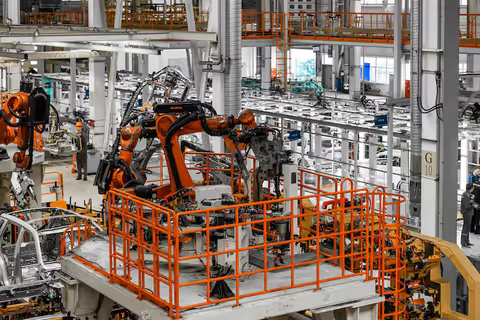
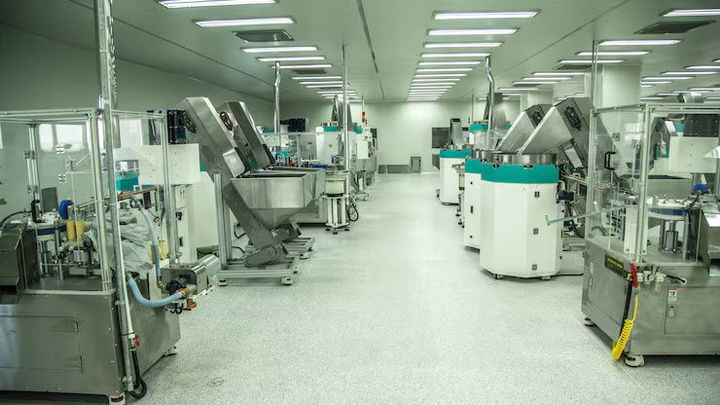
Large food industries rely on advanced food processing machines for mass production. Automated systems can handle continuous operations, from raw material input to final packaging.
Industries such as dairy processing, beverage production, and frozen food manufacturing depend on specialized equipment. These machines ensure that products meet safety and quality standards.
Specialized Uses
Certain food processing machines are designed for specific products. For example:
- Dairy equipment is used for milk processing, including pasteurization and homogenization
- Meat processing machines handle cutting, grinding, and shaping
- Grain processing machines convert cereals into flour or other products
These specialized machines support the unique requirements of different food categories.
Selection Tips for Food Processing Machines
Choosing the right food processing machines depends on several practical factors. Understanding these considerations can help avoid operational issues later.
Production Capacity
Production capacity refers to the amount of food a machine can process within a given time. Small-scale users may require lower capacity machines, while industries need high-capacity systems.
Selecting a machine that matches production needs helps maintain efficiency without overloading equipment.
Type of Food Product
Different foods require different processing methods. For example, soft fruits need gentle handling, while grains require strong grinding equipment.
It is important to select machines designed for specific food types to ensure proper processing and avoid damage.
Material and Hygiene Standards
Food processing machines are typically made from materials like stainless steel to prevent contamination. Smooth surfaces and easy cleaning features help maintain hygiene.
Machines used in food production must meet basic cleanliness requirements to ensure safe handling of ingredients.
Energy Consumption
Energy use is an important factor in machine selection. Efficient machines help reduce overall operational load.
Users often consider power requirements and compatibility with available energy sources before choosing equipment.
Maintenance Requirements
Regular maintenance helps keep machines functioning properly. Machines with simple designs and accessible parts are easier to maintain.
Understanding maintenance needs can help prevent downtime and ensure long-term usability.
Recent Updates
Food processing machines have seen gradual improvements in automation and digital integration. Smart technologies are being introduced to monitor performance, track production data, and detect faults.
Automation has increased the use of sensors and control systems that adjust machine operations in real time. This helps improve precision and reduce errors.
There is also a growing focus on energy-efficient designs and environmentally conscious processing methods. Machines are being developed to minimize waste and reduce resource consumption.
Another noticeable trend is the use of compact and modular machines, especially for small businesses. These designs allow flexible production setups and easier scaling.
Laws or Policies
Food processing machines are influenced by regulations related to food safety and manufacturing standards. In many countries, including India, authorities set guidelines to ensure that food production remains safe for consumption.
Regulations often focus on hygiene, material safety, and proper handling of food. Machines must be designed to prevent contamination and allow thorough cleaning.
Government bodies may also require compliance with quality standards for processed food products. This includes proper labeling, storage conditions, and packaging requirements.
In addition, workplace safety rules apply to the operation of food processing machines. These rules aim to protect operators from accidents and ensure safe working environments.
Tools and Resources
Several tools and resources can help individuals understand and manage food processing machines more effectively.
- Equipment manuals and user guides provide instructions on operation and maintenance
- Industry guidelines and safety standards documents explain compliance requirements
- Online calculators can help estimate production capacity and energy usage
- Training materials and educational platforms offer knowledge about machine handling and food safety
- Maintenance checklists help track regular inspections and servicing tasks
These resources support better understanding and proper use of food processing machines.
FAQs
What are food processing machines used for?
Food processing machines are used to transform raw ingredients into finished or semi-finished food products. They perform tasks such as cutting, grinding, mixing, cooking, and packaging.
How many types of food processing machines are there?
There are several types of food processing machines, including preparation machines, size reduction machines, mixing equipment, heat processing units, and packaging machines. Each type serves a specific function in the production process.
How do I choose suitable food processing machines?
Selection depends on factors such as production capacity, type of food product, hygiene standards, energy requirements, and maintenance needs. Matching these factors with your requirements helps ensure proper functioning.
Are food processing machines safe to use?
Food processing machines are generally safe when used according to guidelines. Proper handling, regular maintenance, and adherence to safety instructions are important for safe operation.
Can food processing machines improve food quality?
Yes, these machines can help maintain consistency in texture, size, and processing conditions. They also reduce contamination risks by limiting direct human contact with food.
Conclusion
Food processing machines are an essential part of modern food production, supporting efficiency, hygiene, and consistency. They are used across various stages, from preparation to packaging, and serve both small and large-scale needs. Understanding the different types and their uses helps in making informed decisions. By considering practical factors such as capacity, hygiene, and maintenance, users can select suitable machines for their requirements.