A Complete Guide to High-Quality Cables: Types, Applications, and Benefits
High-quality cables play an essential role in modern life, connecting devices, transmitting power, and enabling communication across homes, offices, and industries. From charging a mobile phone to supporting large-scale infrastructure, cables are a foundational part of electrical and digital systems. Over time, advancements in materials and design have led to improved durability, efficiency, and safety.
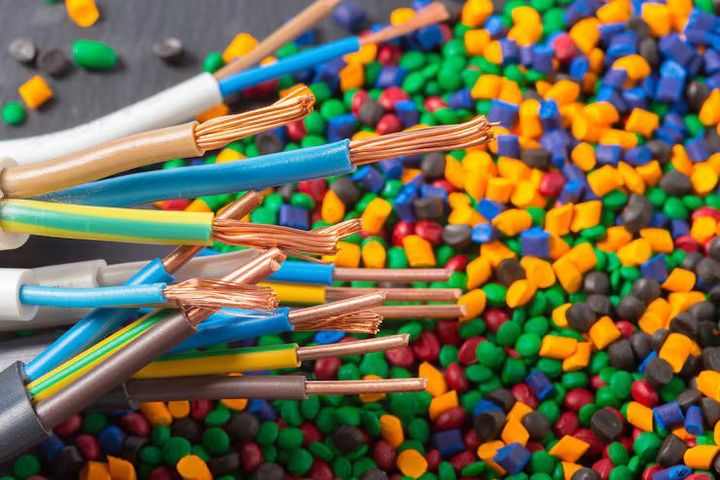
Cables are made up of conductors, insulation, and protective layers. The conductor, often copper or aluminum, carries electrical signals or power. The insulation prevents leakage and protects users from electrical hazards. Additional shielding or outer jackets may be included to protect against environmental factors such as heat, moisture, or mechanical stress.
The need for different types of cables arises from varying applications. For example, a cable used for internet connectivity differs significantly from one used in heavy industrial machinery. Understanding these differences helps individuals and organizations select appropriate solutions for their specific requirements.
Importance
High-quality cables are important because they ensure safe and reliable performance across a wide range of applications. Poor-quality or unsuitable cables can lead to issues such as overheating, signal loss, or system failure. These problems can affect everyday activities, from interrupted internet connections to malfunctioning appliances.
In households, cables support essential devices like televisions, routers, and kitchen appliances. In workplaces, they enable communication networks, data transfer, and equipment operation. Industrial environments rely on specialized cables to handle higher loads and harsher conditions.
The relevance of cables has increased with the growth of digital infrastructure. As more devices become interconnected, the demand for stable and efficient connectivity continues to rise. High-quality cables help maintain performance standards and reduce the likelihood of disruptions.
Recent Updates
Recent years have seen notable developments in cable technology. One key trend is the growing use of advanced materials that enhance durability and flexibility. These materials help cables withstand extreme temperatures and environmental stress, making them suitable for diverse applications.
Another development is the expansion of high-speed data transmission technologies. Fiber optic cables, for instance, are becoming more widely used due to their ability to transmit data over long distances with minimal loss. This is particularly relevant for internet infrastructure and data centers.
Sustainability has also become a focus area. Manufacturers are exploring recyclable materials and energy-efficient production processes. Additionally, there is an increasing emphasis on reducing electromagnetic interference, which improves signal clarity in densely connected environments.
Smart infrastructure is another emerging trend. Cables are now being integrated into systems that monitor performance and detect faults. This allows for early identification of issues and helps maintain system reliability.
Laws or Policies
Cables are subject to various regulations and standards to ensure safety and performance. These rules are typically established by national and international organizations and may vary by region.
In many countries, electrical cables must comply with safety standards that define insulation quality, fire resistance, and load capacity. These standards help prevent accidents such as electrical fires or equipment damage.
Environmental regulations also influence cable manufacturing. Guidelines may require the use of materials that reduce environmental impact and limit hazardous substances. This aligns with broader sustainability goals and public safety concerns.
Certification and testing are often mandatory before cables can be used in certain applications. These processes verify that the cables meet required specifications and perform reliably under defined conditions.
Tools and Resources
Several tools and resources can help individuals and organizations understand and work with cables more effectively. These tools provide guidance on selection, installation, and maintenance.
Common tools and resources include:
- Cable sizing calculators, which estimate the appropriate cable size based on load and distance
- Voltage drop calculators, which help determine how much voltage is lost over a cable length
- Technical standards documents, which outline safety and performance requirements
- Educational websites and guides, which explain different cable types and their uses
- Wiring diagrams and templates, which assist in planning installations
These resources can support informed decision-making and help reduce errors during setup and usage.
Types and Applications of High-Quality Cables
Understanding the types of cables and their applications is key to selecting the right option for a specific purpose. Each type is designed to meet particular performance and environmental requirements.
Common Cable Types
The following table summarizes several widely used cable types and their typical applications:
| Cable Type | Main Use | Key Feature |
|---|---|---|
| Power cables | Electrical power transmission | High load capacity |
| Coaxial cables | Television and internet signals | Shielding against interference |
| Fiber optic cables | High-speed data transmission | Minimal signal loss over distance |
| Ethernet cables | Local area networks | Reliable data connectivity |
| Control cables | Industrial automation systems | Signal control and monitoring |
Applications Across Sectors
High-quality cables are used in a variety of settings:
- In homes, they connect appliances, entertainment systems, and internet devices
- In offices, they support communication networks and data systems
- In industries, they enable machinery operation and automation processes
- In transportation, they are used in vehicles and infrastructure systems
- In telecommunications, they form the backbone of data transmission networks
Each application requires specific characteristics, such as resistance to heat, flexibility, or shielding against interference.
Benefits of High-Quality Cables
High-quality cables provide several advantages that contribute to efficient and safe operations. These benefits are relevant across both everyday and specialized applications.
Key benefits include:
- Improved safety, as proper insulation and materials reduce the risk of electrical hazards
- Enhanced performance, with stable signal transmission and minimal interference
- Longer lifespan, due to durable construction and resistance to environmental factors
- Reduced maintenance needs, as reliable cables are less prone to faults
- Better compatibility with modern technologies, supporting advanced systems and devices
These factors make high-quality cables an important component in maintaining system reliability and efficiency.
FAQs
What are high-quality cables and why are they important?
High-quality cables are designed with durable materials and reliable construction to ensure safe and efficient transmission of power or data. They are important because they help prevent issues such as signal loss, overheating, and equipment damage.
What are the main types of high-quality cables?
The main types include power cables, fiber optic cables, Ethernet cables, coaxial cables, and control cables. Each type serves a specific purpose, such as transmitting electricity, data, or signals in different environments.
How are high-quality cables used in everyday applications?
High-quality cables are used in homes for powering appliances and connecting devices, in offices for networking systems, and in industries for operating machinery and automation systems.
What factors affect the performance of high-quality cables?
Performance depends on factors such as material quality, insulation, cable length, and environmental conditions. Proper installation and usage also play a role in maintaining efficiency.
Are there standards for high-quality cables?
Yes, cables must meet certain safety and performance standards set by regulatory organizations. These standards ensure that cables function reliably and reduce the risk of hazards.
Conclusion
High-quality cables are a fundamental part of modern infrastructure, supporting both power distribution and data communication. Their design and materials have evolved to meet the demands of diverse applications, from household use to industrial systems. Understanding the types, applications, and benefits of cables helps in making informed choices and maintaining system reliability. As technology continues to develop, cables remain an essential component in enabling connectivity and functionality.