A Complete Guide to Industrial Tanks: Uses, Materials, and Maintenance
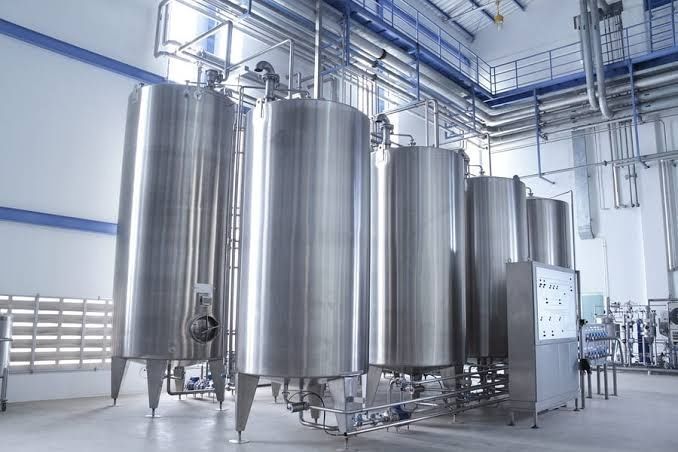
Industrial tanks are an important part of many industries. They safely hold liquids, gases, powders, and other materials used during production, storage, and transportation. Whether in a manufacturing plant, water treatment facility, food processing operation, or chemical plant, these tanks help keep processes organized and efficient. Although many people rarely notice them, industrial tanks support everyday activities behind the scenes.
They store drinking water, raw materials, fuel, edible oils, cleaning solutions, and many other substances that industries depend on. Since every material has different storage requirements, tanks are available in various sizes, shapes, and materials.
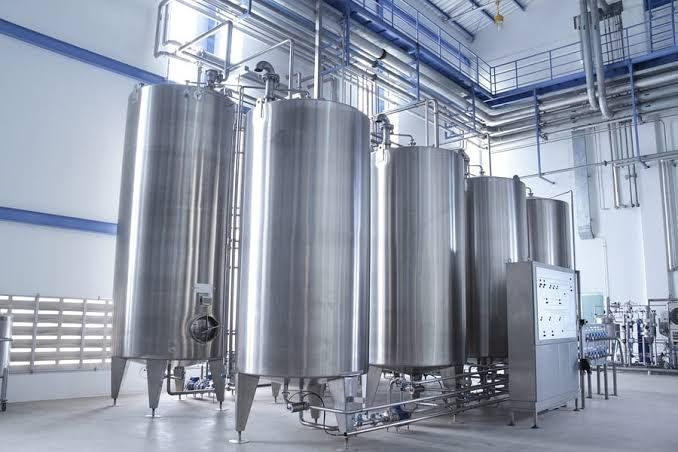
This guide explains what industrial tanks are, their common types, the materials used to construct them, where they are used, and how regular maintenance supports long-term performance.
What Are Industrial Tanks?
Industrial tanks are large containers designed to store or process different materials. Depending on the application, they may be installed above ground, underground, indoors, or outdoors.
Some tanks simply store materials until they are needed, while others play an active role in production by mixing, heating, cooling, or separating substances. Their design depends on the material being stored, operating conditions, temperature, pressure, and environmental factors.
Modern industrial tanks are engineered to meet strict safety and quality standards while supporting efficient operations.
Common Types of Industrial Tanks
Industrial tanks come in many designs, each suited for specific purposes.
Storage Tanks
Storage tanks hold liquids or gases before they move to another stage of production or distribution. These are among the most common tanks found across industries.
They may store:
- Water
- Fuel
- Chemicals
- Food ingredients
- Oils
- Wastewater
Storage tanks can range from small indoor units to very large outdoor installations.
Mixing Tanks
Mixing tanks combine two or more materials into a uniform mixture. Many include mechanical mixers or agitators that keep ingredients evenly blended.
These tanks are widely used in:
- Food processing
- Pharmaceutical manufacturing
- Chemical production
- Cosmetics manufacturing
Pressure Tanks
Pressure tanks are designed to contain materials under controlled pressure. They require stronger construction than standard storage tanks because they operate under demanding conditions.
They are commonly used for compressed gases, water systems, and industrial processing.
Process Tanks
Process tanks are integrated into manufacturing systems where materials are heated, cooled, reacted, or treated during production.
Unlike simple storage tanks, these containers support ongoing industrial operations.
Water Tanks
Water tanks store clean water, recycled water, or process water used in industrial facilities. Depending on the application, they may also support cooling systems or fire protection.
Materials Used in Industrial Tanks
Selecting the right construction material depends on the substance being stored and the operating environment.
Stainless Steel
Stainless steel is widely used because it resists corrosion and is easy to keep clean. It performs well in industries where hygiene is important, including food processing and pharmaceuticals.
Its durability also makes it suitable for many chemical applications.
Carbon Steel
Carbon steel is commonly used for storing petroleum products, fuels, and certain industrial liquids.
It provides high structural strength but may require protective coatings in environments where corrosion is a concern.
Fiberglass Reinforced Plastic (FRP)
FRP tanks are lightweight and resistant to many chemicals. They are frequently found in water treatment facilities and chemical processing plants.
Their corrosion resistance makes them suitable for challenging environments.
Polyethylene
Polyethylene tanks are popular for storing water, agricultural liquids, and certain chemicals.
They are lightweight, durable, and available in many sizes.
Concrete
Concrete tanks are commonly used for wastewater treatment, municipal water storage, and other large-scale applications where long-term durability is important.
Common Shapes of Industrial Tanks
Tank shape affects storage capacity, structural strength, and installation requirements.
Vertical Tanks
Vertical tanks require less ground space and are often used where land availability is limited.
They are common for:
- Water storage
- Chemical storage
- Fuel storage
Horizontal Tanks
Horizontal tanks provide easier transportation and are often installed where height restrictions exist.
They are commonly used for fuel and portable storage systems.
Cylindrical Tanks
The cylindrical design distributes internal pressure evenly, making it one of the most widely used tank shapes.
Rectangular Tanks
Rectangular tanks fit well inside buildings and are often selected for wastewater treatment or specialized industrial processes.
Industries That Use Industrial Tanks
Industrial tanks support a wide range of industries.
Manufacturing
Manufacturing facilities use tanks for storing raw materials, cooling fluids, cleaning solutions, and finished products.
Water Treatment
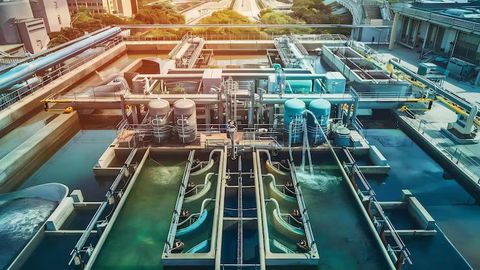
Water treatment plants rely on tanks throughout the purification process, including storage, filtration, sedimentation, and wastewater handling.
Food Processing
Food production facilities use tanks for ingredients such as milk, edible oils, beverages, syrups, and other food-grade liquids.
These tanks are designed to support cleanliness and consistent product quality.
Chemical Processing
Chemical facilities use specialized tanks designed for materials with varying levels of acidity, alkalinity, or reactivity.
Proper material selection helps maintain safe storage conditions.
Agriculture
Agricultural operations use tanks for irrigation water, liquid fertilizers, and crop protection solutions.
Large storage capacity supports seasonal demand.
Energy
Power generation facilities use tanks for cooling water, fuel storage, lubricants, and other operational fluids.
Important Features of Industrial Tanks
Industrial tanks often include additional components that improve safety and efficiency.
Common features include:
- Level indicators
- Temperature monitoring
- Pressure gauges
- Access openings for inspection
- Drain outlets
- Overflow protection
- Ventilation systems
- Mixing equipment
- Internal coatings
- External insulation
The combination of features depends on the intended application.
Factors to Consider When Selecting an Industrial Tank
Several practical considerations help determine which tank design is appropriate.
Storage Capacity
The tank should accommodate both current and expected future storage needs.
Material Compatibility
The tank material should be suitable for the substance being stored to reduce corrosion or contamination.
Operating Conditions
Temperature, pressure, and environmental exposure influence material selection and structural design.
Installation Location
Available space, accessibility, and local environmental conditions affect whether a vertical, horizontal, above-ground, or underground installation is appropriate.
Maintenance Requirements
A design that allows routine inspections and cleaning can simplify long-term maintenance.
Maintenance of Industrial Tanks
Routine maintenance helps keep industrial tanks operating safely and efficiently.
Regular maintenance may include:
- Visual inspections
- Cleaning internal surfaces
- Checking valves and fittings
- Monitoring for corrosion
- Examining welds and joints
- Inspecting support structures
- Testing gauges and sensors
- Confirming proper ventilation
Maintenance schedules vary depending on tank material, stored substance, and operating conditions.
Safety Considerations
Safety is an important aspect of industrial tank operation.
Facilities often establish procedures for:
- Regular inspections
- Leak detection
- Emergency response
- Pressure monitoring
- Safe access during maintenance
- Proper ventilation
- Secondary containment where appropriate
Personnel working around tanks also use protective equipment suitable for the stored material and operating environment.
Environmental Considerations
Industrial facilities increasingly focus on reducing environmental impact.
Many tanks now include features that help:
- Reduce accidental spills
- Improve leak detection
- Support water conservation
- Limit emissions
- Manage wastewater responsibly
Regular inspections and proper maintenance also contribute to environmental protection by identifying potential issues before they become significant.
The Future of Industrial Tanks
Industrial tank technology continues to evolve with advancements in monitoring and automation.
Many modern systems incorporate digital sensors that track liquid levels, temperature, and pressure in real time. Remote monitoring allows operators to observe tank conditions without frequent manual inspections.
New materials and protective coatings are also improving durability while reducing maintenance requirements. As industries continue adopting smarter technologies, industrial tanks will remain an essential part of safe and efficient operations.
Conclusion
Industrial tanks are fundamental components across manufacturing, water treatment, agriculture, food production, chemical processing, and energy industries. Their ability to safely store and manage a wide variety of materials supports reliable industrial operations every day.
Because every application has unique requirements, tanks are available in different materials, shapes, and configurations. Understanding these differences helps organizations choose equipment that matches their operating conditions and storage needs.
With regular inspections, thoughtful maintenance, and appropriate safety practices, industrial tanks can continue supporting industrial processes for many years while contributing to efficient and responsible operations.