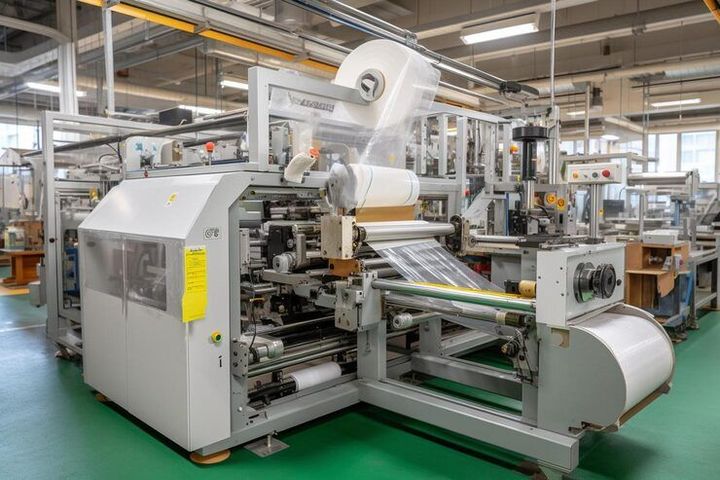
A Practical Guide to Wrapping Machines in Packaging and Logistics
Wrapping machines play an important role in the packaging process used across many industries. From food products and household items to industrial materials and shipping pallets, these machines help protect goods during storage, handling, and transportation. While many people encounter wrapped products every day, few stop to consider the equipment behind the process.
As packaging needs have grown, wrapping machines have evolved from basic mechanical systems into highly efficient tools capable of handling large volumes of products. They help maintain consistency, reduce manual effort, and improve packaging quality. Whether used in a small workshop or a large manufacturing facility, wrapping machines contribute to smoother operations and better product protection.
This guide explains what wrapping machines are, how they work, the different types available, their applications, advantages, limitations, and factors to consider when selecting suitable equipment.
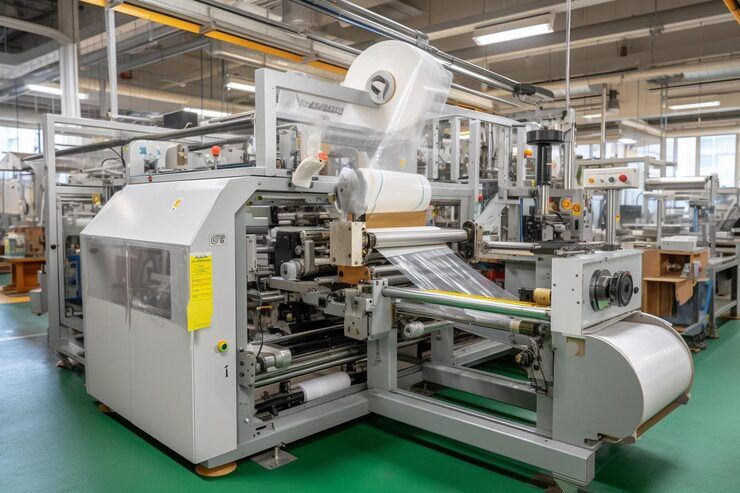
What Is a Wrapping Machine?
A wrapping machine is a piece of equipment designed to cover, secure, or enclose products using packaging materials such as plastic film, stretch film, shrink film, paper, or other protective materials.
The main purpose of wrapping is to protect products from dust, moisture, physical damage, and environmental exposure. In many cases, wrapping also helps keep multiple items together, making them easier to transport and store.
Wrapping machines are used in industries including food processing, pharmaceuticals, logistics, manufacturing, retail, agriculture, and consumer goods production.
How Wrapping Machines Work
Although designs vary, most wrapping machines follow a similar process:
- A product or group of products is placed on the machine.
- Wrapping material is positioned around the item.
- The machine applies the material using automated or semi-automated mechanisms.
- The wrapping is secured through heat, tension, sealing, or other methods.
- The finished package moves to the next stage of handling or distribution.
Modern systems often include sensors and controls that help maintain consistency throughout the packaging process.
Common Types of Wrapping Machines
Different products require different wrapping methods. As a result, several categories of wrapping machines are commonly used.
Stretch Wrapping Machines
Stretch wrapping machines use stretchable plastic film to secure products. The film is stretched as it is applied, creating tension that holds items together.
These machines are frequently used for palletized loads in warehouses and distribution centers. Stretch wrapping helps stabilize products during transportation and reduces the risk of shifting.
Shrink Wrapping Machines
Shrink wrapping machines use heat-sensitive film. After the film is placed around a product, heat causes the material to shrink tightly around the item.
This type of wrapping is commonly seen on packaged food products, books, electronics, and multipacks of consumer goods.
Orbital Wrapping Machines
Orbital wrapping machines are designed for long or irregularly shaped products. The wrapping material rotates around the item while it moves through the machine.
Industries handling pipes, lumber, metal profiles, and construction materials often use this wrapping method.
Horizontal Wrapping Machines
Horizontal wrapping machines package products that move through the equipment on a conveyor system.
They are often used for bakery products, snacks, medical supplies, and other items requiring individual packaging.
Vertical Wrapping Machines
Vertical wrapping machines package products from above. Products are typically dropped into formed packaging material before sealing.
This method is commonly used for powders, grains, coffee, snacks, and similar products.
Applications Across Industries
Wrapping machines support a wide variety of industries and packaging requirements.
Food and Beverage
Food manufacturers use wrapping equipment to protect products, maintain cleanliness, and improve shelf presentation. Snacks, frozen foods, baked goods, and bottled beverages often undergo automated wrapping.
Pharmaceutical Industry
Medical products require secure and consistent packaging. Wrapping equipment helps protect medicines, healthcare supplies, and diagnostic products during distribution.
Logistics and Warehousing
Distribution centers rely on wrapping machines to secure pallet loads before transportation. Stable loads are easier to move and less likely to experience damage during transit.
Manufacturing
Factories use wrapping equipment to package finished products and protect components before shipment.
Agriculture
Agricultural businesses use wrapping machines for items such as hay bales, produce packaging, and other farm-related applications.
Advantages of Wrapping Machines
The growing use of wrapping equipment is linked to several practical benefits.
Improved Product Protection
Wrapping creates a protective barrier against dust, moisture, and handling-related damage. This helps maintain product condition throughout storage and transportation.
Consistent Packaging
Machines apply wrapping materials in a uniform manner. Consistency contributes to improved appearance and more predictable packaging quality.
Reduced Manual Effort
Automated equipment reduces the need for repetitive manual wrapping tasks. This can help streamline packaging operations.
Enhanced Efficiency
Wrapping machines can process products more quickly than manual methods, making them useful for environments handling larger volumes.
Better Load Stability
For palletized shipments, stretch wrapping helps keep products securely grouped during movement and transportation.
Challenges and Limitations
While wrapping machines provide many benefits, there are also considerations to keep in mind.
Material Usage
Packaging materials must be managed carefully to minimize waste and support sustainability goals.
Maintenance Requirements
Like most industrial equipment, wrapping machines require regular inspection and maintenance to operate effectively.
Product Compatibility
Not every machine is suitable for every product type. Different shapes, sizes, and materials may require specific wrapping solutions.
Training Needs
Operators may need instruction on machine settings, safety procedures, and routine maintenance tasks.
Sustainability and Environmental Considerations
Environmental awareness has influenced packaging practices worldwide. Many organizations are exploring ways to reduce packaging waste while maintaining product protection.
Several developments are shaping the future of wrapping technology:
- Recyclable packaging materials
- Reduced film thickness designs
- Improved material efficiency
- Energy-conscious equipment
- Alternative packaging materials
These approaches aim to balance operational needs with environmental responsibility.
Factors to Consider When Choosing a Wrapping Machine
Selecting appropriate wrapping equipment depends on several factors.
Product Dimensions
The size, shape, and weight of products influence machine selection. Equipment should accommodate expected packaging requirements.
Production Volume
Facilities handling larger quantities may require more automated solutions, while smaller operations may prefer simpler systems.
Packaging Material
Different machines are designed for specific wrapping materials. Understanding material compatibility is important when evaluating options.
Available Space
Machine dimensions should align with available floor space and existing workflow layouts.
Future Expansion
Organizations often consider potential growth when evaluating equipment. Flexible systems may adapt more easily to changing production needs.
The Future of Wrapping Machines
Technology continues to shape the packaging industry. New developments focus on improving efficiency, accuracy, and sustainability.
Emerging trends include:
- Smart monitoring systems
- Automated performance tracking
- Advanced sensor technology
- Data-driven maintenance planning
- Improved material optimization
As packaging requirements evolve, wrapping machines are expected to become more connected, adaptable, and environmentally conscious.
Conclusion
Wrapping machines are an essential part of modern packaging operations. They help protect products, improve consistency, support efficient workflows, and enhance load stability during storage and transportation. From stretch wrapping and shrink wrapping to specialized orbital systems, different machine types serve a wide range of industries and applications.
Understanding how wrapping machines work, where they are used, and what factors influence equipment selection can help businesses and individuals make informed packaging decisions. As technology advances and sustainability remains a priority, wrapping equipment will continue to play an important role in meeting the changing needs of manufacturing, logistics, agriculture, healthcare, and consumer goods industries.