Agricultural Soil Sensors Guide: Basics, Benefits, Tips and Insights for Smart Farming
Agricultural soil sensors are digital monitoring devices used to measure soil conditions such as moisture, temperature, salinity, and nutrient levels. These sensors help farmers and agricultural researchers understand soil health and make informed decisions about irrigation, fertilization, and crop management.
In modern agriculture, soil conditions can change rapidly due to weather, irrigation patterns, and farming practices. Traditional observation methods often rely on manual checks or periodic soil testing.
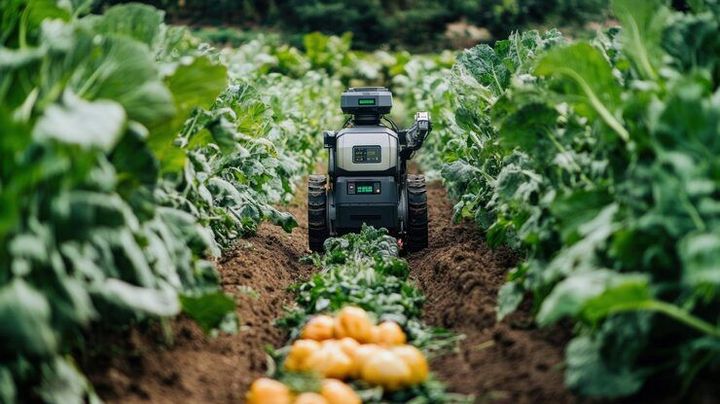
Agricultural soil sensors provide continuous, real-time data that improves accuracy and efficiency in crop management. These sensors are widely used in precision agriculture systems, where digital tools guide farming decisions.
Sensors are placed directly in the soil or connected to field monitoring stations. They transmit data to software platforms or mobile dashboards for analysis.
Key Parameters Measured by Soil Sensors
Agricultural soil sensors typically monitor:
- Soil moisture levels
- Soil temperature
- Electrical conductivity
- Nutrient concentration
- pH levels
By analyzing these measurements, farmers can better understand soil conditions and adjust their practices accordingly.
Why Agricultural Soil Sensors Matter Today
Agriculture today faces challenges such as climate variability, water scarcity, and increasing food demand. Soil sensors help improve resource management by providing accurate environmental data.
One major benefit is improved water management. Soil moisture sensors indicate when irrigation is needed, reducing water waste and maintaining optimal conditions.
Soil sensors also support soil health monitoring by tracking temperature, nutrients, and salinity. This helps identify issues early and prevent crop damage.
Key Benefits of Soil Sensors
- Improved irrigation efficiency
- Early detection of soil issues
- Better nutrient management
- Support for precision agriculture
- Reduced environmental impact
Stakeholders Impacted
Soil sensor technology benefits multiple groups:
- Farmers managing crop production
- Agricultural researchers
- Agri-tech developers
- Environmental organizations
- Government agricultural programs
Common Farming Challenges Addressed
- Over-irrigation or under-irrigation
- Uneven nutrient distribution
- Soil degradation
- Reduced crop productivity
Recent Developments in Soil Sensor Technology
Recent advancements in soil sensor systems focus on improving accuracy, connectivity, and integration with digital platforms.
In 2025, new multi-parameter sensors were introduced that measure multiple soil properties simultaneously. This reduces the need for multiple devices in one field.
Another trend is the integration of soil sensors with satellite monitoring systems. This combination provides both large-scale and localized data for better analysis.
Key Innovations
- AI-powered soil data analysis
- Wireless sensor networks
- Solar-powered monitoring systems
- Cloud-based dashboards
Machine learning is also being used to analyze soil data and predict crop stress conditions. Additionally, low-energy sensors are being developed for remote agricultural areas.
Regulations and Agricultural Programs
Soil sensor technology is influenced by environmental regulations and agricultural policies. Many governments promote precision agriculture to improve productivity and sustainability.
In India, smart agriculture initiatives encourage the use of digital tools for efficient resource management. These technologies help farmers comply with environmental standards.
Regulatory Focus Areas
- Preventing soil degradation
- Reducing chemical runoff
- Efficient irrigation management
- Environmental monitoring
International organizations like FAO emphasize soil health monitoring as a key part of sustainable agriculture.
Tools and Resources for Soil Monitoring
Various digital tools help interpret soil sensor data and support farming decisions. These tools often integrate weather data, satellite imagery, and crop models.
Common Tools Used
- Farm management software
- Weather monitoring systems
- Agricultural dashboards
- Irrigation scheduling tools
- Soil analytics platforms
Geographic Information Systems (GIS) are also used to visualize soil conditions across large areas.
Soil Sensor Types and Uses
| Sensor Type | Primary Measurement | Typical Use Case |
|---|---|---|
| Soil Moisture Sensor | Water content in soil | Irrigation management |
| Temperature Sensor | Soil temperature | Crop growth monitoring |
| Electrical Conductivity Sensor | Salinity and nutrient levels | Soil fertility analysis |
| pH Sensor | Soil acidity or alkalinity | Nutrient balance monitoring |
Example: Soil Moisture Monitoring Data
| Day | Soil Moisture Level (%) |
|---|---|
| Monday | 28 |
| Tuesday | 26 |
| Wednesday | 23 |
| Thursday | 21 |
| Friday | 25 |
This type of data helps farmers decide when irrigation is required to maintain optimal soil moisture.
Frequently Asked Questions
What are agricultural soil sensors used for?
Agricultural soil sensors measure soil conditions such as moisture, temperature, pH, and nutrients. This helps farmers manage crops more effectively.
How do soil sensors support precision agriculture?
They provide real-time data, allowing farmers to adjust irrigation and fertilization based on actual conditions instead of estimates.
Where are soil sensors placed?
Sensors are usually placed at root-zone depth where crops absorb water and nutrients. Multiple sensors may be used across fields.
Can soil sensors conserve water?
Yes, soil moisture sensors help reduce excessive watering by indicating when irrigation is necessary.
Do soil sensors require internet connectivity?
Many modern systems use wireless or IoT connectivity. Some store data locally and upload it later when a connection is available.
Conclusion
Agricultural soil sensors are becoming essential in modern farming. They provide continuous data that supports better decisions in irrigation, fertilization, and crop management.
These technologies play a key role in precision agriculture by improving efficiency and reducing resource waste. They also help address challenges like water management and soil health.
With advancements in AI, IoT, and satellite integration, soil sensors are becoming more powerful and accessible. As agriculture evolves, these tools will remain vital for sustainable and productive farming.