AI Operations SaaS Guide: Insights, Benefits, Trends, and Enterprise Adoption
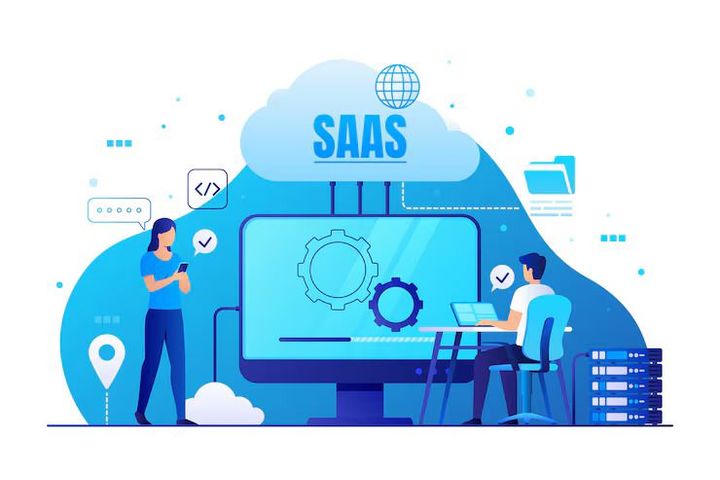
Artificial Intelligence Operations Software-as-a-Service (AI Operations SaaS), often referred to as AIOps SaaS, combines artificial intelligence, machine learning, cloud computing, and automation to improve IT operations and business processes. These platforms collect and analyze large volumes of operational data from applications, infrastructure, networks, and cloud environments to identify anomalies, predict issues, and automate responses.
As organizations continue migrating workloads to cloud platforms and hybrid infrastructures, operational complexity has increased significantly. Traditional monitoring systems often struggle to manage the growing volume of alerts, logs, and performance metrics generated by modern digital environments. AI Operations SaaS addresses this challenge by using advanced analytics and automation to improve visibility and operational efficiency.
The relevance of AI Operations SaaS has grown substantially in recent years due to the expansion of cloud-native applications, remote work environments, cybersecurity concerns, and increasing demand for digital services. Organizations are seeking ways to reduce downtime, improve customer experiences, and optimize IT resources while controlling costs. Consequently, AI-driven operational platforms are becoming an important component of enterprise technology strategies across industries, including finance, healthcare, manufacturing, retail, and telecommunications.
Who It Affects and What Problems It Solves
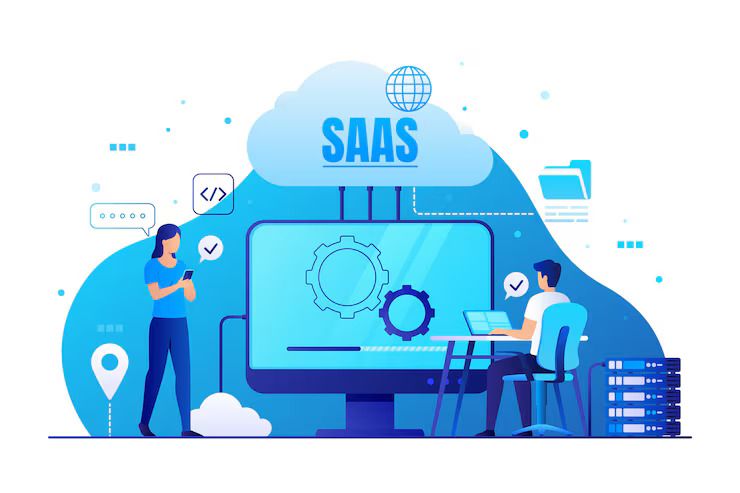
AI Operations SaaS affects a broad range of stakeholders. IT administrators, DevOps teams, cybersecurity professionals, cloud architects, business leaders, and managed service providers frequently rely on these platforms to maintain operational stability and performance. Large enterprises often use AIOps to manage complex multi-cloud environments, while smaller organizations increasingly adopt SaaS-based solutions due to lower infrastructure requirements.
The technology also impacts customers and end users indirectly. Faster issue detection, improved application performance, and reduced downtime contribute to better user experiences. Organizations can proactively identify system failures before they affect business operations, helping maintain service reliability and customer satisfaction.
Problems AI Operations SaaS Solves
- Excessive alert fatigue from monitoring systems
- Slow incident detection and response times
- Limited visibility across hybrid and multi-cloud environments
- Manual root cause analysis processes
- Resource inefficiencies and infrastructure waste
- Difficulty predicting system outages
- High operational costs associated with IT management
- Increasing complexity of modern digital ecosystems
- Challenges in correlating logs, metrics, and events
- Limited scalability of traditional monitoring tools
By applying machine learning models to operational data, AI Operations SaaS platforms can identify patterns that humans may overlook, allowing organizations to address problems more quickly and efficiently.
Recent Updates and Industry Trends
The AI Operations SaaS market has experienced significant developments over the past year as organizations increase investments in AI-driven automation and operational intelligence.
Growth of Generative AI Integration
Many vendors have incorporated generative AI capabilities into operational platforms. These features help IT teams summarize incidents, generate remediation recommendations, create reports, and improve knowledge management workflows. AI assistants are increasingly becoming part of operational dashboards.
Expansion of Predictive Operations
Predictive analytics capabilities have matured considerably. Organizations are using machine learning models to forecast infrastructure failures, identify capacity constraints, and prevent service disruptions before they occur.
Focus on Observability
The industry has shifted from basic monitoring toward comprehensive observability. Modern platforms integrate logs, traces, metrics, and events to provide deeper insights into application behavior and system performance.
Increased Cloud-Native Adoption
Organizations continue expanding cloud deployments, leading to greater demand for SaaS-based operational intelligence platforms that can scale automatically and support distributed environments.
Cybersecurity Integration
Many AI Operations vendors are integrating security monitoring capabilities with operational analytics. This convergence helps organizations identify unusual activity that may indicate security threats or operational anomalies.
Responsible AI Governance
Growing attention to AI transparency, accountability, and governance has influenced product development. Vendors increasingly provide audit capabilities, explainability features, and compliance controls to support enterprise requirements.
AI Operations SaaS Market Comparison
| Feature | Traditional Monitoring | AI Operations SaaS |
|---|---|---|
| Alert Processing | Manual Review | Automated Correlation |
| Root Cause Analysis | Time Intensive | AI-Assisted Detection |
| Incident Response | Reactive | Predictive and Proactive |
| Scalability | Limited | High Cloud Scalability |
| Infrastructure Management | Manual | Automated Insights |
| Data Analysis | Rule-Based | Machine Learning Driven |
| Cloud Compatibility | Moderate | Designed for Cloud Environments |
| Cost Optimization | Limited Visibility | Continuous Optimization |
| Automation Level | Low | High |
| Operational Efficiency | Moderate | Enhanced Through AI |
Typical Benefits by Business Objective
| Business Objective | Potential AI Operations Contribution |
|---|---|
| Reduce Downtime | Faster anomaly detection |
| Improve User Experience | Better application performance |
| Cost Management | Resource optimization |
| Operational Efficiency | Automated workflows |
| Compliance Support | Monitoring and audit capabilities |
| Cybersecurity Readiness | Enhanced anomaly detection |
| Scalability | Support for growing infrastructure |
| Team Productivity | Reduced manual investigation |
Laws, Policies, and Regulatory Considerations
The use of AI Operations SaaS is influenced by several regulatory frameworks, depending on industry and geography. Organizations should evaluate compliance obligations before implementing AI-powered operational platforms.
Data Privacy Regulations
Many jurisdictions require organizations to protect personal and operational data processed by AI systems. Privacy regulations often influence how operational data is collected, stored, and analyzed.
Examples include:
- The European Union's data protection requirements
- Privacy regulations in North America
- Emerging digital governance frameworks in the Asia-Pacific regions
AI Governance Requirements
Governments and regulatory bodies are increasingly introducing frameworks for responsible AI deployment. These initiatives focus on transparency, accountability, risk management, and oversight.
Industry-Specific Compliance
Organizations operating in regulated sectors may face additional requirements:
| Industry | Common Compliance Considerations |
|---|---|
| Healthcare | Patient data protection |
| Finance | Auditability and risk management |
| Government | Security and procurement standards |
| Telecommunications | Network reliability requirements |
| Manufacturing | Operational safety standards |
Practical Guidance
Organizations should consider AI Operations SaaS when:
- Managing complex cloud environments
- Operating business-critical applications
- Experiencing frequent operational incidents
- Seeking operational automation opportunities
- Needing enhanced observability and analytics
Additional evaluation may be necessary when:
- Sensitive data is involved
- Industry-specific regulations apply
- AI governance requirements are evolving
- Cross-border data transfers occur
Establishing clear governance policies and conducting regular compliance reviews can help organizations maximize benefits while managing risks.
Tools and Resources
Several categories of tools support AI Operations SaaS initiatives.
Monitoring and Observability Platforms
- Application performance monitoring tools
- Infrastructure monitoring solutions
- Distributed tracing platforms
- Log analytics systems
Cloud Management Resources
- Cloud cost optimization calculators
- Capacity planning tools
- Resource utilization dashboards
- Infrastructure assessment templates
Automation Solutions
- Workflow automation platforms
- Incident response orchestration tools
- Configuration management systems
- Service management software
Analytics and Reporting Resources
- Business intelligence platforms
- Operational analytics dashboards
- KPI tracking templates
- Performance benchmarking tools
Governance and Compliance Resources
- Risk assessment frameworks
- AI governance checklists
- Compliance audit templates
- Security assessment tools
Useful Evaluation Criteria
Organizations comparing AI Operations SaaS providers often evaluate:
| Evaluation Area | Key Considerations |
|---|---|
| Scalability | Support for growth |
| Security | Data protection controls |
| Integrations | Compatibility with existing tools |
| Analytics | AI and reporting capabilities |
| Automation | Workflow support |
| Cost Structure | Subscription and usage models |
| Compliance | Regulatory support features |
| User Experience | Ease of deployment and management |
Frequently Asked Questions
What is AI Operations SaaS?
AI Operations SaaS is a cloud-based platform that uses artificial intelligence and machine learning to monitor, analyze, and automate IT operations and infrastructure management.
How is AI Operations SaaS different from traditional monitoring?
Traditional monitoring primarily provides alerts and dashboards, while AI Operations SaaS analyzes data patterns, predicts issues, automates responses, and assists with root cause identification.
Which industries benefit most from AI Operations SaaS?
Industries with complex digital environments, such as finance, healthcare, retail, manufacturing, telecommunications, and technology services,s commonly benefit from AI Operations SaaS solutions.
Can AI Operations SaaS improve cybersecurity?
While not a replacement for dedicated security tools, AI Operations SaaS can help identify unusual patterns, operational anomalies, and potential threats that may warrant further investigation.
Is AI Operations SaaS suitable for small businesses?
Many SaaS-based platforms offer scalable pricing models, making them accessible to smaller organizations seeking operational visibility and automation without significant infrastructure investments.
Conclusion
AI Operations SaaS has emerged as a significant technology category as organizations face increasing operational complexity, growing cloud adoption, and heightened expectations for service reliability. By combining machine learning, automation, and cloud-based delivery models, these platforms help organizations improve visibility, accelerate incident response, and optimize resource utilization.
Recent developments such as generative AI integration, predictive analytics, enhanced observability, and stronger governance controls indicate that AI Operations SaaS is evolving beyond basic monitoring into a broader operational intelligence layer. Organizations evaluating these platforms should consider scalability, compliance requirements, integration capabilities, and automation features alongside business objectives.
For organizations managing modern digital environments, AI Operations SaaS can provide meaningful operational improvements when implemented with appropriate governance, data management practices, and performance measurement frameworks. The most effective approach is typically one that aligns platform capabilities with specific operational challenges, regulatory requirements, and long-term technology strategies.