Understanding Dosing Systems: Working Principles, Types and Benefits
Dosing systems are widely used in industries where liquids or chemicals need to be added in accurate amounts. Whether the goal is treating water, producing food, manufacturing medicines, or supporting agricultural processes, these systems help maintain consistency by delivering measured quantities at the right time. Although they are common in industrial settings, the basic idea behind a dosing system is straightforward.
It measures and introduces a specific amount of liquid or chemical into another process. This controlled approach helps maintain product quality, supports safe operation, and reduces unnecessary waste.
This guide explains how dosing systems work, where they are used, their main components, different types, benefits, maintenance practices, and factors to consider when selecting a suitable system.
What Are Dosing Systems?
A dosing system is a combination of equipment designed to measure and deliver precise amounts of a liquid or chemical into another liquid, pipeline, or production process.
The quantity being added may be very small or relatively large, depending on the application. The important factor is that the amount remains accurate and repeatable.
For example, a water treatment plant may introduce disinfectants into water at carefully controlled levels. In food manufacturing, ingredients may be added according to a specific recipe. In agriculture, fertilizers can be mixed with irrigation water in measured quantities.
The same basic principle applies across many industries: accurate dosing helps maintain reliable process performance.
How Dosing Systems Work
Although designs vary, most dosing systems follow a similar sequence.
First, the liquid or chemical is stored inside a storage tank or container.
A dosing pump then moves the liquid through pipes or tubing. Depending on the application, sensors or flow meters monitor operating conditions.
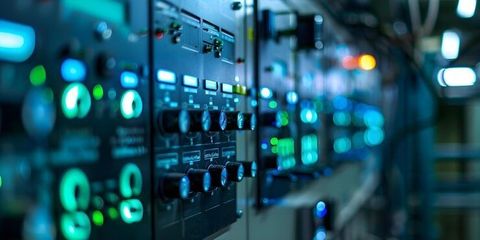
A controller receives information from the sensors and adjusts the pump speed or dosing rate when needed.
Finally, the measured liquid enters the target process through an injection point.
This continuous cycle allows the required amount of liquid to be delivered consistently throughout production.
Main Components of Dosing Systems
Understanding the basic parts makes it easier to see how the entire system operates.
Storage Tank
The storage tank holds the liquid before it enters the dosing process. Tank materials vary depending on the chemical being stored.
Dosing Pump
The pump is the central component of the system. It controls how much liquid moves into the process. Different pump designs are suitable for different flow rates, pressures, and chemical properties.
Pipes and Tubing
These transport the liquid safely between the storage tank, the pump, and the injection point.
Flow Meter
Flow meters measure the movement of liquid through the system and help maintain accurate dosing rates.
Controller
The controller manages the dosing process by receiving information from sensors and adjusting pump operation when necessary.
Injection Point
This is where the measured liquid enters the main process stream.
Common Types of Dosing Systems
Different industries use different dosing methods depending on the application.
Manual Dosing Systems
Manual systems require an operator to adjust dosing settings. They are commonly used in smaller operations where process conditions remain relatively stable.
Automatic Dosing Systems
Automatic systems continuously monitor operating conditions and adjust dosing rates without regular manual intervention. These systems are common in larger production environments.
Batch Dosing Systems
Batch dosing introduces measured amounts of liquid into individual production batches. This method works well for recipes that require fixed quantities.
Continuous Dosing Systems
Continuous dosing adds liquid throughout the production process at a steady rate. Water treatment and chemical manufacturing often use this approach.
Proportional Dosing Systems
These systems adjust dosing according to the flow rate of another liquid. As flow increases or decreases, the dosing rate changes automatically to maintain the desired ratio.
Industries That Use Dosing Systems
Dosing systems support many everyday products and industrial operations.
Water Treatment
Water treatment facilities use dosing systems to introduce disinfectants, pH adjustment chemicals, and other treatment solutions into water supplies.
Food and Beverage Production
Measured quantities of flavorings, preservatives, additives, and cleaning chemicals are commonly introduced during food processing.
Pharmaceutical Manufacturing
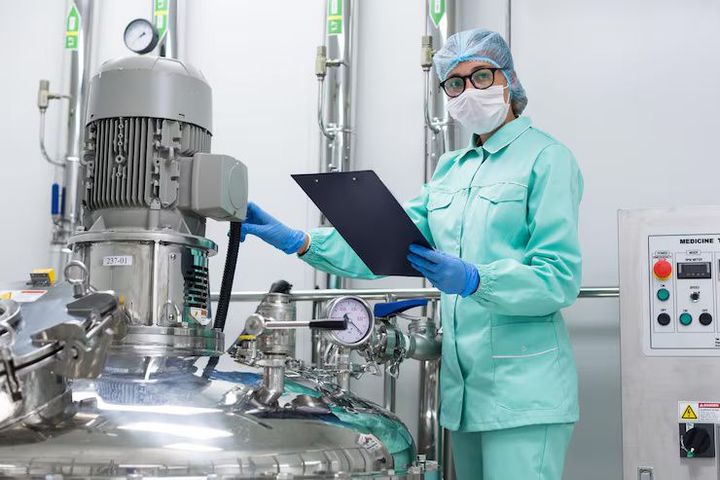
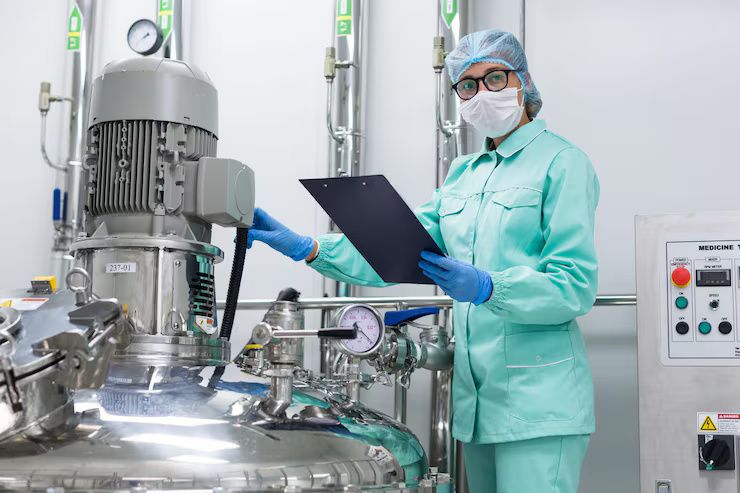
Medicine production often requires highly controlled dosing to maintain consistent formulations and manufacturing standards.
Agriculture
Fertilizers and nutrients can be introduced into irrigation systems using controlled dosing equipment.
Chemical Manufacturing
Chemical plants rely on accurate dosing throughout mixing, blending, and production processes.
Swimming Pools
Pool operators use dosing systems to maintain disinfectant and pH levels within recommended ranges.
Benefits of Dosing Systems
Accurate dosing provides several practical advantages across many industries.
Improved Accuracy
Measured delivery reduces variations between production cycles and helps maintain consistent results.
Reduced Waste
Adding only the required amount of liquid helps avoid unnecessary chemical consumption.
Better Process Control
Automatic monitoring allows operators to maintain stable operating conditions over long production periods.
Enhanced Safety
Controlled chemical handling reduces unnecessary manual contact with concentrated liquids.
Consistent Product Quality
Many manufacturing processes depend on repeatable ingredient quantities. Accurate dosing helps maintain uniform production.
Increased Efficiency
Automated dosing reduces repetitive manual adjustments and supports smoother production workflows.
Factors to Consider When Choosing Dosing Systems
Different applications have different requirements. Several factors should be evaluated before selecting equipment.
Type of Liquid
Some liquids are thick, corrosive, or sensitive to temperature. The dosing equipment should be compatible with the properties of the liquid being handled.
Flow Rate
Applications requiring small amounts differ from those handling large volumes. Pump capacity should match production needs.
Operating Pressure
Higher-pressure systems require equipment designed for those operating conditions.
Accuracy Requirements
Some industries require extremely precise dosing, while others allow wider operating tolerances.
Automation Level
Some facilities prefer manual control, while others benefit from automated monitoring and adjustment.
Maintenance Needs
Equipment that is easy to inspect and maintain can help reduce downtime during routine operation.
Maintaining Dosing Systems
Regular maintenance helps keep dosing systems operating accurately over time.
Operators should inspect pumps, tubing, seals, and storage tanks for signs of wear or leakage.
Flow meters and sensors should be checked periodically to confirm accurate measurements.
Cleaning schedules are also important, especially when handling liquids that may leave deposits inside pipes or pumps.
Calibration should be performed according to the manufacturer's recommendations to maintain dosing accuracy.
Keeping maintenance records can also help identify recurring issues before they affect production.
Common Challenges
Like any industrial equipment, dosing systems may encounter occasional problems.
Air entering the tubing can interrupt liquid flow.
Blocked pipes may reduce dosing accuracy.
Pump wear can gradually affect performance.
Sensor readings may drift over time if calibration is not maintained.
Leaks can result in inaccurate dosing and unnecessary liquid loss.
Routine inspection and preventive maintenance help reduce these issues and support reliable operation.
Emerging Developments in Dosing Systems
Modern dosing systems increasingly include digital monitoring and automation features.
Many systems now collect operating data that allows operators to monitor performance in real time.
Remote monitoring capabilities allow equipment status to be viewed from computers or mobile devices.
Some advanced systems use predictive maintenance tools that identify potential equipment issues before they become serious.
Energy-efficient pump designs and improved control software also continue to support more efficient industrial operations.
As industrial automation expands, dosing systems are becoming more connected with broader production management systems while maintaining the same fundamental purpose: delivering accurate amounts of liquid when they are needed.
Conclusion
Dosing systems play an important role in many industries by accurately measuring and delivering liquids or chemicals into production processes. From water treatment and agriculture to food production and pharmaceutical manufacturing, these systems help maintain consistency, improve efficiency, reduce waste, and support safe operation.
Understanding how dosing systems work, their main components, different types, and maintenance requirements makes it easier to appreciate their role in modern industrial processes. With ongoing advances in automation and monitoring technology, dosing systems continue to evolve while remaining focused on precise and reliable liquid delivery.