Hydrogen Air Generators: Complete Guide to Clean Energy Technology
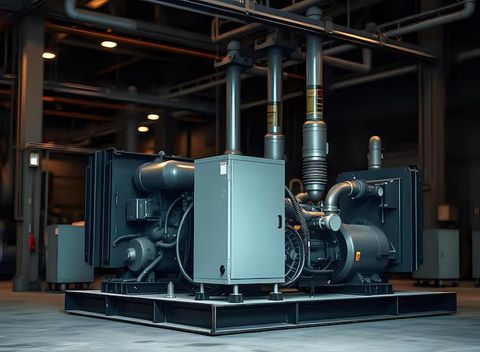
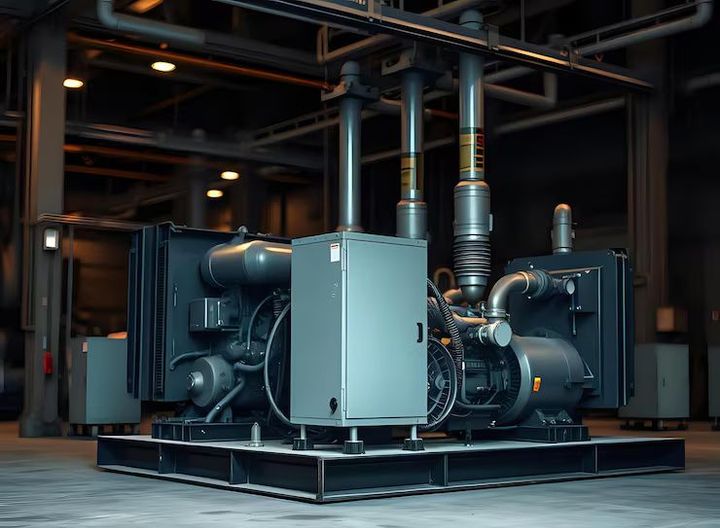
Hydrogen air generators are becoming an important part of the global transition toward cleaner energy systems. These technologies produce hydrogen gas that can be used in fuel cells, industrial processes, transportation, and power generation. As countries work to reduce greenhouse gas emissions, hydrogen is gaining attention as a versatile energy carrier that can support low-carbon development.
The growing interest in hydrogen air generators is driven by advancements in renewable energy, improvements in hydrogen production methods, and government initiatives focused on sustainability. From research laboratories to large industrial facilities, hydrogen generation technologies are being explored as a way to support cleaner energy production while reducing dependence on fossil fuels.
Context – What Are Hydrogen Air Generators?
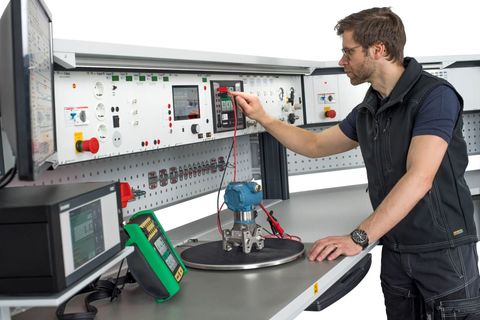
Hydrogen air generators are systems designed to produce hydrogen gas through various processes. The most common method is electrolysis, where electricity separates water into hydrogen and oxygen. Other methods include steam methane reforming, biomass conversion, and emerging technologies that use renewable energy sources.
The primary purpose of a hydrogen air generator is to provide a reliable source of hydrogen for applications such as:
- Fuel cell vehicles
- Industrial manufacturing
- Energy storage systems
- Chemical production
- Research and laboratory operations
Hydrogen itself is not an energy source but an energy carrier. It stores energy that can later be converted into electricity or heat. When hydrogen is used in fuel cells, the main byproduct is water vapor, making it attractive for clean energy applications.
Common Hydrogen Generation Methods
| Method | Primary Input | Main Output | Typical Use |
|---|---|---|---|
| Electrolysis | Water and electricity | Hydrogen and oxygen | Clean energy projects |
| Steam Methane Reforming | Natural gas | Hydrogen and carbon emissions | Industrial production |
| Biomass Gasification | Organic materials | Hydrogen-rich gas | Renewable energy research |
| Solar Hydrogen Production | Sunlight and water | Hydrogen | Emerging technology |
Importance – Why It Matters and Who It Affects
Hydrogen air generators play a significant role in supporting global decarbonization efforts. Many industries face challenges in reducing emissions through direct electrification alone. Hydrogen provides an alternative pathway for sectors that require high temperatures or long-duration energy storage.
Several groups are affected by the development of hydrogen technologies:
- Energy producers seeking cleaner alternatives
- Transportation companies exploring fuel cell vehicles
- Manufacturing industries reducing emissions
- Governments pursuing climate goals
- Researchers developing advanced energy systems
Hydrogen can also help improve energy security by enabling countries to produce energy locally from water and renewable electricity. This reduces dependence on imported fuels and diversifies energy resources.
Key Benefits of Hydrogen Technology
Hydrogen generation technologies provide several advantages:
- Supports low-emission energy systems
- Can store renewable energy for later use
- Useful for transportation and industrial applications
- Helps balance electricity grids
- Contributes to long-term sustainability goals
Despite these advantages, challenges remain, including infrastructure development, efficiency improvements, and scaling production capacity.
Recent Updates – Trends and Developments from 2024–2026
The hydrogen sector has experienced notable developments between 2024 and 2026. Governments, energy companies, and research organizations continue investing in hydrogen infrastructure and production facilities.
Several major trends have emerged:
Expansion of Green Hydrogen Projects
Green hydrogen, produced through electrolysis powered by renewable energy, has seen significant growth. New projects are being developed across Asia, Europe, North America, and the Middle East. Many countries are increasing renewable energy capacity specifically to support hydrogen production.
Improved Electrolyzer Technology
Electrolyzers are becoming more efficient and capable of operating at larger scales. Manufacturers are working on reducing energy consumption while increasing hydrogen output, making production more practical for industrial applications.
Growth in Hydrogen Transportation
Fuel cell vehicles, hydrogen-powered buses, trains, and heavy-duty trucks continue to expand in selected regions. These applications are particularly useful where battery-based systems may face limitations in range or refueling times.
Industrial Decarbonization Efforts
Industries such as steel, chemicals, and refining are increasingly testing hydrogen as a replacement for carbon-intensive fuels. Pilot projects are helping organizations evaluate hydrogen's potential for reducing emissions.
Laws or Policies – Relevant Rules, Regulations, or Government Policies
Hydrogen air generators operate within a framework of safety regulations, environmental standards, and energy policies. Governments around the world have introduced hydrogen strategies to support development while ensuring safe operation.
Key policy areas include:
| Policy Area | Purpose |
| Safety Standards | Ensure proper handling and storage of hydrogen |
| Environmental Regulations | Reduce emissions from hydrogen production |
| Renewable Energy Incentives | Encourage clean hydrogen development |
| Infrastructure Planning | Support transportation and distribution networks |
| Research Funding Programs | Advance hydrogen technologies |
Many countries have national hydrogen roadmaps that establish production targets, infrastructure goals, and research priorities.
Examples include:
- European Union hydrogen initiatives focused on renewable hydrogen expansion
- United States programs supporting hydrogen hubs and infrastructure development
- Japan's long-term hydrogen strategy for transportation and energy systems
- India's National Green Hydrogen Mission promoting domestic hydrogen production
Organizations involved in hydrogen generation must also comply with local building codes, industrial safety requirements, and environmental regulations.
Tools and Resources – Useful Websites, Calculators, Templates, or Platforms
Several resources can help individuals, researchers, and organizations learn more about hydrogen air generators and clean energy technology.
Educational and Research Resources
- International Energy Agency (IEA)
- International Renewable Energy Agency (IRENA)
- U.S. Department of Energy Hydrogen Program
- European Commission Hydrogen Initiatives
- National Renewable Energy Laboratory (NREL)
Useful Tools
| Tool Type | Purpose |
| Hydrogen Production Calculators | Estimate hydrogen output and energy requirements |
| Emissions Assessment Tools | Compare environmental impacts |
| Energy Storage Models | Analyze storage capacity and efficiency |
| Technical Standards Databases | Access safety and engineering guidance |
| Research Publications | Review scientific developments |
These resources can assist with understanding technical requirements, environmental impacts, and emerging developments in hydrogen technologies.
FAQs
What is a hydrogen air generator?
A hydrogen air generator is a system that produces hydrogen gas for use in fuel cells, industrial processes, energy storage, and research applications.
How does a hydrogen air generator work?
Most systems use electrolysis, which separates water into hydrogen and oxygen using electricity. Other methods use natural gas, biomass, or advanced renewable technologies.
Is hydrogen considered clean energy?
Hydrogen itself produces no direct carbon emissions when used in a fuel cell. However, environmental impact depends on how the hydrogen is produced.
What industries use hydrogen generators?
Hydrogen generators are used in transportation, manufacturing, chemical production, energy storage, research laboratories, and power generation.
What is green hydrogen?
Green hydrogen is hydrogen produced through electrolysis powered by renewable energy sources such as solar or wind power.
Conclusion
Hydrogen air generators are becoming an increasingly important component of modern clean energy systems. They support hydrogen production for transportation, industry, energy storage, and research applications. Recent advances in electrolyzer technology, growing investment in green hydrogen projects, and supportive government policies are accelerating adoption worldwide. While challenges related to infrastructure and efficiency remain, hydrogen technologies are expected to play a meaningful role in the transition toward lower-emission energy systems.