Explore Calibration Technology Knowledge: Methods and Equipment
Calibration technology plays an important role in ensuring that measuring instruments produce accurate and reliable results. It is used across industries where precision is essential, including manufacturing, healthcare, laboratories, energy, aerospace, and environmental monitoring. Proper calibration helps maintain measurement consistency and supports quality standards in different working environments.
Understanding calibration technology knowledge helps individuals and organizations recognize how measuring equipment is tested, adjusted, and verified. Different calibration methods and equipment are used depending on the instrument, industry, and required level of accuracy. As technology continues to advance, digital systems and automation are making calibration processes more efficient while maintaining dependable measurement performance.
Context
Calibration technology refers to the process of comparing a measuring instrument against a known reference standard to determine its accuracy. If differences are found, adjustments may be made so that the instrument provides measurements within acceptable limits. Calibration is a key part of quality management and scientific measurement.
The purpose of calibration is to reduce measurement uncertainty and ensure that equipment performs consistently over time. Regular calibration supports reliable data collection and helps organizations meet industry requirements.
Common instruments requiring calibration include:
- Pressure gauges
- Temperature sensors
- Digital multimeters
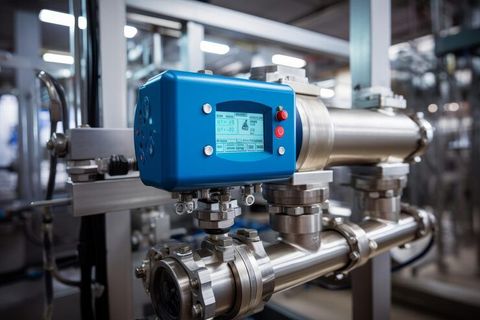
- Flow meters
- Weighing scales
- Torque tools
- Electrical testing equipment
- Laboratory measuring instruments
Calibration is performed using traceable reference standards that are linked through an unbroken chain of comparisons to national or international measurement standards.
Common Calibration Methods
Several calibration methods are used depending on the equipment and application:
| Calibration Method | Typical Application | Purpose |
|---|---|---|
| Comparison Calibration | Pressure, temperature, electrical instruments | Compare readings with a reference standard |
| Single-Point Calibration | Basic measuring devices | Verify accuracy at one reference point |
| Multi-Point Calibration | Laboratory and industrial instruments | Check accuracy across the measurement range |
| Automatic Calibration | Digital equipment | Reduce manual intervention and improve consistency |
| Field Calibration | Equipment installed on-site | Verify instruments without removing them |
Importance
Calibration technology supports reliable measurements in many sectors where accurate data is essential for safety, quality, and operational performance.
Manufacturing industries depend on calibrated equipment to maintain product consistency and reduce measurement errors during production. Even small deviations can affect product quality when measurements are repeated thousands of times.
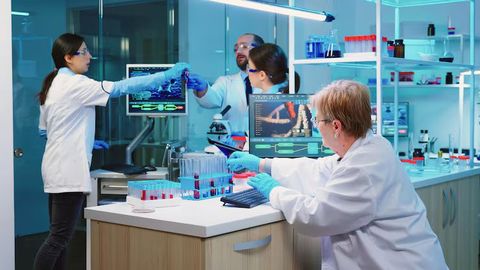
Healthcare facilities use calibrated medical equipment to support accurate diagnostic readings and patient monitoring. Laboratories also rely on calibrated instruments to generate dependable analytical results.
Environmental agencies use calibrated monitoring devices to measure air quality, water quality, and weather conditions. Accurate environmental measurements help researchers and authorities evaluate changing conditions.
Calibration technology also benefits:
- Research laboratories
- Aerospace organizations
- Energy facilities
- Automotive manufacturers
- Food processing industries
- Pharmaceutical production
- Educational institutions
Types of Calibration Equipment
Calibration equipment varies according to the measurement being verified.
Common examples include:
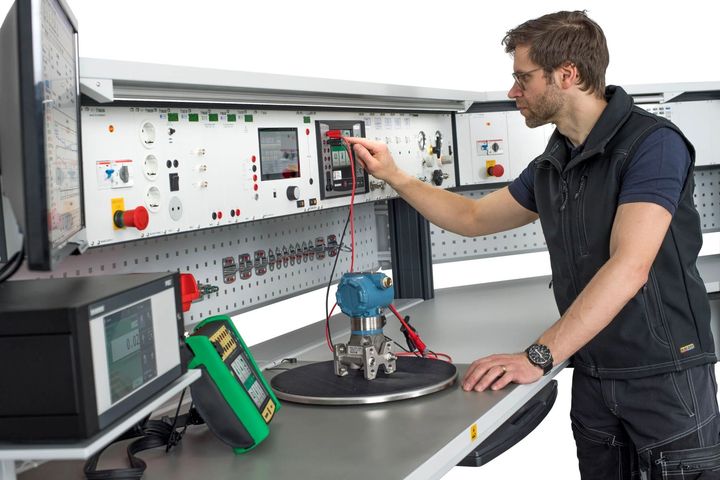
- Pressure calibrators
- Temperature dry block calibrators
- Electrical multifunction calibrators
- Deadweight testers
- Precision reference thermometers
- Voltage and current standards
- Calibration software platforms
- Digital reference meters
Modern calibration equipment often includes automated documentation features that improve record management and reduce manual reporting errors.
Recent Updates
Between 2024 and 2026, calibration technology has continued evolving through digital transformation and improved measurement capabilities.
One noticeable trend is the wider adoption of automated calibration systems. These systems reduce manual data entry, improve repeatability, and simplify documentation for organizations handling large numbers of measuring instruments.
Cloud-connected calibration software has become more common, allowing calibration records to be securely stored and accessed from multiple locations. Digital certificates and electronic traceability are also replacing paper-based documentation in many organizations.
Artificial intelligence is beginning to assist with predictive maintenance by identifying measurement drift before instruments exceed acceptable tolerance limits. This allows organizations to schedule calibration activities more effectively.
Wireless sensors and Industrial Internet of Things (IIoT) devices are also expanding calibration requirements. As connected devices increase across industrial environments, maintaining measurement accuracy throughout digital networks has become increasingly important.
Portable calibration equipment continues improving through enhanced battery performance, higher measurement precision, and easier field operation for technicians working outside laboratory environments.
Laws or Policies
Calibration activities are often guided by internationally recognized standards rather than a single universal law. Different industries follow specific regulations depending on their operational requirements.
One of the most widely recognized standards is ISO/IEC 17025, which specifies general requirements for the competence of testing and calibration laboratories. Organizations accredited under this standard demonstrate technical capability and reliable measurement practices.
ISO 9001 quality management systems also encourage organizations to monitor and maintain measuring equipment used for quality control.
Other relevant frameworks include:
- National metrology institute traceability requirements
- Industry-specific manufacturing regulations
- Medical equipment quality standards
- Environmental monitoring regulations
- Laboratory accreditation requirements
Many countries operate national metrology organizations responsible for maintaining reference measurement standards and supporting calibration traceability throughout industry.
Organizations typically maintain calibration records showing:
- Equipment identification
- Calibration date
- Reference standards used
- Measurement uncertainty
- Next scheduled calibration
- Technician or laboratory information
Proper documentation supports quality audits and demonstrates compliance with applicable industry requirements.
Tools and Resources
Several useful resources help individuals understand calibration technology knowledge and improve measurement management.
Helpful resources include:
- National metrology institute websites for measurement standards
- ISO standards information portals
- Educational engineering publications
- Calibration management software platforms
- Measurement uncertainty calculators
- Instrument maintenance templates
- Laboratory documentation checklists
Useful digital tools often include:
| Tool | Purpose |
| Calibration Management Software | Schedule and document calibration activities |
| Measurement Uncertainty Calculator | Estimate uncertainty values |
| Calibration Certificate Templates | Standardize documentation |
| Equipment Tracking Systems | Monitor calibration intervals |
| Digital Asset Registers | Record instrument history |
Many educational organizations also provide technical guides explaining calibration methods, uncertainty calculations, traceability principles, and equipment selection.
FAQs
What is calibration technology?
Calibration technology refers to the methods, equipment, and standards used to verify and maintain the accuracy of measuring instruments by comparing them with known reference standards.
Why is calibration important?
Calibration helps ensure accurate measurements, supports quality control, reduces measurement uncertainty, and maintains consistency across industrial, laboratory, and scientific applications.
How often should measuring equipment be calibrated?
Calibration frequency depends on manufacturer recommendations, industry requirements, equipment usage, environmental conditions, and previous calibration history.
What is traceability in calibration?
Traceability means that measurement results can be linked through documented comparisons to recognized national or international measurement standards.
Which industries commonly use calibration technology?
Manufacturing, healthcare, aerospace, automotive, laboratories, pharmaceuticals, environmental monitoring, research institutions, and energy industries commonly rely on calibration technology.
Conclusion
Calibration technology is an essential part of modern measurement systems, helping maintain accuracy, consistency, and confidence in measurement results. Reliable calibration methods and equipment support industries that depend on precise data for quality assurance, research, safety, and regulatory compliance.
As digital technologies continue developing, calibration processes are becoming more automated, connected, and data-driven. Understanding calibration technology knowledge enables individuals and organizations to appreciate the importance of accurate measurement and the role that standardized calibration practices play across a wide range of applications.
Maintaining properly calibrated equipment contributes to dependable measurements and supports long-term operational reliability. Continued advancements in calibration methods and digital tools are expected to further improve efficiency and measurement confidence in the years ahead.