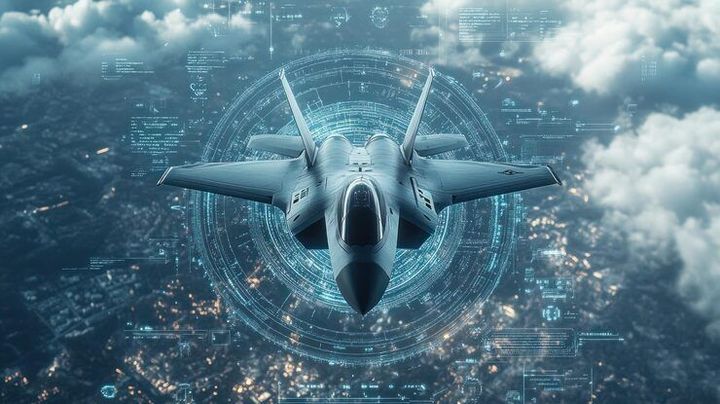
Aircraft Guns Technology Guide to Understanding Modern Airborne Weapon Systems
Modern military aviation relies on a combination of advanced sensors, communication networks, precision-guided equipment, and defensive technologies.
While missiles often receive the most attention, aircraft guns remain an essential part of many aircraft weapon systems. They continue to play an important role in air combat, close air support, training, and self-defense missions where speed, precision, and reliability are critical.
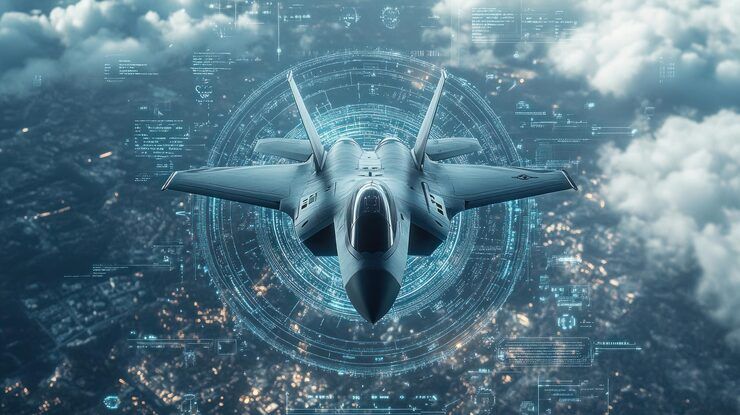
Aircraft guns technology has evolved significantly over the past century. Today's systems combine lightweight materials, electronic fire-control systems, advanced ammunition, and high-performance engineering to deliver accurate and dependable operation under demanding flight conditions. Understanding how these systems fit into broader aerospace defense systems helps explain why they remain relevant despite the rapid growth of missile technology.
This guide explores the fundamentals of aircraft guns, their development, major components, operational roles, technological advancements, and future trends in military aircraft technology.
What Is Aircraft Guns Technology?
Aircraft guns technology refers to the engineering, design, integration, and operation of guns installed on military aircraft. These weapons are designed to engage aerial, ground, or maritime targets depending on the aircraft's mission profile.
Unlike guided weapons, aircraft guns generally fire projectiles directly toward a target using high-speed mechanical or electrically powered firing mechanisms. Their effectiveness depends on accurate targeting, aircraft maneuverability, and sophisticated fire-control systems rather than onboard guidance after firing.
Modern aircraft guns are carefully integrated into the aircraft structure to maintain balance, reduce vibration, and ensure compatibility with onboard electronics and mission systems.
Why Aircraft Guns Still Matter
Although precision-guided missiles dominate many combat scenarios, aircraft guns continue to provide several operational advantages.
They offer immediate response during close-range engagements where reaction time is extremely limited. Pilots can engage rapidly changing targets without waiting for missile lock or guidance updates.
Aircraft guns also provide sustained firing capability during missions requiring repeated target engagement. This flexibility makes them valuable during air patrols, close air support operations, and certain defensive situations.
Some common situations where aircraft guns remain useful include:
- Short-range aerial combat
- Close air support missions
- Training exercises
- Defensive engagements
- Warning shots during military operations
- Precision engagement of selected ground targets
Their continued presence demonstrates that military aircraft technology often combines traditional engineering with modern digital systems instead of replacing older capabilities entirely.
How Aircraft Guns Work
Although different weapon designs exist, most aircraft guns follow a similar operational sequence.
First, onboard targeting systems calculate firing solutions using information from radar, electro-optical sensors, aircraft speed, altitude, and target movement.
Once the pilot authorizes firing, the weapon's firing mechanism cycles ammunition through the chamber at extremely high speed. Modern systems may use gas-operated, recoil-operated, rotary-barrel, or externally powered mechanisms depending on the specific design.
As rounds leave the barrel, advanced fire-control computers continuously adjust aiming information to improve accuracy while accounting for aircraft movement and environmental conditions.
This integration between mechanical engineering and digital computing represents one of the most significant developments in modern aircraft defense technology.
Main Components of Modern Aircraft Gun Systems
Understanding the major components helps explain how these systems achieve reliable performance.
Gun Assembly
The gun assembly includes the barrel, firing mechanism, chamber, and structural housing. These components are engineered to withstand extremely high temperatures and mechanical stress during rapid firing.
Ammunition Feeding System
Aircraft operate under high acceleration and rapid maneuvering conditions. Ammunition feed systems are therefore designed to deliver rounds smoothly while minimizing the risk of jamming or interruption.
Fire-Control System
Modern fire-control systems use onboard computers to calculate firing solutions in real time. Information from multiple sensors helps improve accuracy under varying flight conditions.
Targeting Sensors
Radar, infrared systems, electro-optical cameras, helmet-mounted displays, and tracking systems assist pilots in identifying and engaging targets more effectively.
Cooling and Structural Integration
Repeated firing generates significant heat. Engineers design cooling methods and structural mounting systems that protect both the weapon and the aircraft while maintaining flight performance.
Types of Aircraft Guns
Several categories of aircraft guns are used across different military aircraft.
| Type | General Characteristics | Common Applications |
|---|---|---|
| Machine Guns | Smaller caliber with high firing rates | Historical aircraft and training roles |
| Automatic Cannons | Larger caliber with greater destructive capability | Modern fighter aircraft and attack aircraft |
| Rotary Cannons | Multiple rotating barrels powered externally | High-rate aerial engagements |
| Revolver Cannons | Rotating chamber with fewer barrels | Efficient firing with compact design |
Each type is selected according to aircraft size, mission requirements, weight limitations, and operational doctrine.
Integration Within Aircraft Weapon Systems
Aircraft guns are only one element of today's integrated aircraft weapon systems.
Modern combat aircraft combine numerous technologies that work together, including:
- Flight management computers
- Sensor fusion systems
- Electronic warfare equipment
- Radar systems
- Navigation systems
- Target tracking software
- Mission computers
- Pilot display interfaces
Rather than operating independently, the aircraft gun becomes one component within an interconnected combat platform. Information flows continuously between sensors, computers, and pilot displays to improve decision-making during complex missions.
This level of integration represents one of the defining characteristics of current aerospace defense systems.
Technological Advances in Aircraft Guns Technology
Recent developments have focused on improving performance while reducing maintenance requirements and overall system weight.
Digital Fire-Control
Modern computing systems process enormous amounts of targeting information almost instantly, allowing pilots to respond more effectively during dynamic engagements.
Lightweight Materials
Advanced alloys and composite materials help reduce overall aircraft weight while maintaining structural strength and durability.
Improved Barrel Engineering
New manufacturing techniques increase barrel life, reduce wear, and improve firing consistency over extended operational periods.
Advanced Ammunition
Ongoing research explores projectiles designed for improved accuracy, controlled fragmentation, and specialized operational requirements while remaining compatible with modern aircraft systems.
Predictive Maintenance
Many military aircraft now incorporate health-monitoring technologies that track weapon condition and identify maintenance needs before failures occur.
This data-driven approach improves operational readiness and supports long-term reliability.
The Role of Aircraft Guns in Modern Air Combat
The nature of aerial combat has changed considerably over recent decades.
Long-range sensors and guided weapons often engage targets before aircraft come within visual range. However, aircraft guns continue to provide important capabilities when engagements occur at shorter distances or when mission flexibility is required.
Pilots train extensively to use aircraft guns effectively because successful employment depends on timing, aircraft positioning, situational awareness, and accurate target tracking.
In addition to air-to-air scenarios, aircraft guns may support carefully planned air-to-ground operations where controlled engagement is appropriate.
The combination of traditional weapon systems with advanced digital technologies illustrates the balanced approach taken by modern military aircraft technology.
Challenges Facing Aircraft Guns Technology
Despite continued improvements, engineers face several ongoing challenges.
One challenge involves reducing overall weapon weight without compromising durability.
Another is managing heat generated during rapid firing sequences while maintaining accuracy.
Engineers also work to minimize vibration effects on sensitive aircraft electronics and improve compatibility with increasingly sophisticated mission systems.
Environmental factors such as extreme temperatures, moisture, dust, and high-altitude operation also influence design decisions.
Meeting these challenges requires collaboration between aerospace engineers, materials scientists, software developers, and defense researchers.
Future Trends in Aircraft Defense Technology
Aircraft guns technology continues to evolve alongside broader aerospace innovations.
Several trends are expected to shape future development:
- Greater automation in fire-control systems
- Enhanced sensor integration
- Artificial intelligence supporting target analysis
- Improved digital mission management
- More durable lightweight materials
- Smarter maintenance monitoring
- Increased compatibility with networked battlefield systems
Future aircraft will likely rely even more heavily on integrated information sharing, allowing pilots to receive comprehensive situational awareness while managing multiple onboard systems simultaneously.
Although technologies continue to advance, aircraft guns are expected to remain part of balanced aircraft weapon systems for many years because of their versatility, immediate response capability, and operational reliability.
Aircraft Guns and the Broader Aerospace Defense Ecosystem
Aircraft guns should not be viewed as standalone weapons. Instead, they function within a much larger ecosystem of aerospace defense systems that includes surveillance platforms, communication networks, command centers, navigation technologies, and electronic protection systems.
Success in modern operations depends less on a single weapon and more on how effectively every onboard system communicates and works together.
This systems-based approach defines the current direction of aircraft defense technology and continues to influence future aircraft development around the world.
Frequently Asked Questions
Are aircraft guns still used on modern fighter aircraft?
Yes. Many modern military aircraft continue to include integrated gun systems that complement guided weapons during specific mission scenarios and close-range engagements.
What is the difference between aircraft guns and guided missiles?
Aircraft guns fire projectiles directly toward a target using mechanical firing systems, while guided missiles use onboard guidance technologies to adjust their path after launch.
Why are fire-control systems important?
Fire-control systems calculate aiming solutions by combining aircraft movement, target motion, sensor information, and environmental data, helping improve engagement accuracy.
How has aircraft guns technology improved over time?
Advances include lighter materials, digital targeting systems, improved barrel durability, enhanced ammunition, predictive maintenance, and greater integration with aircraft mission computers.
Will aircraft guns remain relevant in the future?
While missile technology continues to advance, aircraft guns are expected to remain an important part of military aircraft technology because they provide immediate response, operational flexibility, and reliable performance in specific combat situations.
Conclusion
Aircraft guns technology continues to play a valuable role within modern aircraft weapon systems despite the rapid advancement of precision-guided weapons. Through improvements in digital fire-control, advanced materials, targeting sensors, and system integration, today's airborne guns are more accurate, reliable, and efficient than ever before.
As aerospace defense systems become increasingly interconnected, aircraft guns function as one component of a much larger technological framework that supports mission effectiveness and operational flexibility. Understanding these systems provides valuable insight into how military aircraft technology balances proven engineering with ongoing innovation, ensuring that airborne weapon systems remain adaptable to the changing demands of modern defense operations.