Aluminium Coils Overview With Insights Into Materials, Properties, and Performance
Aluminium is one of the most widely used metals in modern industry due to its versatility, durability, and favorable performance characteristics.
Among the many forms in which aluminium is processed, aluminium coils play a crucial role in manufacturing, construction, transportation, packaging, and numerous industrial applications.
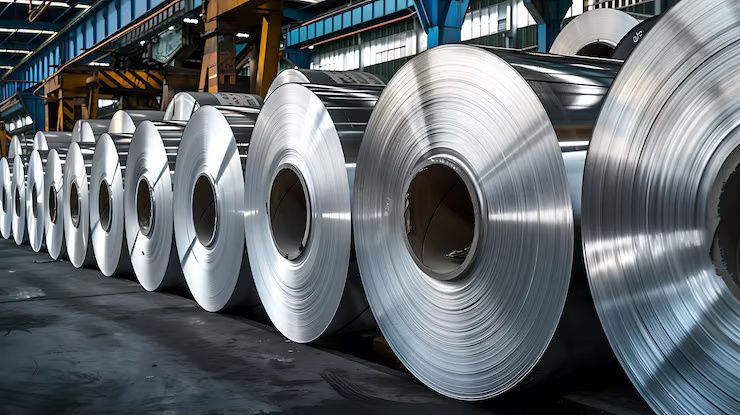
Produced by rolling aluminium into continuous sheets and winding them into coil form, these products provide an efficient and flexible material solution for a variety of fabrication and production processes. Their combination of lightweight properties, corrosion resistance, and formability makes them valuable across many sectors.
What really matters is that aluminium coils are more than just rolled metal products. Their properties, alloy composition, and processing methods directly influence performance, durability, and suitability for specific applications.
This guide explores the fundamentals of aluminium coils, explains their material characteristics, highlights key properties, and examines the factors that contribute to their performance in modern industries.
What Are Aluminium Coils?
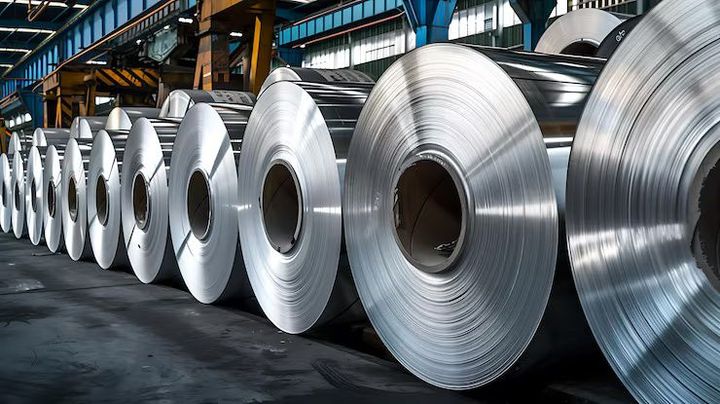
Aluminium coils are continuous sheets of aluminium that have been rolled to specific thicknesses and wound into large circular coils for storage, transportation, and further processing.
These coils serve as raw materials for a wide range of products and components. Depending on the intended application, they may undergo additional processing such as cutting, forming, coating, stamping, or fabrication.
This matters because coil production allows manufacturers to efficiently handle large quantities of aluminium while maintaining consistency and quality.
A practical example is a fabrication facility using aluminium coils to produce building panels, appliance components, or industrial equipment parts.
How Aluminium Coils Are Manufactured
The production of aluminium coils involves several stages designed to achieve desired dimensions and material properties.
Aluminium Production
Raw aluminium is refined and prepared for processing.
Rolling Operations
The material passes through rolling mills to reduce thickness.
Heat Treatment
Certain alloys may undergo thermal processing to achieve specific characteristics.
Coiling Process
The finished sheet is wound into coil form for handling and distribution.
Surface Treatment
Additional processes may be applied depending on product requirements.
These manufacturing steps help create coils suitable for various industrial applications.
Understanding Aluminium Alloys
Not all aluminium coils are identical.
Different alloy compositions are developed to provide specific performance characteristics. Alloy selection often depends on factors such as strength, corrosion resistance, formability, and intended application.
Common alloy groups include:
- Commercially pure aluminium
- Manganese-containing alloys
- Magnesium-containing alloys
- Silicon-enhanced alloys
- Multi-element engineering alloys
Each alloy family offers unique advantages for different manufacturing and industrial environments.
The real difference appears when alloy selection aligns with performance requirements.
Key Material Properties of Aluminium Coils
Aluminium coils are valued because of several important material characteristics.
Lightweight Construction
Aluminium offers a favorable strength-to-weight ratio.
Corrosion Resistance
Natural oxide formation helps protect the material from environmental exposure.
Formability
The material can often be shaped into complex configurations.
Thermal Conductivity
Aluminium efficiently transfers heat.
Recyclability
The material can be recycled and reused in many applications.
These properties contribute to the widespread use of aluminium coils across industries.
Strength and Mechanical Performance
Mechanical performance is an important consideration when selecting aluminium coil materials.
Different alloys and processing methods influence strength, hardness, flexibility, and overall performance characteristics. Manufacturers often balance strength requirements with fabrication needs when choosing materials.
This matters because applications may require specific combinations of durability and workability.
A real-world example is selecting a higher-strength alloy for structural components while using a more formable alloy for intricate fabrication processes.
Corrosion Resistance and Durability
One of aluminium's most recognized advantages is its resistance to corrosion.
When exposed to air, aluminium naturally forms a thin oxide layer that helps protect the underlying material. This characteristic contributes to long-term durability in many environments.
Benefits often include:
- Environmental resistance
- Reduced maintenance requirements
- Long service life
- Reliable outdoor performance
These characteristics make aluminium coils suitable for numerous industrial and architectural applications.
The real difference appears when corrosion resistance supports long-term product reliability.
Surface Finishes and Coatings
Aluminium coils are available with a variety of surface finishes and treatment options.
Different finishing methods may enhance appearance, durability, or functional performance depending on application requirements.
Common surface options include:
- Mill finishes
- Painted surfaces
- Coated finishes
- Decorative treatments
- Specialized industrial coatings
These treatments help manufacturers tailor products to specific operational and aesthetic objectives.
Industrial Applications of Aluminium Coils
Aluminium coils are used throughout many industries.
Construction
Used in roofing systems, wall panels, and architectural components.
Transportation
Supports vehicle, rail, and aerospace manufacturing applications.
Packaging
Provides materials for various packaging products.
Appliances
Used in household and commercial equipment.
Industrial Manufacturing
Serves as a raw material for fabricated products and components.
These applications demonstrate the versatility of aluminium coil products.
A practical example is a building project utilizing coated aluminium coils for exterior cladding systems.
Comparing Aluminium Coil Properties
| Property | Performance Characteristic | Industrial Benefit |
|---|---|---|
| Lightweight | Reduced Mass | Easier Handling |
| Corrosion Resistance | Environmental Protection | Durability |
| Formability | Fabrication Flexibility | Manufacturing Efficiency |
| Thermal Conductivity | Heat Transfer Capability | Functional Performance |
| Recyclability | Material Recovery | Sustainability Support |
Understanding these characteristics helps explain why aluminium coils remain widely used across industries.
Performance Factors in Real-World Applications
Several factors influence how aluminium coils perform in service.
Material thickness often affects strength and structural behavior. Alloy composition influences mechanical and environmental performance. Surface treatments can further enhance durability and appearance.
Organizations frequently evaluate:
- Application requirements
- Environmental conditions
- Fabrication needs
- Performance expectations
- Long-term durability objectives
A practical example is comparing aluminium coils used in interior applications with those exposed to outdoor environments.
In many cases, the real difference appears when material specifications are matched to operational requirements.
Benefits of Aluminium Coils
Aluminium coils offer several advantages that contribute to their popularity.
Potential benefits include:
- Lightweight performance
- Corrosion resistance
- Manufacturing flexibility
- Good thermal properties
- Recyclability and sustainability support
These characteristics make aluminium an attractive material for numerous industrial and commercial applications.
Sustainability and Recycling
Sustainability has become an increasingly important consideration in modern manufacturing.
Aluminium is widely recognized for its recyclability. Recycled aluminium can often be processed and reused while retaining many of its original material properties.
This matters because material recovery supports resource conservation and circular economy initiatives.
A real-world example is recycling aluminium products into new coil materials for future manufacturing applications.
The real difference appears when sustainability objectives align with material performance requirements.
Future Trends in Aluminium Coil Manufacturing
The aluminium industry continues evolving through innovation and technological advancement.
Advanced alloy development is helping improve material performance and expand application possibilities. Manufacturing technologies are improving production efficiency and quality consistency.
Digital monitoring systems are enhancing process control, while sustainability initiatives continue driving interest in resource-efficient production methods.
Lightweight engineering trends across transportation, construction, and industrial sectors are expected to support continued demand for aluminium materials.
What really matters is how these developments help expand the capabilities and applications of aluminium coils in modern manufacturing.
FAQ
1. What are aluminium coils?
Aluminium coils are rolled sheets of aluminium wound into coil form for storage, transportation, and manufacturing applications.
2. Why are aluminium coils widely used?
They offer lightweight performance, corrosion resistance, formability, thermal conductivity, and recyclability.
3. What industries use aluminium coils?
Construction, transportation, packaging, appliance manufacturing, and industrial fabrication industries commonly use aluminium coils.
4. How does alloy composition affect performance?
Different alloys provide varying levels of strength, corrosion resistance, formability, and other performance characteristics.
5. Are aluminium coils recyclable?
Yes. Aluminium is highly recyclable and can often be reused while maintaining important material properties.
Conclusion
Aluminium coils are essential materials used across numerous industries due to their combination of lightweight performance, durability, corrosion resistance, and manufacturing flexibility. Produced through advanced rolling and processing methods, these materials support applications ranging from construction and transportation to packaging and industrial fabrication.
As technology and sustainability initiatives continue shaping the manufacturing landscape, aluminium coils remain an important material solution for organizations seeking versatile and high-performance products. Understanding their materials, properties, and performance characteristics provides valuable insight into their role in modern industrial operations.