An Overview of Steel Structure Manufacturing for Industrial Projects
Steel structure manufacturing plays an important role in modern industrial development.
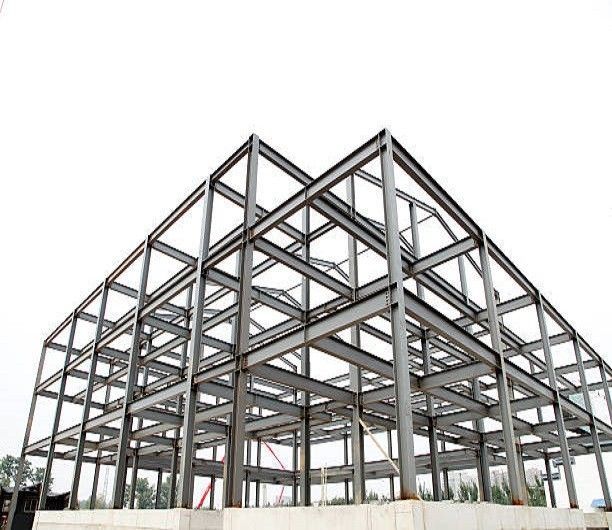
It involves the design, fabrication, and assembly of steel components that form the framework of buildings, facilities, and infrastructure projects. From warehouses and manufacturing plants to logistics centers and commercial buildings, steel structures are widely used because of their strength, durability, and adaptability.
The development of industrial steel structures can be traced back to advancements in metal production and engineering techniques. As industries expanded and construction requirements became more complex, steel emerged as a practical material for creating large-span structures and supporting heavy loads. Today, steel structure manufacturers work alongside engineers, architects, and construction teams to create structural systems that meet specific project requirements.
Structural steel fabrication is a key part of this process. It involves cutting, welding, shaping, and assembling steel components before they are transported to a construction site. In many cases, steel building manufacturers produce prefabricated components that simplify on-site assembly and improve project coordination.
Industrial projects often rely on steel frame building manufacturers and structural steel suppliers to provide materials and fabricated components for facilities that support manufacturing, storage, transportation, and energy production. The widespread use of steel reflects its versatility across a variety of industries.
Importance
Supporting Industrial Growth
Industrial development depends on reliable building systems that can accommodate equipment, storage areas, and operational activities. Industrial steel structures help create large open spaces with fewer internal supports, making them suitable for factories, warehouses, and processing facilities.
Improving Construction Efficiency
Many projects use pre engineered steel buildings because significant portions of the structure can be fabricated before arriving at the construction site. This approach can simplify assembly processes and improve coordination between project teams.
Adaptability for Different Applications
Custom steel structure fabrication allows engineers and designers to develop structures that match specific operational needs. Different industries require different layouts, load capacities, and environmental considerations, making customization an important aspect of modern construction.
Supporting Infrastructure Development
Steel infrastructure solutions contribute to transportation systems, industrial facilities, utility structures, and commercial developments. Their ability to accommodate complex engineering requirements makes them useful in a wide range of applications.
The following table highlights common applications of steel structures in industrial projects:
| Application Type | Common Purpose | Typical Features |
|---|---|---|
| Warehouses | Storage and logistics | Large open spans, high ceilings |
| Manufacturing Plants | Production operations | Heavy equipment support |
| Distribution Centers | Goods handling | Flexible layouts |
| Commercial Buildings | Business activities | Adaptable floor plans |
| Utility Facilities | Infrastructure support | Structural durability |
| Industrial Workshops | Equipment maintenance | Open working spaces |
Recent Updates
Increased Use of Digital Design Tools
Steel structure manufacturing has increasingly adopted digital technologies. Building Information Modeling (BIM), three-dimensional design software, and automated fabrication systems are becoming more common throughout the industry.
These technologies help improve coordination between project stakeholders and allow for more accurate planning before fabrication begins.
Growth of Automation in Fabrication
Many structural steel fabrication facilities have incorporated automated cutting, drilling, and welding equipment. Automation can help improve consistency and support the production of complex steel components.
Focus on Sustainability
Environmental considerations continue to influence construction practices. Steel is often incorporated into sustainability-focused projects because it can be reused and recycled in various applications. Manufacturers and construction companies are also examining ways to reduce material waste during fabrication processes.
Expansion of Modular Construction
Modular construction methods have become more common in industrial projects. Components produced by steel construction companies are frequently assembled into modules before being transported to project locations. This approach supports faster project coordination and improved quality control.
Greater Demand for Logistics Facilities
The expansion of e-commerce and supply chain networks has increased demand for warehouse steel structure manufacturers and large-scale storage facilities. As a result, industrial building designs increasingly emphasize flexible layouts and efficient space utilization.
Laws or Policies
Building Codes and Structural Standards
Steel structures are generally governed by national and regional building codes. These regulations establish requirements related to structural integrity, safety, fire protection, and load-bearing performance.
Engineers and contractors must ensure that steel structures comply with applicable construction standards throughout the design and construction process.
Workplace Safety Requirements
Fabrication facilities and construction sites are subject to occupational safety regulations. These rules address equipment operation, worker protection, material handling, and site management practices.
Compliance with safety requirements helps reduce workplace risks during fabrication and installation activities.
Environmental Regulations
Industrial projects may be subject to environmental regulations concerning emissions, waste management, and resource usage. Steel manufacturers and construction teams often implement procedures that align with environmental guidelines established by government authorities.
Infrastructure and Development Programs
Many countries support industrial growth through infrastructure development initiatives. These programs can influence demand for steel infrastructure solutions by encouraging investment in transportation networks, industrial corridors, logistics hubs, and public facilities.
Tools and Resources
Various tools and resources assist professionals involved in steel structure manufacturing and industrial construction.
Design and Modeling Software
Commonly used software categories include:
- Computer-aided design (CAD) programs
- Building Information Modeling (BIM) platforms
- Structural analysis applications
- Three-dimensional visualization tools
These systems help engineers and designers evaluate structural performance before fabrication begins.
Engineering Calculators
Engineering calculators assist with:
- Load calculations
- Material quantity estimation
- Structural analysis
- Connection design assessments
Such tools support planning and design activities throughout a project lifecycle.
Industry Standards and Technical Documents
Professionals often reference:
- Building codes
- Structural design standards
- Material specifications
- Fabrication guidelines
These documents provide technical information relevant to project development.
Project Management Platforms
Project management software helps coordinate communication, scheduling, documentation, and workflow tracking between engineers, contractors, structural steel suppliers, and fabrication teams.
Quality Control Resources
Quality management systems, inspection checklists, and testing procedures are commonly used to verify that fabricated components meet project requirements and applicable standards.
FAQs
What do steel structure manufacturers do?
Steel structure manufacturers produce structural components used in buildings, industrial facilities, warehouses, and infrastructure projects. Their work often includes fabrication, assembly preparation, and coordination with engineering teams.
What is structural steel fabrication?
Structural steel fabrication is the process of cutting, shaping, welding, and assembling steel components according to engineering specifications. These fabricated elements are then used in construction projects.
How are pre engineered steel buildings different from conventional construction?
Pre engineered steel buildings use components that are designed and fabricated before arriving at the construction site. This approach can streamline assembly and improve project coordination.
Why are industrial steel structures commonly used in warehouses?
Industrial steel structures provide large open spaces, flexible layouts, and strong load-bearing capabilities. These characteristics make them suitable for storage, logistics, and distribution operations.
What factors are considered in custom steel structure fabrication?
Custom steel structure fabrication typically considers structural requirements, intended use, environmental conditions, loading demands, and project-specific design objectives.
Conclusion
Steel structure manufacturing is a significant part of modern industrial construction and infrastructure development. Through structural steel fabrication, engineered components are produced for warehouses, manufacturing facilities, commercial buildings, and public infrastructure projects. Advances in digital design, automation, and modular construction continue to influence the industry. Understanding the role of steel structure manufacturers, structural steel suppliers, and related construction processes helps provide a clearer view of how industrial projects are planned and built.