Athletic Clothing for Women: Complete Guide to Activewear Styles and Features
Athletic clothing for women has become an important part of modern fitness, sports, and everyday lifestyles.
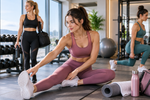
Whether someone enjoys yoga, running, strength training, cycling, or outdoor activities, the right activewear can support comfort, movement, and confidence.
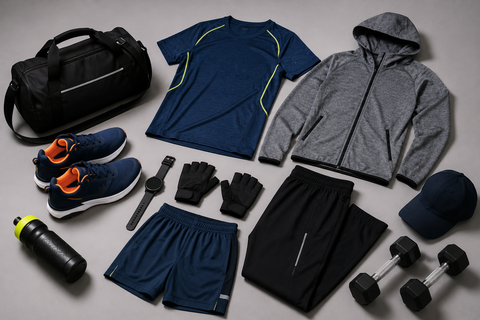
Women's activewear is designed to help the body move freely while providing support during physical activities. Today, athletic apparel combines performance-focused features with modern fashion trends, making it suitable for both workouts and casual wear.
From women's workout clothes and yoga leggings to performance sports bras and running apparel, activewear continues to evolve to meet the needs of active lifestyles. Understanding different styles and features can help individuals choose clothing that matches their activities and personal preferences.
Understanding the Concept
Athletic clothing refers to garments specifically designed for exercise, sports, and physical activities. Unlike regular clothing, activewear is made with materials and construction methods that support movement, comfort, and moisture management.
Many athletic apparel products use lightweight fabrics that help manage sweat and improve breathability. These fabrics are often flexible, allowing a full range of motion during workouts.
Women's fitness clothing is available in various styles for different activities. For example, yoga apparel focuses on flexibility and comfort, while running apparel emphasizes lightweight materials and ventilation.
The primary goal of athletic clothing is to enhance comfort and support during physical activity while maintaining durability and style.
Key Types or Categories
Several categories of athletic clothing are designed for different activities and performance needs.
Sports Bras
Sports bras provide support during physical movement. Different support levels are available based on activity intensity.
Common types include:
- Low-impact sports bras
- Medium-support sports bras
- High-impact sports bras
- Compression sports bras
- Encapsulation sports bras
These options help reduce movement and improve comfort during exercise.
Women's Leggings
Women's leggings remain one of the most popular activewear items.
Popular styles include:
- Yoga leggings
- High-waisted leggings
- Compression leggings
- Running leggings
- Training leggings
Many feature stretch fabrics that allow unrestricted movement.
Athletic Tops
Athletic tops are available in multiple designs.
Examples include:
- Tank tops
- Performance t-shirts
- Long-sleeve training shirts
- Crop tops
- Moisture-wicking workout tops
Different styles provide varying levels of coverage and ventilation.
Running Apparel
Running apparel focuses on lightweight performance.
Typical items include:
- Running shorts
- Running tights
- Lightweight jackets
- Breathable shirts
- Reflective outerwear
These garments are designed to help runners stay comfortable during various weather conditions.
Outerwear and Layering Pieces
Layering is important for outdoor activities.
Common athletic outerwear includes:
- Wind-resistant jackets
- Training hoodies
- Performance pullovers
- Lightweight vests
- Athletic rain jackets
These pieces help maintain comfort during changing temperatures.
Important Subsections
Moisture-Wicking Fabrics
One of the most important activewear features is moisture-wicking technology.
Moisture-wicking fabrics move sweat away from the skin, helping it evaporate more quickly. This helps individuals remain comfortable during intense workouts.
Compression Technology
Compression clothing applies gentle pressure to certain muscle groups.
Examples include:
- Compression leggings
- Compression shorts
- Compression tops
Many athletes prefer compression apparel because it provides a supportive fit during training sessions.
Breathability
Breathable fabrics allow air circulation through the garment.
Features that improve breathability include:
- Mesh panels
- Lightweight fibers
- Ventilation zones
- Moisture management materials
Improved airflow can enhance comfort during exercise.
Stretch and Flexibility
Stretch fabrics are essential in women's workout clothes.
Materials containing elastic fibers allow garments to move naturally with the body. This flexibility is particularly useful for yoga, pilates, dance, and strength training.
How It Works
Athletic clothing supports physical activity through several functional features.
Step 1: Fabric Selection
Manufacturers choose specialized materials designed for performance.
Common fabric characteristics include:
- Stretchability
- Moisture management
- Breathability
- Durability
These qualities help improve comfort during movement.
Step 2: Garment Construction
The clothing is designed with athletic movement in mind.
Features may include:
- Flat seams
- Reinforced stitching
- Flexible waistbands
- Strategic panel placement
These design elements help reduce irritation and improve fit.
Step 3: Activity-Specific Design
Different sports require different clothing features.
For example:
- Yoga apparel prioritizes flexibility.
- Running apparel focuses on ventilation.
- Training wear emphasizes durability.
- Cycling apparel often includes aerodynamic features.
Each design is tailored to support specific activities.
Step 4: Performance During Activity
As the body moves, athletic clothing works to:
- Manage moisture
- Maintain comfort
- Support movement
- Reduce distractions
- Improve overall workout experience
This combination helps individuals focus on their activity rather than their clothing.
Benefits and Advantages
Athletic clothing provides numerous practical advantages.
Enhanced Comfort
Comfort is one of the primary reasons people choose quality activewear.
Soft fabrics and ergonomic designs help reduce irritation during movement.
Improved Mobility
Flexible materials allow natural movement.
Activities such as yoga, stretching, running, and strength training benefit from unrestricted mobility.
Better Moisture Management
Moisture-wicking workout clothes help keep sweat away from the skin.
This can improve comfort during longer exercise sessions.
Activity-Specific Support
Different garments provide support where it is needed most.
Examples include:
- Sports bras for upper-body support
- Compression leggings for muscle support
- Running shoes paired with performance apparel for running activities
Versatility
Modern women's athletic apparel is often suitable for multiple settings.
Many individuals wear activewear for:
- Fitness classes
- Outdoor walks
- Travel
- Casual outings
- Daily activities
This versatility contributes to its widespread popularity.
Modern Style Options
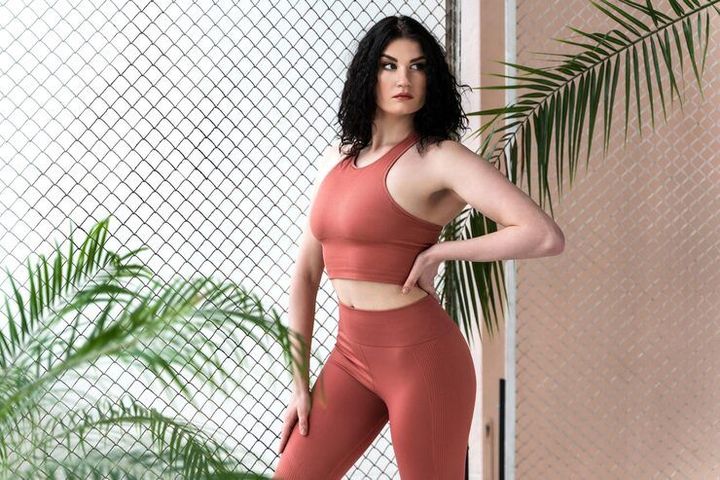
Today's athletic fashion combines function and appearance.
Popular design trends include:
- High-waisted silhouettes
- Neutral color palettes
- Bold prints
- Seamless construction
- Coordinated activewear sets
These styles allow individuals to express personal preferences while remaining comfortable.
Real-World Examples or Applications
Athletic clothing is used across many activities and lifestyles.
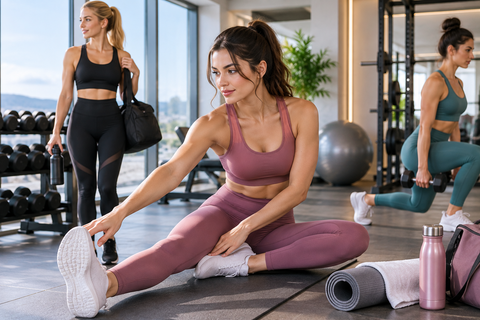
Gym Training
Women participating in strength training often choose:
- Performance sports bras
- Training leggings
- Breathable workout tops
These garments support movement during exercises such as squats, lunges, and weightlifting.
Yoga Classes
Yoga practitioners frequently prefer:
- Yoga leggings
- Stretch-friendly tops
- Lightweight layers
Flexibility and comfort are especially important during yoga sessions.
Running Activities
Runners often select:
- Running shorts
- Performance shirts
- Compression leggings
- Lightweight jackets
These items help support comfort during both short and long-distance runs.
Outdoor Recreation
Activities such as hiking, walking, and cycling often require:
- Layered clothing
- Weather-resistant outerwear
- Breathable fabrics
These features help individuals adapt to changing environmental conditions.
Everyday Wear
Athleisure has become a major fashion trend.
Many people wear women's activewear throughout the day because it combines comfort with a modern appearance.
Important Factors to Understand
Several factors should be considered when evaluating athletic clothing.
Proper Fit
Fit affects both comfort and performance.
A garment that is too loose or too tight may limit movement or reduce comfort.
Activity Requirements
Different activities benefit from different clothing features.
For example:
- Running often requires lightweight fabrics.
- Yoga benefits from flexibility.
- Strength training may require durable materials.
Fabric Quality
Higher-quality fabrics generally maintain their shape and performance over time.
Durable materials can withstand frequent movement and repeated washing.
Climate Considerations
Weather conditions influence activewear choices.
Examples include:
- Lightweight fabrics for warm temperatures
- Layered apparel for cooler conditions
- Water-resistant outerwear for rainy conditions
Selecting appropriate clothing for the environment can improve comfort.
Personal Preferences
Style, coverage, color, and fit preferences vary among individuals.
Choosing athletic apparel that feels comfortable and aligns with personal tastes can encourage consistent use.
Future Trends and Industry Insights
Women's athletic apparel continues evolving as technology and consumer preferences change.
Smart Fabrics
Advanced textile development is creating fabrics with enhanced moisture control, temperature regulation, and durability.
These innovations may improve comfort during physical activity.
Sustainable Materials
Many manufacturers are exploring environmentally conscious materials.
Recycled fibers and responsible production methods are becoming increasingly common within the athletic apparel industry.
Seamless Construction
Seamless activewear continues gaining popularity.
This design approach reduces friction and creates a smoother fit.
Personalized Performance Features
Future athletic clothing may incorporate more activity-specific features designed around different fitness goals and movement patterns.
Growth of Athleisure
Athleisure remains one of the strongest trends in women's fashion.
The combination of comfort, versatility, and style continues driving demand for activewear that transitions easily between workouts and daily activities.
Conclusion
Athletic clothing for women plays an important role in fitness, sports, and everyday comfort. From women's workout clothes and yoga leggings to performance sports bras and running apparel, modern activewear combines functionality with contemporary style.
Features such as moisture-wicking fabrics, compression technology, breathability, and flexible construction help support movement and comfort during physical activities. Different categories of athletic apparel are designed to meet the unique requirements of various sports and exercise routines.
As innovation continues within the activewear industry, women can expect even greater improvements in fabric technology, sustainability, and performance-focused design. Understanding activewear styles and features helps individuals make informed choices that support both comfort and an active lifestyle.