Guide to Modern Photography: Composition Basics, Lighting Methods, and Professional Knowledge
Modern photography has become an important part of daily life. People capture travel memories, family moments, nature scenes, business events, and creative projects through cameras and mobile devices.
Photography is not only about pressing a button. It combines creativity, observation, timing, and technical understanding.
A strong photograph can tell a story, express emotion, or highlight important details. Good photography skills help create clear, balanced, and visually appealing images. Understanding composition, lighting, and camera techniques allows photographers to improve image quality and communicate ideas more effectively.
Today, photography is used in many areas such as digital media, advertising campaigns, fashion, education, architecture, journalism, and social communication. Learning the basics helps beginners create stronger images while giving experienced photographers deeper creative control.
Understanding the Concept
Photography is the process of capturing light to create an image. Cameras record light through a lens and save the visual information digitally or on film. The quality of the image depends on factors such as lighting, composition, focus, timing, and camera settings.
Modern photography combines artistic thinking with technical knowledge. A photographer must understand how to frame a subject, control brightness, manage shadows, and guide the viewer’s attention.
Three important elements shape most photographs:
- Composition
- Lighting
- Camera control
Composition determines how subjects appear inside the frame. Lighting affects mood and clarity. Camera control manages focus, sharpness, and exposure.
For example, a portrait captured with soft evening light often appears warmer and more natural than one captured under harsh midday sunlight.
Key Types or Categories
Photography includes several categories, each with different creative goals and techniques.
Portrait Photography
Portrait photography focuses on people. The goal is to capture personality, emotion, and expression. Good lighting and natural posing play an important role in portrait images.
Common portrait settings include:
- Outdoor parks
- Studio environments
- Office spaces
- Home interiors
Landscape Photography
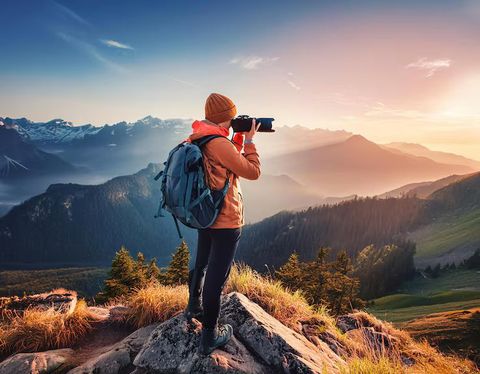
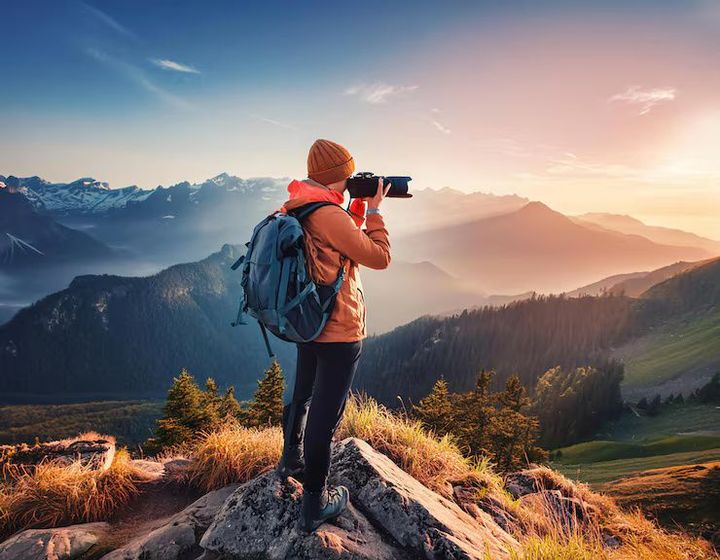
Landscape photography captures natural scenery such as mountains, rivers, forests, and sunsets. Wide compositions and natural lighting are important for this category.
Photographers often capture landscapes during sunrise or sunset because the light appears softer and more colorful.
Street Photography
Street photography records everyday life in public places. It focuses on real moments, human interaction, and urban environments.
Quick timing and observation are essential because scenes change rapidly.
Product Photography
Product photography highlights objects clearly and attractively. It is commonly used in digital catalogs, branding campaigns, and visual marketing materials.
Controlled lighting and clean backgrounds improve product presentation.
Wildlife Photography
Wildlife photography captures animals in natural environments. Patience, timing, and long-distance lenses help photographers capture detailed images safely.
Event Photography
Event photography documents weddings, conferences, concerts, and celebrations. Fast reactions and strong lighting control are important because conditions often change quickly.
Important Subsections
Understanding Composition Basics
Composition refers to how elements are arranged inside the image frame. Good composition guides the viewer’s attention naturally.
Several composition techniques are widely used.
Rule of Thirds
The rule of thirds divides the frame into nine equal sections using imaginary lines. Placing the subject near these lines often creates a more balanced image.
For example, positioning a person slightly to the left instead of directly in the center can create a more dynamic photograph.
Leading Lines
Roads, fences, bridges, and pathways can guide the viewer’s eyes toward the main subject. These lines add depth and direction.
Framing
Natural objects such as windows, trees, or doorways can frame the subject. This technique adds focus and visual interest.
Symmetry
Symmetrical compositions create balance and order. Buildings, reflections, and architectural patterns often work well with symmetry.
Understanding Lighting Methods
Lighting is one of the most important photography skills. Different lighting conditions create different moods and visual effects.
Natural Light
Natural light comes from the sun. Many photographers prefer early morning and late afternoon lighting because shadows appear softer.
Cloudy weather can also create smooth and balanced lighting for portraits.
Artificial Light
Artificial lighting includes studio lamps, LED panels, and flash systems. These tools help photographers control brightness and direction.
Artificial lighting is often used in:
- Fashion photography
- Indoor portraits
- Commercial photography
- Creative studio projects
Soft Light
Soft light reduces harsh shadows and creates smooth skin tones. It is commonly used in portrait photography.
Hard Light
Hard light creates strong shadows and dramatic contrast. It can produce powerful visual effects when used carefully.
Camera Knowledge
Modern cameras include many features that improve image quality.
Important camera settings include:
- Aperture
- Shutter speed
- ISO sensitivity
- White balance
- Focus modes
Aperture controls how much light enters the lens. Shutter speed controls motion blur. ISO affects brightness and image grain.
Understanding these settings helps photographers adapt to different lighting environments.
How It Works
Photography follows a simple process that combines observation, preparation, and technical adjustment.
Step 1: Observe the Scene
The photographer studies the environment, subject position, and available light.
Step 2: Choose Composition
The frame is arranged carefully using composition techniques such as symmetry, leading lines, or subject placement.
Step 3: Adjust Camera Settings
Settings are adjusted based on lighting conditions and creative goals.
Examples include:
- Fast shutter speed for sports
- Wide aperture for portraits
- Low ISO for cleaner images
Step 4: Manage Lighting
The photographer adjusts angles, reflectors, or artificial lights to improve image balance.
Step 5: Capture Multiple Images
Experienced photographers often capture several versions of the same scene to select the strongest result later.
Step 6: Image Editing
Editing improves brightness, contrast, sharpness, and color balance. Careful editing enhances image quality while maintaining a natural appearance.
Benefits and Advantages
Photography provides both creative and practical advantages.
Visual Storytelling
Images communicate emotions and experiences quickly. A single photograph can explain a situation more effectively than long text descriptions.
Creative Expression
Photography allows people to express ideas, moods, and artistic perspectives.
Improved Observation Skills
Photographers learn to notice patterns, colors, textures, and lighting details that others may overlook.
Professional Opportunities
Photography knowledge supports work in media production, fashion campaigns, journalism, architecture, education, and digital communication industries.
Memory Preservation
Photographs preserve important personal and cultural moments for future generations.
Digital Content Creation
Modern photography supports social media visuals, online branding materials, educational content, and creative portfolios.
Real-World Examples or Applications
Photography appears in many everyday situations.
Travel Photography
Travelers document landscapes, local culture, food, and architecture during journeys.
Business Branding
Companies use photography for websites, advertisements, catalogs, and promotional campaigns.
Educational Materials
Schools and training organizations use photographs to explain concepts visually.
Medical Documentation
Medical photography helps record conditions, procedures, and treatment progress for educational and research purposes.
Sports Coverage
Sports photographers capture action moments during matches and competitions.
Architecture and Interior Design
Architects and designers use photography to showcase buildings, room layouts, and decorative details.
For example, real estate presentations often rely on wide-angle interior photography to display room dimensions clearly.
Important Factors to Understand
Several factors influence photography quality and consistency.
Lighting Conditions
Poor lighting can reduce sharpness and color accuracy. Understanding natural and artificial light improves image quality significantly.
Lens Selection
Different lenses create different visual effects.
Examples include:
- Wide-angle lenses for landscapes
- Telephoto lenses for wildlife
- Prime lenses for portraits
Camera Stability
Unstable camera movement may create blurry images. Tripods help improve stability during low-light photography.
Background Control
Busy backgrounds can distract viewers from the main subject. Clean and organized backgrounds improve composition.
Timing
Good timing is essential in action photography, wildlife photography, and street photography.
Image Resolution
Higher image resolution improves detail quality and allows larger printing sizes.
Future Trends and Industry Insights
Photography continues to evolve with technological advancement and changing creative trends.
Artificial Intelligence in Photography
Modern camera systems now include intelligent focus tracking, scene recognition, and automatic exposure adjustments. These features improve accuracy and speed.
Mobile Photography Growth
Smartphone cameras continue improving rapidly. Many users now create professional-quality images using advanced mobile devices.
Drone Photography
Drone technology allows photographers to capture aerial views and unique perspectives previously difficult to achieve.
Virtual and Interactive Imaging
Interactive visual experiences are becoming more common in education, architecture, and digital presentations.
Sustainable Photography Practices
Many photographers now focus on environmentally responsible travel and reduced equipment waste.
Advanced Editing Techniques
Modern editing tools allow detailed color correction, image enhancement, and creative effects while maintaining natural visual balance.
Conclusion
Modern photography combines creativity, technical understanding, and visual storytelling. Strong composition, proper lighting, and camera knowledge help photographers create more effective and engaging images.
Learning photography basics improves image quality and builds creative confidence. Techniques such as the rule of thirds, lighting control, focus management, and careful framing help photographers capture meaningful moments clearly.
Photography continues expanding across digital media, education, architecture, branding, journalism, and personal communication. As camera technology advances, photographers gain more creative possibilities and greater visual control.
By understanding composition basics, lighting methods, and professional knowledge, photographers can develop stronger skills and create images that communicate ideas with clarity and impact.