Auger Filling Machines Insights: Key Features and Applications Explained
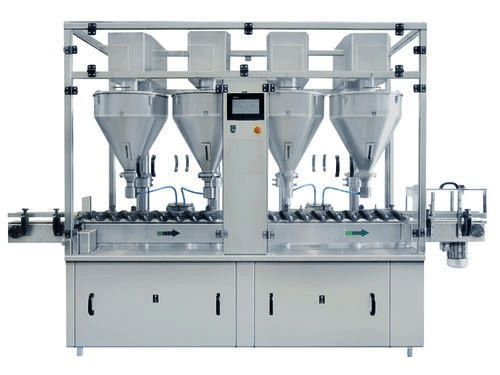
Auger filling machines are specialized systems used to measure and dispense powdered or granular products into containers, pouches, jars, bottles, and other packaging formats.
These machines have become an important part of modern manufacturing and packaging processes, particularly in industries that handle dry products.
The concept behind auger filling machines is relatively simple. A rotating screw, known as an auger, moves a controlled amount of product from a hopper into a package. This method helps maintain consistent filling levels and supports efficient production workflows.
Today, an auger filler machine is commonly found in facilities that process food ingredients, spices, nutritional powders, chemicals, agricultural products, and other powdered materials. As production volumes increase and quality standards become more important, businesses often use automatic auger filling machine systems to improve accuracy and consistency.
Powder filling machines are widely used because many powdered products can be difficult to handle. Factors such as product density, moisture content, and flow characteristics can influence how materials move during packaging. Auger powder filling machine technology helps address these challenges through controlled dosing and dispensing.
Importance
Why Powder Filling Technology Matters
Many everyday products depend on accurate powder packaging. Items such as flour, coffee, protein powder, spices, baking ingredients, detergents, and industrial compounds often require precise measurement before packaging.
Industrial filling machines help reduce variations between packages. Consistent filling can support product quality, packaging efficiency, and inventory management. This is particularly important when manufacturers process large volumes of material each day.
Industries That Use Auger Filling Machines
Several sectors rely on packaging filling equipment for daily operations:
- Food processing
- Beverage ingredient production
- Pharmaceutical manufacturing
- Chemical processing
- Agricultural products
- Cosmetics and personal care products
- Nutritional supplement packaging
Food powder filling machines are especially common because powdered ingredients are widely used in consumer products. Similarly, spice powder packing machines are frequently used to package seasonings and blended spice mixtures.
Common Packaging Challenges
Powder products can present unique packaging difficulties. Some powders flow easily, while others may compact, clump, or create dust during filling.
Auger dosing systems help manage these issues by providing controlled dispensing. Depending on the product characteristics, different machine settings may be used to improve filling performance and reduce material waste.
Recent Updates
Increased Automation
One of the most noticeable developments in recent years has been the growing use of automation. Manufacturers increasingly use automatic powder dosing equipment to improve consistency and reduce manual intervention.
Modern automatic auger filling machine systems often include digital controls, touch-screen interfaces, and programmable filling settings. These features allow operators to adjust production parameters more efficiently.
Integration with Smart Manufacturing
Many industrial powder filling solutions are now designed to work alongside broader production management systems. Data monitoring capabilities can help operators track output, identify performance trends, and monitor equipment status.
This trend reflects the wider adoption of smart manufacturing practices across packaging industries.
Growth in Flexible Packaging
Flexible packaging formats continue to gain popularity in many industries. As a result, powder packaging machines are increasingly configured to fill stand-up pouches, sachets, and other lightweight packaging materials.
This shift has encouraged equipment manufacturers to develop machines that can accommodate multiple package sizes and formats within the same production environment.
Focus on Hygiene and Cleanability
Industries handling food, supplements, and sensitive materials increasingly prioritize equipment designs that support cleaning and sanitation procedures. Many modern packaging line filling machines incorporate features that simplify maintenance and reduce contamination risks.
Higher-Speed Operations
Production facilities often seek greater efficiency without compromising accuracy. As a result, high speed auger filling machine models are becoming more common in large-scale operations where substantial production volumes are required.
Laws or Policies
Food Industry Regulations
Food powder filling machines used in food production environments typically operate under food safety regulations established by national authorities. These regulations often focus on hygiene, contamination prevention, labeling accuracy, and manufacturing practices.
Facilities may also follow standards related to hazard analysis, sanitation, and traceability throughout the production process.
Pharmaceutical and Healthcare Standards
When powder filling equipment is used in pharmaceutical applications, stricter requirements may apply. Regulatory frameworks generally address product quality, documentation, validation procedures, and manufacturing controls.
These standards help ensure that packaged products meet established quality expectations.
Workplace Safety Requirements
Industrial filling machines must often comply with workplace safety regulations. Common areas of focus include:
- Machine guarding
- Electrical safety
- Dust control measures
- Operator training
- Emergency stop systems
- Equipment maintenance procedures
Environmental Considerations
Many jurisdictions have regulations related to dust emissions, waste management, and energy efficiency. Manufacturers may implement dust collection systems and environmental controls to support compliance with applicable requirements.
Tools and Resources
Several tools and resources can help organizations evaluate and manage powder packaging operations.
Common Equipment Components
The following components are frequently found in auger filling systems:
| Component | Primary Function |
|---|---|
| Hopper | Stores product before filling |
| Auger Screw | Dispenses measured product quantities |
| Drive Motor | Powers auger rotation |
| Control System | Manages machine settings |
| Weighing System | Verifies fill accuracy |
| Dust Collection Unit | Helps reduce airborne particles |
| Conveyor System | Moves containers through production |
Digital Monitoring Systems
Many modern packaging filling equipment solutions include software platforms that assist with:
- Production monitoring
- Batch tracking
- Performance reporting
- Maintenance scheduling
- Quality control documentation
Packaging Design Tools
Organizations often use package design software to develop pouch, bottle, and container formats compatible with powder packaging machines. These tools can assist with dimensions, labeling layouts, and packaging specifications.
Training and Technical Documentation
Equipment manuals, operational guides, and training programs help operators understand machine settings, maintenance procedures, and safety practices. These resources support efficient operation and equipment longevity.
FAQs
What are auger filling machines used for?
Auger filling machines are used to accurately dispense powdered and granular products into containers, pouches, bottles, jars, and other packaging formats. They are commonly used in food, pharmaceutical, chemical, and agricultural industries.
How does an auger filler machine work?
An auger filler machine uses a rotating screw mechanism to move a measured amount of product from a hopper into a package. The amount dispensed is controlled through machine settings that regulate auger movement.
What products can be filled using an auger powder filling machine?
An auger powder filling machine can handle products such as flour, coffee, protein powder, spices, cocoa powder, detergent powders, chemical powders, and nutritional supplements. Product suitability depends on flow characteristics and machine configuration.
What is the difference between manual and automatic auger filling machine systems?
Manual systems typically require greater operator involvement during the filling process. An automatic auger filling machine performs many filling functions automatically, helping maintain consistent production and reducing manual adjustments.
Why are auger dosing systems important in powder packaging?
Auger dosing systems help control the amount of product dispensed during packaging. This supports filling accuracy, production consistency, and efficient handling of powders with varying flow properties.
Conclusion
Auger filling machines play an important role in packaging powdered and granular products across many industries. Their controlled dispensing process helps support consistent filling, efficient production workflows, and accurate packaging operations. Advances in automation, digital monitoring, and flexible packaging compatibility continue to influence the development of modern powder filling machines. As manufacturing requirements evolve, auger filling technology remains a widely used solution for handling dry products in industrial environments.