Semiconductor Vacuum Equipment: Complete 2026 Technology Guide
Semiconductor manufacturing depends on highly controlled environments where temperature, pressure, gases, particles, and chemical conditions must remain within precise operating ranges.
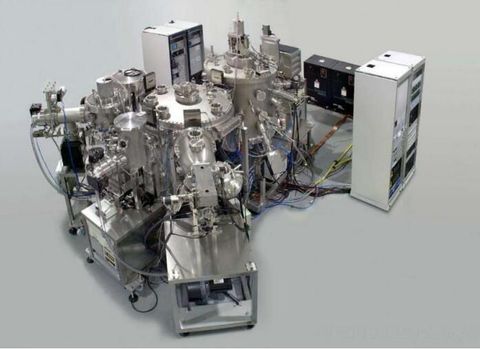
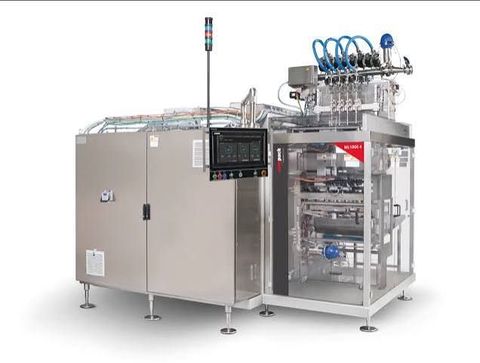
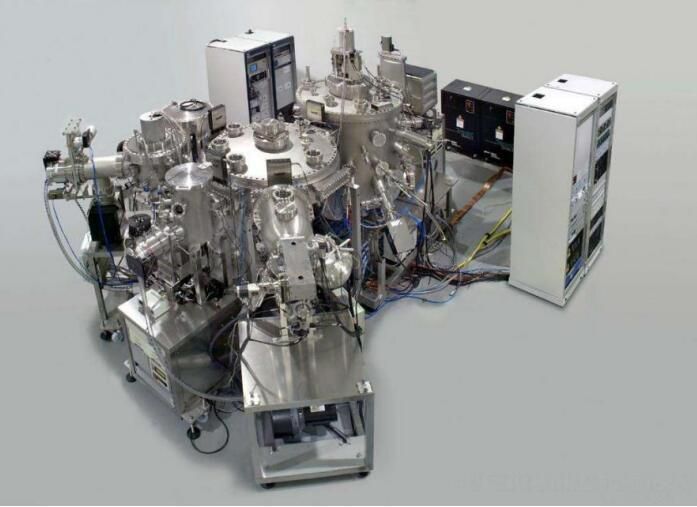
Semiconductor Vacuum Equipment plays an important role in creating and maintaining these controlled environments during wafer processing, deposition, etching, cleaning, and other fabrication steps.
Vacuum technology removes unwanted gases and contaminants from process chambers while allowing manufacturers to introduce carefully controlled process gases. Modern semiconductor facilities use combinations of vacuum pumps, chambers, valves, gauges, controls, abatement equipment, and supporting infrastructure.
Understanding the major components and technologies provides a useful foundation for understanding how vacuum systems support semiconductor manufacturing.
What Is Semiconductor Vacuum Equipment?
Semiconductor Vacuum Equipment refers to the pumps, chambers, valves, sensors, controls, piping, abatement systems, and related technologies used to create and maintain vacuum conditions during semiconductor processing.
Vacuum environments can help provide controlled conditions for processes that would otherwise be affected by atmospheric gases, moisture, particles, or unwanted chemical reactions.
Typical applications include:
- Thin-film deposition
- Plasma etching
- Wafer cleaning
- Physical vapor deposition
- Chemical vapor deposition
- Atomic layer deposition
- Ion implantation
- Surface treatment
- Vacuum drying
- Process gas management
Different manufacturing processes require different vacuum levels and equipment configurations.
Why Vacuum Technology Matters in Semiconductor Manufacturing
Semiconductor fabrication involves extremely small structures and highly controlled material layers. Unwanted particles, moisture, residual gases, or contaminants can affect process consistency.
Vacuum systems help manufacturers create controlled process environments by:
- Removing atmospheric gases
- Supporting controlled process pressure
- Enabling precise gas introduction
- Supporting plasma generation
- Reducing contamination
- Maintaining repeatable process conditions
- Enabling thin-film processing
Vacuum performance therefore directly influences the operating environment of many semiconductor process tools.
How Semiconductor Vacuum Equipment Works
A semiconductor vacuum system generally operates through several interconnected stages.
1. Chamber Preparation
A process chamber is sealed before vacuum pumping begins.
The chamber must maintain appropriate mechanical integrity and minimize unwanted leaks or contamination sources.
2. Initial Pumping
A roughing or backing pump removes most of the gas from the chamber.
Depending on the system, this may be followed by a higher-performance vacuum pump to reach a lower pressure.
3. High-Vacuum Generation
Additional vacuum equipment can reduce chamber pressure further.
The specific pump technology depends on the required pressure range, gas composition, flow rate, and process conditions.
4. Pressure Measurement
Vacuum gauges monitor chamber pressure.
Control systems use pressure measurements to regulate pumps, valves, and process gases.
5. Process Gas Introduction
Once the required vacuum condition is established, controlled quantities of process gases can be introduced.
Mass flow controllers and gas delivery systems help maintain the required process conditions.
6. Process Operation
Deposition, etching, cleaning, or another semiconductor process takes place inside the controlled chamber.
7. Exhaust and Abatement
Process gases and byproducts leave the chamber through the exhaust system.
Abatement equipment can treat selected hazardous, corrosive, reactive, or environmentally significant process gases before they enter downstream exhaust infrastructure.
7 Major Types of Semiconductor Vacuum Equipment
1. Semiconductor Vacuum Pumps
Vacuum pumps remove gases from process chambers to create the required pressure conditions.
Common pump technologies include:
- Dry screw pumps
- Dry scroll pumps
- Rotary vane pumps
- Roots blowers
- Turbomolecular pumps
- Cryogenic pumps
Dry vacuum pumps are particularly important in semiconductor environments because they avoid introducing certain lubricants into the process environment.
The appropriate pump depends on pressure requirements, gas chemistry, throughput, contamination sensitivity, and process design.
2. Vacuum Chambers
Vacuum chambers provide the controlled environment where semiconductor processes occur.
They are designed to maintain vacuum conditions while accommodating:
- Wafer holders
- Electrodes
- Gas distribution systems
- Heating systems
- Plasma components
- Sensors
- Process hardware
Chamber materials and surface characteristics are important because contamination and outgassing can affect semiconductor processes.
3. Vacuum Valves
Vacuum valves control the movement of gases between chambers, pumps, process lines, and exhaust systems.
Common valve categories include:
- Isolation valves
- Gate valves
- Butterfly valves
- Throttle valves
- Angle valves
Throttle valves can regulate conductance and help control chamber pressure during processing.
4. Vacuum Gauges and Sensors
Vacuum measurement equipment provides information about chamber pressure and system conditions.
Different gauges are designed for different pressure ranges.
Measurement technologies can include:
- Capacitance manometers
- Pirani gauges
- Cold cathode gauges
- Ionization gauges
Accurate pressure measurement supports process control and equipment monitoring.
5. Vacuum Control Systems
Control systems coordinate pumps, valves, sensors, gas delivery, and process equipment.
Automated controls can continuously monitor parameters such as:
- Chamber pressure
- Pump status
- Gas flow
- Temperature
- Valve position
- Process timing
Advanced systems can also generate alarms and diagnostic information.
6. Vacuum Abatement Systems
Semiconductor processes can generate exhaust gases that require controlled treatment.
Abatement systems are designed to reduce or transform selected process byproducts before they reach downstream exhaust systems.
Technologies can include:
- Thermal treatment
- Wet scrubbing
- Dry scrubbing
- Plasma-based treatment
The appropriate approach depends on the chemical composition and operating conditions of the exhaust stream.
7. Vacuum Piping and Distribution Systems
Vacuum piping connects process chambers, pumps, valves, filters, traps, and exhaust equipment.
Proper design is important because conductance, surface characteristics, geometry, and connections can influence vacuum performance.
Semiconductor Vacuum Equipment Comparison
| Equipment Type | Primary Function | Typical Application |
|---|---|---|
| Vacuum pumps | Remove gases | Chamber evacuation |
| Vacuum chambers | Maintain controlled environment | Wafer processing |
| Vacuum valves | Control gas movement | Isolation and pressure control |
| Vacuum gauges | Measure pressure | Process monitoring |
| Control systems | Coordinate equipment | Automated process control |
| Abatement systems | Treat process exhaust | Gas management |
| Vacuum piping | Transport gases | Pump and exhaust connections |
Vacuum Levels Used in Semiconductor Processing
Different semiconductor processes operate at different pressure ranges.
Low Vacuum
Low-vacuum conditions can be used for certain preliminary evacuation and industrial processes.
Medium Vacuum
Medium vacuum can be relevant to selected processing and coating applications.
High Vacuum
High-vacuum environments are important for processes requiring lower levels of residual gas and contamination.
Ultra-High Vacuum
Some specialized semiconductor and research processes require extremely low pressures to minimize residual gases and surface contamination.
The required vacuum level depends on the process rather than simply the semiconductor application.
Applications of Semiconductor Vacuum Equipment
Physical Vapor Deposition
PVD processes use vacuum environments to deposit thin material layers onto wafer surfaces.
Chemical Vapor Deposition
CVD uses controlled gases and vacuum conditions to form thin films through chemical reactions.
Atomic Layer Deposition
ALD relies on highly controlled surface reactions to produce extremely thin material layers.
Plasma Etching
Vacuum chambers support plasma generation and controlled removal of selected wafer materials.
Ion Implantation
Ion implantation systems use controlled vacuum environments to introduce selected ions into semiconductor materials.
Wafer Cleaning
Some cleaning processes use controlled vacuum and plasma environments to remove contaminants or modify wafer surfaces.
Factors to Consider When Selecting Semiconductor Vacuum Equipment
Required Pressure Range
Pump and gauge selection should match the pressure range required by the process.
Gas Chemistry
Reactive or corrosive gases can affect pump materials, valves, seals, and exhaust equipment.
Pumping Speed
Pumping requirements depend on chamber volume, gas load, process flow, and desired evacuation time.
Contamination Control
Equipment materials and pump technologies should be selected to minimize contamination risks.
Thermal Conditions
Certain process environments involve elevated temperatures, which can influence seals, chambers, valves, and pump operation.
Maintenance Requirements
Filters, seals, pumps, valves, gauges, and abatement equipment require appropriate inspection and maintenance.
System Integration
Vacuum equipment must integrate with process tools, gas delivery, electrical controls, exhaust systems, and facility infrastructure.
Benefits of Modern Semiconductor Vacuum Equipment
Precise Process Control
Advanced pumps, sensors, valves, and controls help maintain stable pressure conditions.
Contamination Management
Controlled vacuum environments can reduce unwanted gases and particles during sensitive processes.
Process Repeatability
Stable vacuum conditions support consistent processing across wafer lots.
Automated Monitoring
Modern systems can continuously track pressure, pump operation, valve status, and other operating parameters.
Compatibility With Advanced Fabrication
Sophisticated vacuum infrastructure supports increasingly complex thin-film, plasma, and surface-processing technologies.
Challenges in Semiconductor Vacuum Systems
Contamination
Particles, hydrocarbons, moisture, and process residues can affect vacuum performance and wafer processing.
Reactive Gases
Corrosive or reactive process gases can degrade equipment components over time.
Vacuum Leaks
Even small leaks can affect pressure stability and process performance.
Pump Maintenance
Vacuum pumps operate under demanding conditions and require appropriate maintenance procedures.
Exhaust Treatment
Certain process gases require specialized abatement technologies before downstream exhaust handling.
Best Practices for Semiconductor Vacuum Equipment
- Match pump technology to the process pressure and gas load.
- Use compatible materials for reactive process environments.
- Monitor chamber pressure continuously.
- Maintain vacuum seals and connections carefully.
- Control contamination throughout the vacuum pathway.
- Inspect pumps and valves according to maintenance schedules.
- Monitor exhaust and abatement performance.
- Use appropriate pressure gauges for each operating range.
- Minimize unnecessary dead volume in vacuum piping.
- Integrate equipment monitoring with the process control system.
Frequently Asked Questions
What is Semiconductor Vacuum Equipment?
Semiconductor Vacuum Equipment includes pumps, chambers, valves, gauges, controls, piping, and abatement technologies used to create and maintain controlled vacuum environments during semiconductor manufacturing.
Why is vacuum used in semiconductor manufacturing?
Vacuum environments help control gases, pressure, contamination, and plasma conditions during processes such as deposition, etching, cleaning, and ion implantation.
What types of vacuum pumps are used in semiconductor manufacturing?
Semiconductor facilities can use dry screw pumps, dry scroll pumps, Roots blowers, turbomolecular pumps, cryogenic pumps, and other vacuum technologies depending on process requirements.
What is a semiconductor vacuum chamber?
A semiconductor vacuum chamber is an enclosed process environment designed to maintain controlled pressure while supporting wafer-processing equipment such as electrodes, gas delivery systems, heaters, and sensors.
Why are dry vacuum pumps important for semiconductor processes?
Dry vacuum pumps avoid using oil or similar lubricants in the pumping path, which can help reduce certain contamination risks in sensitive semiconductor manufacturing environments.
Conclusion
Semiconductor Vacuum Equipment provides the controlled pressure environment required by many advanced wafer-processing technologies. Vacuum pumps, chambers, valves, gauges, controls, piping, and abatement systems work together to maintain stable process conditions.
The appropriate equipment depends on the required pressure range, process gases, pumping speed, contamination requirements, chamber configuration, and exhaust conditions. No single vacuum technology is suitable for every semiconductor process.
As semiconductor manufacturing continues to use increasingly precise deposition, etching, cleaning, and surface-treatment processes, vacuum infrastructure remains an essential part of the fabrication environment. Proper equipment selection, integration, monitoring, and maintenance help support consistent and controlled wafer processing.