7 Types of Shipyard CNC Cutting Systems Explained
Modern shipbuilding requires the accurate cutting of large steel plates, profiles, pipes, and other metal components before they are assembled into hulls, decks, bulkheads, and structural sections.
Shipyard CNC Cutting Systems use computer-controlled movement and automated cutting technologies to produce repeatable shapes from large metal workpieces.
These systems connect digital design data with cutting equipment, allowing shipyards to process complex components according to predefined dimensions. Depending on material thickness, alloy type, component geometry, and production requirements, shipyards can use plasma, oxy-fuel, laser, waterjet, and other CNC-based technologies.
Understanding the major types of CNC cutting systems helps explain how different technologies fit into modern shipbuilding workflows.
What Are Shipyard CNC Cutting Systems?
Shipyard CNC Cutting Systems are computer-controlled machines designed to cut metal components used in shipbuilding and marine fabrication.
A typical system can combine:
- CNC motion control
- CAD/CAM software
- Cutting heads
- Plate-handling equipment
- Automated nesting
- Sensors
- Fume extraction
- Material positioning systems
- Process monitoring
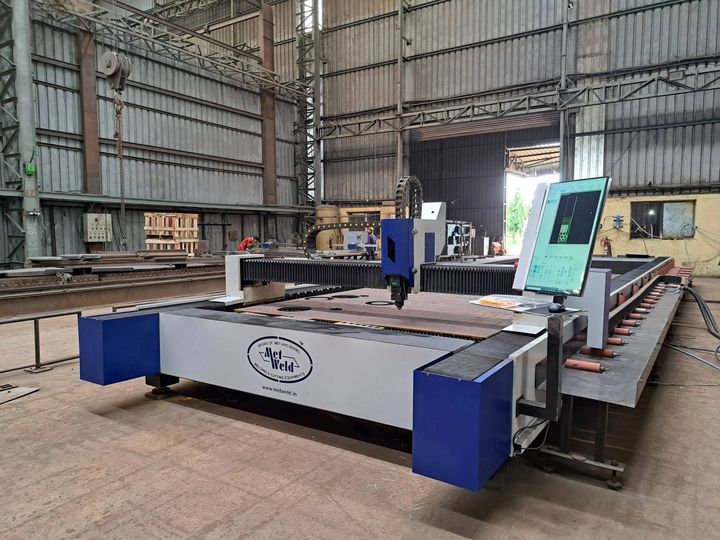
Large-format CNC tables and gantry systems are commonly used because shipbuilding involves large steel plates and structural components.
Why CNC Cutting Matters in Shipbuilding
Ship components often need to match detailed engineering drawings before assembly. Dimensional inaccuracies can create difficulties during welding, fitting, and block assembly.
CNC cutting can provide:
- Repeatable dimensions
- Automated cutting paths
- Complex geometric profiles
- Efficient material nesting
- Consistent production
- Reduced manual layout work
- Digital production control
CNC cutting is typically integrated with CAD/CAM workflows so that engineering data can be translated into machine instructions.
How Shipyard CNC Cutting Systems Work
1. Digital Design Preparation
The process begins with a digital design or manufacturing drawing.
The geometry defines the required dimensions, holes, contours, slots, notches, and other features.
2. CNC Programming
CAM software converts the geometry into cutting paths and machine instructions.
The software can determine:
- Cutting sequence
- Tool movement
- Feed rate
- Piercing locations
- Lead-in and lead-out paths
- Material nesting
3. Material Loading
Steel plate or another metal workpiece is positioned on the cutting table.
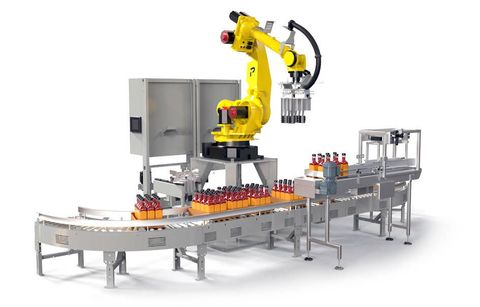
Large shipyard systems may use cranes, conveyors, magnetic lifting systems, or other material-handling equipment.
4. Automated Cutting
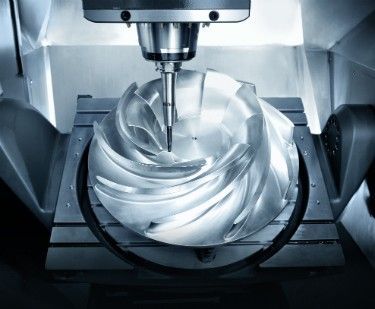
The CNC gantry moves the cutting head along programmed paths.
The cutting technology depends on the selected machine.
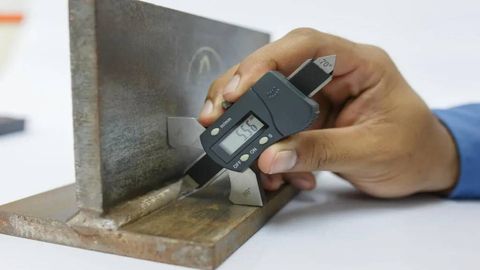
5. Quality Inspection
After cutting, operators can inspect dimensions, edges, holes, and other features.
Some systems integrate measurement or vision technologies to improve process verification.
6. Part Identification and Transfer
Cut components can be marked, sorted, and transferred to subsequent fabrication stages such as bending, welding, assembly, or block construction.
7 Types of Shipyard CNC Cutting Systems
1. CNC Plasma Cutting Systems
CNC plasma systems use a high-temperature plasma arc to cut electrically conductive metals.
They are commonly used for:
- Carbon steel
- Stainless steel
- Aluminum
- Structural plates
- Brackets
- Stiffeners
Plasma cutting can provide high cutting speeds and is suitable for many medium- and heavy-gauge metal applications.
2. CNC Oxy-Fuel Cutting Systems
Oxy-fuel cutting uses fuel gas and oxygen to heat and oxidize metal along the cutting path.
These systems are particularly relevant for thick carbon-steel plates.
Multiple oxy-fuel cutting torches can sometimes operate simultaneously, allowing large plates to be processed efficiently.
3. CNC Laser Cutting Systems
Laser cutting uses a focused laser beam to melt, vaporize, or otherwise remove material along a programmed path.
Laser systems can provide high dimensional accuracy and narrow cutting widths.
They are often more suitable for thinner materials or applications where precise cutting is important.
4. CNC Waterjet Cutting Systems
Waterjet cutting uses a high-pressure water stream, often combined with abrasive material, to cut metal.
Because the process introduces relatively little heat into the workpiece, it can be useful when heat-affected zones need to be minimized.
Waterjet systems can process various metals and complex geometries.
5. CNC Pipe and Profile Cutting Systems
Shipyards process not only flat plates but also pipes, tubes, beams, channels, and other structural profiles.
Specialized CNC systems can rotate or position these components while cutting holes, slots, joints, and other shapes.
6. Multi-Head CNC Cutting Systems
Multi-head machines use several cutting heads on the same gantry or production system.
Multiple torches can process different areas simultaneously or perform different cutting operations.
This configuration can increase throughput for repetitive shipbuilding components.
7. Automated CNC Nesting and Cutting Systems
Automated nesting systems optimize the placement of multiple component shapes on a sheet or plate before cutting.
Software evaluates available material and arranges parts to reduce unused areas.
An integrated system can combine:
- CAD/CAM data
- Automated nesting
- CNC programming
- Material handling
- Cutting
- Part marking
- Production tracking
Shipyard CNC Cutting System Comparison
| System Type | Cutting Method | Typical Application |
|---|---|---|
| CNC plasma | Plasma arc | Steel and aluminum plates |
| CNC oxy-fuel | Thermal oxidation | Thick carbon steel |
| CNC laser | Focused laser | Precision metal cutting |
| CNC waterjet | High-pressure water | Heat-sensitive applications |
| Pipe/profile CNC | Specialized cutting head | Pipes and structural profiles |
| Multi-head CNC | Multiple cutting heads | High-volume plate work |
| Automated nesting | Optimized CNC cutting | Material-efficient production |
Key Components of CNC Ship Cutting Systems
CNC Controller
The controller interprets machine instructions and coordinates movement, cutting parameters, and sequencing.
Gantry System
Large gantries move the cutting head across the work area.
Cutting Head
The cutting head contains the torch, nozzle, laser optics, waterjet nozzle, or other cutting mechanism.
Cutting Table
The table supports the metal plate during processing.
CAD/CAM Software
Software converts engineering designs into machine-ready cutting paths.
Nesting Software
Nesting tools arrange components efficiently on available plate material.
Fume Extraction
Plasma and oxy-fuel processes can generate smoke, fumes, and particulates, requiring appropriate extraction and ventilation.
Material Handling Systems
Cranes, conveyors, lifting devices, and automated systems can move large metal plates and finished components.
Factors to Consider When Selecting a Shipyard CNC Cutting System
Material Type
Carbon steel, stainless steel, aluminum, and other materials can require different cutting technologies.
Material Thickness
Thickness is a major factor when selecting between plasma, oxy-fuel, laser, and waterjet technologies.
Component Size
Shipbuilding often involves very large plates, making machine working dimensions important.
Required Accuracy
The required dimensional tolerance influences the appropriate cutting method and machine configuration.
Production Volume
High-volume shipyards may benefit from multi-head machines, automated loading, nesting, and production monitoring.
Cutting Speed
Different technologies provide different processing speeds depending on material and thickness.
Automation Level
Automated material handling, nesting, marking, inspection, and production tracking can reduce manual intervention.
Benefits of Shipyard CNC Cutting Systems
Consistent Cutting
Computer-controlled motion can produce repeatable component dimensions.
Complex Geometry
CNC systems can follow complex programmed contours for brackets, plates, openings, and structural components.
Digital Workflow
Engineering data can move directly from design software into production programming.
Material Utilization
Nesting software can arrange components to improve plate utilization.
Production Repeatability
Once a cutting program has been validated, the same geometry can be reproduced consistently.
Integration With Shipbuilding
CNC cutting can connect with downstream welding, bending, assembly, and block-production processes.
Challenges in CNC Ship Cutting
Large Material Handling
Shipyard plates can be large and heavy, requiring appropriate lifting and positioning infrastructure.
Thermal Distortion
Thermal cutting processes can create heat-affected areas or dimensional distortion if process parameters are not properly controlled.
Edge Quality
Different cutting methods produce different edge characteristics, which can affect subsequent fabrication.
Programming Complexity
Large ship components can require detailed nesting and cutting strategies.
Maintenance
Cutting heads, torches, nozzles, rails, drives, sensors, and extraction systems require regular maintenance.
Best Practices for Shipyard CNC Cutting
- Use accurate CAD/CAM data for production programming.
- Select the cutting technology according to material and thickness.
- Optimize nesting before cutting large plates.
- Maintain correct torch height and cutting parameters.
- Inspect cutting heads and consumables regularly.
- Use appropriate fume extraction and ventilation.
- Verify plate positioning before starting a cutting cycle.
- Inspect critical dimensions after cutting.
- Mark and identify components for downstream assembly.
- Maintain CNC rails, drives, sensors, and control systems.
Applications of Shipyard CNC Cutting Systems
Hull Construction
CNC cutting produces plates and structural components used to construct ship hulls.
Deck Fabrication
Deck plates, openings, brackets, and reinforcement components can be cut using CNC systems.
Bulkhead Production
Bulkheads often contain openings, stiffeners, and complex profiles that can be prepared using automated cutting.
Marine Structural Components
Beams, brackets, frames, supports, and other structural parts can be processed using specialized CNC equipment.
Pipe and Marine Systems
CNC profile and pipe-cutting systems can prepare components for piping and mechanical installations.
Frequently Asked Questions
What are Shipyard CNC Cutting Systems?
Shipyard CNC Cutting Systems are computer-controlled machines used to cut steel, aluminum, and other materials into components required for ship construction and marine fabrication.
Which CNC cutting method is commonly used for shipbuilding?
Plasma and oxy-fuel cutting are widely applicable to shipbuilding because they can process large metal plates across a range of thicknesses. The appropriate technology depends on material, thickness, accuracy, and production requirements.
Can CNC systems cut thick shipbuilding steel?
Yes. CNC oxy-fuel and plasma systems can be configured for thick steel plates, although the achievable thickness and cutting performance depend on the machine and process configuration.
Why is nesting important in shipyard CNC cutting?
Nesting software arranges multiple component shapes on a metal plate to improve material utilization and reduce unused areas.
What materials can shipyard CNC cutting systems process?
Depending on the cutting technology, systems can process carbon steel, stainless steel, aluminum, and other conductive or suitable metal materials used in marine construction.
Conclusion
Shipyard CNC Cutting Systems connect digital ship designs with automated metal-cutting equipment to produce accurate plates, profiles, pipes, brackets, and other marine components. Plasma, oxy-fuel, laser, waterjet, profile-cutting, multi-head, and automated nesting systems each address different production requirements.
Selecting the right technology requires consideration of material type, plate thickness, component size, dimensional accuracy, production volume, cutting speed, and automation requirements. Large shipyards may combine several cutting technologies within a coordinated digital production workflow.
When integrated with CAD/CAM software, nesting, material handling, inspection, and downstream fabrication processes, CNC cutting can become an important part of a modern shipbuilding production system.