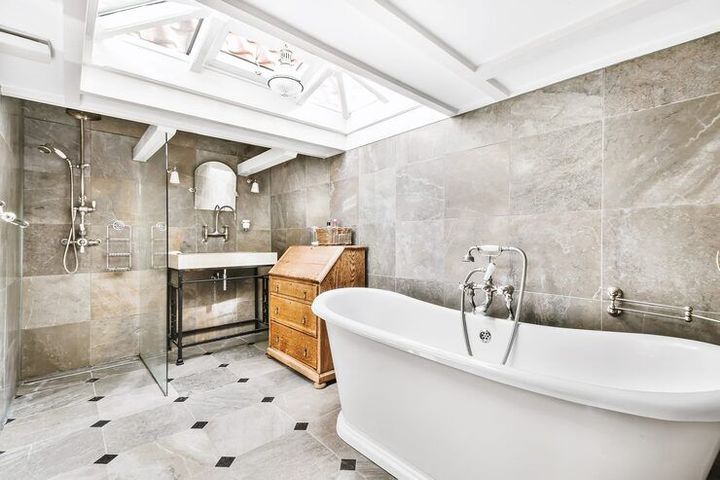
Bath Renovation Guide: Planning, Layout, and Design Ideas
A bath renovation can completely change how a home feels. For many households, the bathroom is one of the most frequently used spaces, yet it is often one of the last areas to be updated. A thoughtful renovation can improve comfort, make the space easier to use, and refresh the overall look of the home.
Unlike decorative changes in a living room or bedroom, bathroom updates usually involve a mix of design choices and practical planning. Water use, ventilation, lighting, storage, and layout all play a role. Even a small bathroom can feel more functional when the renovation is planned carefully.
This guide explains what bath renovation involves, how to prepare for it, which features deserve attention, and which mistakes are worth avoiding. The goal is to make the process easier to understand for homeowners, renters planning with permission, or anyone researching bathroom improvement ideas.
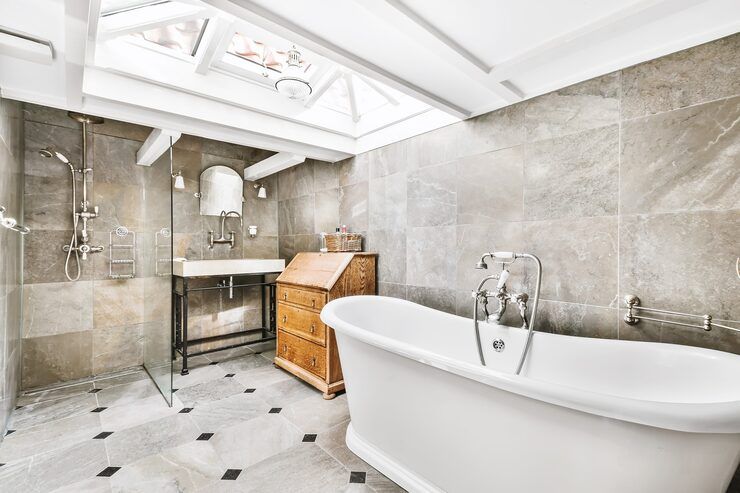
What Is a Bath Renovation?
Bath renovation refers to updating, improving, or reworking a bathroom space. The scale can vary widely. In some homes, it may involve replacing old tiles, changing fixtures, repainting walls, and updating lighting. In other cases, it may include a complete layout change with new plumbing placements, flooring, cabinets, shower areas, or bathtub installation.
Some renovations focus mainly on appearance, while others aim to solve long-standing issues such as poor storage, limited lighting, worn surfaces, mold-prone corners, or an inefficient floor plan. Many projects include both visual improvements and functional changes.
A bath renovation can involve one bathroom or multiple bathrooms in the same property. The final plan often depends on the age of the home, the condition of existing materials, and the needs of the people who use the space every day.
Why Homeowners Choose Bath Renovation
There are several reasons people decide to renovate a bathroom. One common reason is wear and tear. Bathrooms deal with moisture, regular cleaning, temperature changes, and daily use. Over time, tiles may crack, grout may stain, cabinets may swell, and fixtures may lose their finish.
Another reason is functionality. A bathroom that looked fine years ago may no longer suit current needs. A growing family may need more storage. Older adults may want easier access to the shower. A household with a busy morning routine may need better lighting around the mirror and more efficient organization.
Style is also a factor. Design trends change, and many older bathrooms feel dark, cramped, or visually dated. A renovation can brighten the room, create a cleaner appearance, and make the space feel calmer and more inviting.
Planning Before Any Work Begins
The planning stage is one of the most important parts of a bath renovation. Rushing into material choices without understanding the layout, measurements, or existing plumbing can lead to delays and unnecessary frustration.
Start by looking closely at how the bathroom is used now. Ask simple questions:
- Is there enough storage?
- Does the room feel too dark?
- Is the shower comfortable to use?
- Are there signs of water damage?
- Does the current layout waste space?
- Are cleaning and maintenance difficult?
Once the main issues are clear, measure the room carefully. Record wall lengths, door positions, window sizes, ceiling height, and the location of plumbing points. These details shape what is realistic in the new design.
It also helps to decide early whether the renovation is a surface refresh or a full remodel. Keeping the sink, toilet, or shower in the same place is often simpler than moving plumbing lines. A full layout change may create a better result, but it usually requires more planning and coordination.
Key Areas to Focus On
Layout and Space Use
A successful bath renovation starts with good space planning. Even in a compact bathroom, the placement of the sink, toilet, shower, and storage can make a major difference. The room should feel easy to move through, with enough space to open doors, reach shelves, and use fixtures comfortably.
Wall-mounted vanities, corner storage, recessed shelves, and sliding shower doors can help smaller bathrooms feel less crowded. In larger bathrooms, dividing wet and dry zones can improve comfort and reduce mess.
Bath or Shower Choice
One of the biggest decisions in a bath renovation is whether to keep a bathtub, switch to a shower, or include both if space allows. The right choice depends on the household’s routine and the available floor area.
A bathtub may be useful for families with young children or for those who prefer soaking. A walk-in shower may be more practical for quick daily use and can create a more open look. In smaller bathrooms, a shower often uses space more efficiently.
Storage
Storage is often underestimated during bathroom planning. Without enough room for towels, toiletries, cleaning supplies, and personal items, even a newly renovated bathroom can quickly feel cluttered.
Vanity drawers, mirrored cabinets, floating shelves, and built-in niches can all improve organization. Closed storage keeps the room looking tidy, while open shelves can hold everyday items if styled carefully.
Lighting
Lighting affects both function and mood. A single ceiling light is rarely enough for a bathroom used for shaving, skincare, or makeup. A well-designed lighting plan usually includes general overhead lighting, mirror lighting, and sometimes soft accent lighting.
Natural light is also valuable. If the bathroom has a window, the renovation can make better use of it with moisture-resistant treatments that allow light in while maintaining privacy.
Ventilation
Bathrooms generate humidity quickly, and poor ventilation can lead to peeling paint, mold, and lingering odors. A proper ventilation system helps protect walls, ceilings, and cabinetry over time.
If the room does not already have an effective exhaust fan, this is an important feature to review during renovation planning. Ventilation may not be the most visible part of the finished room, but it plays a major role in long-term maintenance.
Materials That Work Well in Bathrooms
Bathrooms need materials that can handle moisture and regular cleaning. This does not mean the room has to feel cold or plain. Many modern materials combine durability with a warm and inviting look.
Porcelain and ceramic tiles are common choices for floors and walls because they are water-resistant and available in many styles. Quartz surfaces are often used for vanity tops because they are durable and relatively easy to maintain. Moisture-resistant paint is helpful for walls and ceilings, especially in areas not covered by tile.
When choosing finishes, it is wise to think beyond appearance. Textured floor tiles may improve slip resistance. Large-format tiles can reduce grout lines and create a cleaner visual effect. Matte finishes may hide water spots better than highly polished surfaces.
Common Bath Renovation Mistakes
Even a simple renovation can run into problems if important details are missed. One common mistake is focusing only on style and not enough on practicality. A beautiful sink may not leave enough counter space. A trendy fixture may be harder to clean. A large bathtub may overwhelm a small room.
Another mistake is poor storage planning. Bathrooms often need more hidden storage than expected. Skipping this step can lead to clutter and frustration later.
Inadequate lighting is another issue. If mirror lighting is too dim or poorly placed, everyday tasks become less comfortable. Weak ventilation can also shorten the life of new finishes.
Some people also overlook the importance of a realistic timeline. Bathroom renovation often includes several stages such as demolition, plumbing adjustments, waterproofing, tiling, painting, and fixture installation. Delays can happen when materials arrive late or when hidden issues are discovered behind walls or under old flooring.
How to Make the Finished Bathroom Feel Comfortable
A successful bath renovation is not only about replacing old materials. It is also about creating a room that feels calm, practical, and easy to maintain. Small details can make a noticeable difference. Warm lighting, soft neutral colors, easy-to-reach storage, and coordinated finishes often help the room feel more balanced.
It can also help to think about daily routines. Where will towels hang? Is there a place for skincare items near the sink? Is the shower area easy to clean? Can more than one person use the space without feeling crowded?
These everyday details often shape satisfaction more than dramatic design choices.
Final Thoughts
Bath renovation is one of the most practical home improvement projects because it combines comfort, function, and visual renewal in a single space. Whether the goal is to refresh a dated bathroom, improve layout problems, or make the room easier for daily use, careful planning is what turns ideas into a successful result.
The strongest bathroom renovations usually begin with a clear understanding of the room’s weaknesses, followed by thoughtful decisions about layout, storage, lighting, materials, and ventilation. Instead of chasing trends alone, it helps to focus on choices that support long-term comfort and usability.
A bathroom does not need to be large or luxurious to work well. In many cases, a smart renovation is simply one that makes the space feel cleaner, brighter, more organized, and better suited to the people who use it every day.