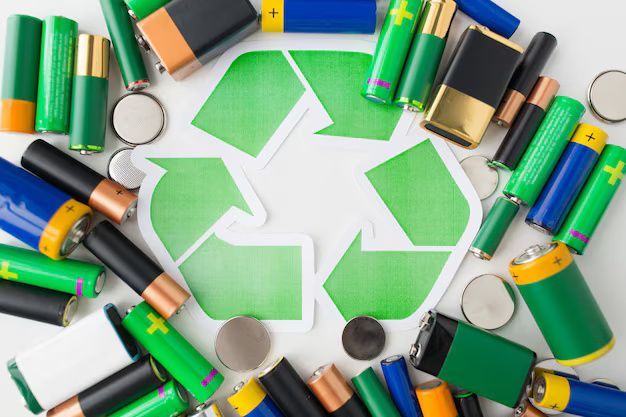
Battery Recycling Machinery: Complete Guide to Equipment, Processes, and Technology
Battery recycling machinery plays a vital role in modern waste management and resource recovery.
As the use of electric vehicles, renewable energy storage systems, consumer electronics, and industrial power systems continues to grow, the number of used batteries entering the waste stream is increasing rapidly.
Instead of sending spent batteries to landfills, specialized battery recycling equipment helps recover valuable materials such as lithium, cobalt, nickel, copper, aluminum, and lead. These recovered materials can be reused in manufacturing, reducing the need for raw material extraction.
Battery recycling technology has become an important part of the circular economy, supporting environmental protection, resource conservation, and sustainable industrial development.
Understanding the Concept
Battery recycling machinery refers to the equipment used to process, separate, and recover materials from discarded batteries. These machines are designed to safely handle different battery chemistries while maximizing material recovery.
Modern battery recycling plants use a combination of mechanical separation systems, shredding equipment, crushing machines, sorting technology, and material recovery units. The goal is to extract valuable components that can re-enter the manufacturing supply chain.
For example, when an electric vehicle battery reaches the end of its useful life, recycling equipment can recover metals that may later be used in new battery production. This reduces waste and supports resource efficiency.
Battery recycling machinery is commonly used in industries related to lithium-ion battery recycling, lead-acid battery recycling, electronic waste recycling, and industrial battery processing.
Key Types or Categories
Battery recycling facilities use different categories of equipment depending on the battery type and recovery objectives.
Battery Shredding Machines
Battery shredders reduce batteries into smaller pieces for easier processing.
These machines help:
- Break down battery structures
- Prepare materials for separation
- Improve processing efficiency
- Support material recovery operations
Shredding is often the first stage in a battery recycling plant.
Battery Crushing Equipment
Crushing machinery further reduces battery materials after initial shredding.
Benefits include:
- Improved material liberation
- Better separation results
- Increased processing speed
- Enhanced recovery efficiency
Crushing equipment is widely used in lithium battery recycling facilities.
Material Separation Systems
Separation systems divide mixed materials into individual components.
Common separation methods include:
- Magnetic separation
- Air classification
- Gravity separation
- Screening systems
These processes help isolate valuable metals and non-metallic materials.
Lead-Acid Battery Recycling Equipment
Lead-acid battery recycling machinery focuses on recovering:
- Lead
- Plastic components
- Electrolyte materials
Lead recovery remains one of the most established battery recycling sectors worldwide.
Lithium-Ion Battery Recycling Machinery
Lithium-ion battery recycling equipment is designed for batteries used in:
- Electric vehicles
- Smartphones
- Laptops
- Energy storage systems
These systems recover critical battery materials that are increasingly valuable in modern manufacturing.
Important Subsections
Battery Discharge Systems
Before processing begins, batteries must often be safely discharged.
Discharge equipment helps:
- Reduce electrical hazards
- Improve workplace safety
- Prepare batteries for shredding
This step is particularly important for lithium-ion batteries.
Dust Collection Equipment
Battery processing can generate fine particles during shredding and crushing.
Dust collection systems help:
- Improve air quality
- Protect equipment
- Support environmental compliance
- Enhance worker safety
Automated Sorting Technology
Modern recycling plants increasingly use automated sorting systems.
These technologies identify battery types based on:
- Size
- Shape
- Material composition
- Chemical characteristics
Automation improves processing accuracy and efficiency.
Black Mass Recovery Systems
Black mass is a powder containing valuable battery materials such as lithium, cobalt, nickel, and manganese.
Recovery systems help extract this material for further refinement and reuse in battery manufacturing.
How It Works
Battery recycling machinery follows a structured process designed to recover valuable resources safely and efficiently.
Step 1: Battery Collection
Used batteries are gathered from:
- Electric vehicle fleets
- Electronics recycling centers
- Industrial facilities
- Consumer collection programs
The collected batteries are transported to recycling facilities.
Step 2: Inspection and Sorting
Batteries are inspected and categorized.
Common categories include:
- Lithium-ion batteries
- Lead-acid batteries
- Nickel-based batteries
- Industrial battery systems
Proper sorting ensures appropriate processing methods.
Step 3: Safe Discharge
Remaining electrical energy is removed.
This step reduces the risk of:
- Sparks
- Short circuits
- Thermal incidents
Safety remains a priority throughout the process.
Step 4: Shredding and Crushing
Battery recycling equipment breaks batteries into smaller pieces.
Mechanical processing exposes internal materials and prepares them for separation.
Step 5: Material Separation
Different technologies separate materials into categories such as:
- Metals
- Plastics
- Electrolytes
- Active battery materials
Each material stream moves to the next recovery stage.
Step 6: Material Recovery
Valuable resources are collected and prepared for industrial reuse.
Recovered materials may include:
- Lithium
- Cobalt
- Nickel
- Copper
- Aluminum
- Lead
These materials support battery manufacturing and metal processing industries.
Benefits and Advantages
Battery recycling machinery provides numerous environmental and industrial advantages.
Resource Conservation
Battery recycling helps recover valuable materials that would otherwise be discarded.
This reduces pressure on mining operations and natural resource extraction.
Environmental Protection
Proper recycling reduces the risk of harmful substances entering soil and water systems.
Responsible battery processing supports cleaner waste management practices.
Support for Electric Vehicle Growth
As electric vehicle adoption expands, demand for battery materials continues to increase.
Battery recycling technology helps create a sustainable supply of critical minerals.
Reduced Industrial Waste
Recycling facilities help divert batteries from landfills.
This contributes to more efficient resource utilization and waste reduction.
Improved Material Recovery
Advanced battery recycling equipment increases recovery rates for valuable metals and components.
Higher recovery efficiency supports industrial sustainability goals.
Economic Value from Recovered Materials
Recovered metals can be reintroduced into manufacturing supply chains, creating additional value from materials that have already completed their original lifecycle.
Real-World Examples or Applications
Battery recycling machinery is used across many industries.
Electric Vehicle Industry
Electric vehicle battery recycling has become a major focus area.
When vehicle batteries reach the end of their operational life, recycling facilities recover materials for future battery production.
Consumer Electronics Recycling
Millions of smartphones, tablets, laptops, and wearable devices contain rechargeable batteries.
Battery recycling plants process these devices to recover valuable resources.
Renewable Energy Storage
Solar and wind energy systems often use large battery storage units.
When these batteries require replacement, recycling machinery helps recover useful materials.
Industrial Power Systems
Factories, telecommunications facilities, and backup power installations rely on battery systems.
Industrial battery recycling equipment processes these batteries when they are retired from operation.
Important Factors to Understand
Several factors influence battery recycling efficiency and performance.
Battery Chemistry
Different battery types require different processing methods.
Examples include:
- Lithium-ion batteries
- Lead-acid batteries
- Nickel-metal hydride batteries
- Lithium iron phosphate batteries
Each chemistry presents unique recovery challenges.
Safety Requirements
Battery recycling involves handling energy storage devices and potentially reactive materials.
Facilities must implement:
- Fire prevention measures
- Ventilation systems
- Monitoring equipment
- Safety procedures
Proper safety practices protect both workers and equipment.
Recovery Efficiency
The effectiveness of battery recycling technology depends on how much material can be successfully recovered.
Advanced machinery typically improves recovery performance.
Regulatory Compliance
Battery recycling facilities must comply with environmental regulations and waste management standards.
Compliance supports responsible industrial operations and environmental stewardship.
Future Trends and Industry Insights
Battery recycling technology continues to evolve rapidly.
Advanced Automation
Automation is becoming more common throughout battery recycling plants.
Automated systems help:
- Improve sorting accuracy
- Increase throughput
- Reduce manual handling
- Enhance operational efficiency
Growth of Lithium-Ion Battery Recycling
The expanding electric vehicle market is driving increased demand for lithium-ion battery recycling equipment.
Many new facilities are being developed to process growing battery volumes.
Improved Material Recovery Technology
Researchers and manufacturers continue developing technologies that recover higher percentages of valuable materials.
Enhanced recovery methods support resource sustainability.
Artificial Intelligence in Sorting Systems
Artificial intelligence can help identify battery types and optimize processing decisions.
This technology may improve plant productivity and recovery performance.
Circular Economy Development
Battery recycling machinery is becoming a key component of the circular economy.
Future industrial systems will likely place greater emphasis on recovering and reusing valuable materials rather than relying solely on newly extracted resources.
Conclusion
Battery recycling machinery is an essential part of modern resource recovery and environmental management. Through advanced battery shredding machines, crushing equipment, separation systems, and material recovery technology, recycling facilities can recover valuable materials from used batteries and return them to manufacturing supply chains.
As electric vehicles, renewable energy storage systems, and electronic devices become more common, battery recycling technology will continue growing in importance. Modern recycling equipment supports resource conservation, waste reduction, environmental protection, and sustainable industrial development.
Understanding how battery recycling machinery works helps highlight its role in creating a more efficient and responsible future for energy storage and material recovery industries.