Understanding Flexographic Printing Press: Working, Components and Applications
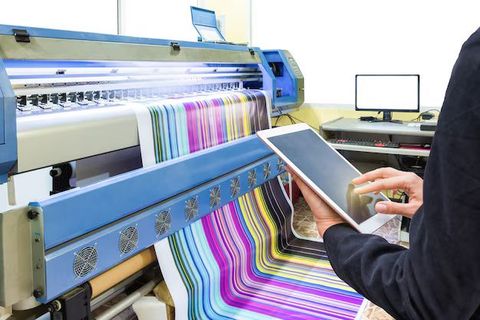
A flexographic printing press is widely used for high-volume package printing.
It transfers ink through flexible relief plates onto many substrate types. The process is commonly known as flexography or flexo printing.
Flexographic technology supports continuous production using roll-fed materials. Modern presses combine precise ink control, automated registration, and advanced drying systems. These features support consistent printing across demanding industrial applications.
Quick Answer: What Is a Flexographic Printing Press?
- A flexographic printing press uses flexible relief plates for printing.
- Raised plate areas transfer ink onto the printing substrate.
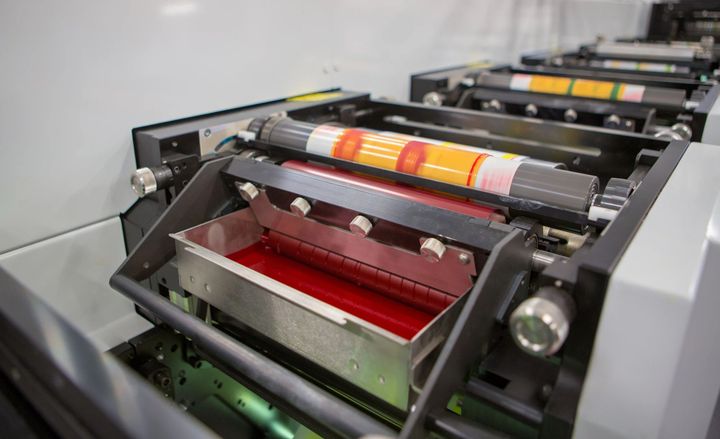
- An anilox roller controls the amount of ink delivered.
- Common substrates include paper, films, foil, and corrugated materials.
- Multiple printing units allow several colors in one production process.
- Drying systems prepare each ink layer for further processing.
- Modern presses use automated controls for registration and quality monitoring.
- Flexography is widely used in packaging and label production.
What Is a Flexographic Printing Press?
A flexographic printing press is a rotary printing machine.
It uses flexible printing plates mounted around rotating plate cylinders. Ink is transferred from these plates onto a moving substrate.
Flexographic presses can process materials such as:
- Paper
- Paperboard
- Corrugated board
- Plastic films
- Metallic foil
- Labels
- Flexible packaging materials
- Laminated substrates
- Nonwoven materials
This substrate flexibility makes flexography important in packaging production.
How Does a Flexographic Printing Press Work?
Flexographic printing follows a continuous rotary process.
The substrate moves through several printing and drying stages.
How Is Ink Supplied to the Printing Unit?
Ink enters the printing system through an ink delivery mechanism.
A metering system controls how much ink reaches the printing plate.
Modern systems often use a chambered doctor blade system. This arrangement works closely with the anilox roller.
What Does the Anilox Roller Do?
The anilox roller is a precision-engraved cylinder.
Its surface contains microscopic cells. These cells carry a controlled quantity of ink.
The roller transfers a consistent ink film onto the raised areas of the printing plate.
How Does the Printing Plate Transfer the Image?
A flexible relief plate wraps around the plate cylinder.
The raised image areas receive ink from the anilox roller.
The plate then contacts the substrate. This transfers the required image, text, or pattern.
What Does the Impression Cylinder Do?
The impression cylinder supports the substrate during printing.
It provides controlled pressure between the substrate and printing plate.
Correct pressure helps produce clear and consistent print reproduction.
What Are the Main Components of a Flexographic Printing Press?
Several systems work together during flexographic printing.
Printing Plates
Flexographic printing plates contain raised image areas.
They are commonly produced from photopolymer materials.
The plate determines which parts of the design receive ink.
Plate Cylinder
The plate cylinder holds the flexible printing plate.
It rotates at a synchronized speed with other press components.
Anilox Roller
The anilox roller meters and transfers ink.
Important anilox characteristics include:
- Cell volume
- Cell geometry
- Engraving pattern
- Line count
- Surface condition
Correct selection influences ink transfer and print quality.
Doctor Blade System
The doctor blade removes excess ink from the anilox surface.
Only ink contained within the engraved cells remains.
This process helps maintain controlled ink delivery.
Impression Cylinder
The impression cylinder supports the substrate against the printing plate.
Accurate pressure helps maintain consistent image transfer.
Ink Delivery System
The ink system circulates printing ink through the press.
It may include:
- Pumps
- Chambers
- Hoses
- Filters
- Ink containers
- Viscosity controls
Stable ink conditions support consistent printing.
Drying System
Drying equipment removes moisture or solvents between printing stages.
The exact technology depends on the ink system.
What Types of Flexographic Printing Presses Are Used?
Flexographic presses can be classified by their printing-unit arrangement.
What Is a Central Impression Flexographic Press?
A central impression press uses one large central impression cylinder.
Multiple printing units surround this cylinder.
The substrate remains supported against the central drum during printing. This configuration helps maintain accurate color registration.
Central impression presses are commonly associated with flexible packaging.
What Is an Inline Flexographic Press?
An inline flexographic press places printing units in a horizontal sequence.
The substrate travels from one printing station to another.
Inline configurations can integrate additional processes such as:
- Cutting
- Laminating
- Coating
- Die cutting
- Finishing
They are commonly used for labels and packaging applications.
What Is a Stack Flexographic Press?
A stack press arranges printing units vertically.
Each printing station contains its own impression cylinder.
Stack configurations can support different substrate types and printing requirements.
What Materials Can Flexographic Presses Print?
One major characteristic of flexography is substrate versatility.
Common materials include:
- Kraft paper
- Coated paper
- Paperboard
- Corrugated materials
- Polyethylene films
- Polypropylene films
- Polyester films
- Aluminum foil
- Laminated materials
- Nonwoven substrates
Surface treatment may be required for some materials.
Which Inks Are Used in Flexographic Printing?
Different ink technologies are available for flexographic production.
Common categories include:
- Water-based inks
- Solvent-based inks
- UV-curable inks
- Energy-curable formulations
Ink selection depends on substrate characteristics and printing requirements.
Important ink properties include:
- Viscosity
- Drying behavior
- Adhesion
- Color strength
- Surface interaction
Stable ink conditions help maintain consistent results.
How Does Color Registration Work in Flexographic Printing?
Multicolor printing requires accurate alignment.
Registration refers to the alignment of separate printed colors.
Modern presses can use sensors and electronic controls to monitor registration continuously.
Poor registration may create:
- Blurred edges
- Misaligned graphics
- Color separation
- Inconsistent image reproduction
Precise web tension also affects registration accuracy.
Why Is Web Tension Control Important?
Roll-fed substrates must travel through the press at controlled tension.
Excessive tension can stretch or damage materials. Insufficient tension can create instability.
Web tension systems commonly monitor:
- Unwinding
- Printing sections
- Drying sections
- Rewinding
Stable tension improves registration and material handling.
How Do Flexographic Press Drying Systems Work?
Ink must dry or cure before further processing.
Drying technology depends on the ink formulation.
Common systems include:
- Hot-air drying
- Infrared-assisted drying
- UV curing
- LED-UV curing
Effective drying helps prevent unwanted ink transfer between surfaces.
Where Are Flexographic Printing Presses Used?
Flexographic presses support many printing applications.
Common examples include:
- Flexible packaging
- Food packaging
- Product labels
- Shipping labels
- Corrugated boxes
- Paper bags
- Folding cartons
- Wrappers
- Beverage labels
- Industrial packaging
- Hygiene packaging
- Pharmaceutical packaging components
Application requirements determine press configuration.
What Are the Main Advantages of Flexographic Printing?
Flexographic technology offers several manufacturing advantages.
These include:
- Continuous roll-fed printing
- High production speeds
- Broad substrate compatibility
- Multicolor printing capability
- Efficient ink transfer
- Integration with finishing processes
- Compatibility with different ink technologies
- Consistent repetitive printing
These characteristics support large-scale packaging production.
What Factors Affect Flexographic Print Quality?
Print quality depends on multiple interacting variables.
Important factors include:
- Printing plate quality
- Anilox roller condition
- Ink viscosity
- Impression pressure
- Registration accuracy
- Web tension
- Substrate characteristics
- Drying conditions
- Press speed
Consistent process control helps reduce printing variations.
What Common Problems Can Occur During Flexographic Printing?
Several issues can affect print reproduction.
Common examples include:
- Uneven ink transfer
- Excessive dot gain
- Pinholing
- Dirty printing
- Registration errors
- Ink drying problems
- Plate wear
- Anilox contamination
- Incorrect impression pressure
- Substrate movement
Identifying the underlying cause is essential for troubleshooting.
How Is a Flexographic Printing Press Maintained?
Routine maintenance supports stable press performance.
Important activities include:
- Cleaning anilox rollers
- Inspecting doctor blades
- Checking printing plates
- Monitoring bearings
- Cleaning ink circulation systems
- Inspecting web-guiding equipment
- Checking drying systems
- Monitoring electrical controls
- Inspecting rollers
- Testing safety systems
Preventive maintenance can reduce unexpected production interruptions.
How Is Automation Changing Flexographic Printing?
Modern flexographic presses increasingly use automated technologies.
Important developments include:
- Automatic registration control
- Automated impression settings
- Web inspection cameras
- Digital workflow integration
- Automatic tension control
- Ink viscosity monitoring
- Defect detection systems
- Production data monitoring
- Servo-driven press technology
- Condition monitoring
Automation helps operators maintain consistent process conditions.
How Is Flexographic Printing Different From Offset Printing?
Flexography and offset printing use different image-transfer methods.
Flexography uses flexible relief plates. The raised plate areas directly transfer ink to the substrate.
Offset printing transfers an image through an intermediate blanket cylinder.
Flexography is particularly suitable for:
- Flexible films
- Labels
- Packaging materials
- Corrugated substrates
- Continuous roll-fed production
The appropriate printing method depends on the application and substrate.
What Developments Are Shaping Flexographic Printing Technology?
Flexographic technology continues to advance.
Current developments include:
- Higher-resolution printing plates
- Advanced anilox engraving
- Improved color management
- Automated quality inspection
- Servo-controlled press systems
- Enhanced web handling
- Advanced curing technologies
- Process data analytics
- Reduced production waste
- Greater workflow automation
These developments continue improving printing accuracy and process control.
Frequently Asked Questions
What is a flexographic printing press used for?
It prints packaging, labels, films, paper, corrugated materials, and other substrates.
What is an anilox roller?
An anilox roller meters a controlled quantity of ink onto the printing plate.
What type of plate does flexographic printing use?
Flexography uses flexible relief plates with raised image areas.
What are the main flexographic press configurations?
Common configurations include central impression, inline, and stack presses.
Can flexographic presses print on plastic film?
Yes. Flexography is widely used for printing suitable flexible films.
Why is web tension important?
Correct tension helps maintain substrate stability and accurate color registration.
Key Takeaways
Flexographic Printing Press Summary
- A flexographic printing press uses flexible relief plates.
- The anilox roller controls ink delivery to the printing plate.
- Doctor blades remove excess ink from the anilox surface.
- Flexography supports paper, films, foil, and corrugated materials.
- Central impression, inline, and stack presses are common configurations.
- Accurate registration is essential for multicolor printing.
- Web tension influences substrate stability and printing accuracy.
- Drying systems prepare printed layers for further processing.
- Routine maintenance supports consistent press operation.
- Automation is improving inspection, registration, and process monitoring.