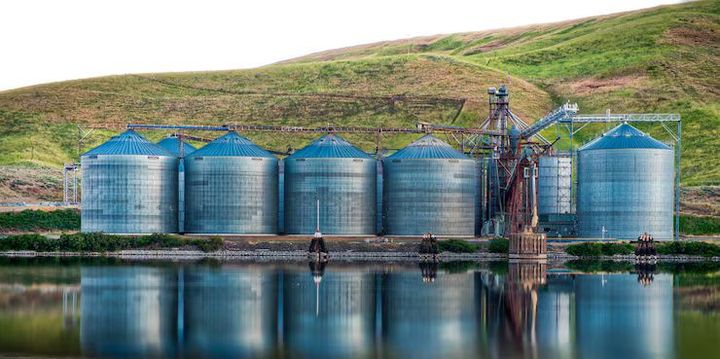
Biogas Digesters Overview: How They Convert Organic Waste into Renewable Energy
Biogas digesters are systems designed to convert organic waste into renewable energy through a biological process known as anaerobic digestion. In this process, microorganisms break down biodegradable materials such as food waste, agricultural residues, animal manure, and sewage in an oxygen-free environment. The result is biogas, a mixture primarily composed of methane and carbon dioxide, which can be used as a clean energy source.
Biogas digesters exist because societies generate large amounts of organic waste every day. When this waste decomposes in landfills, it releases methane into the atmosphere, contributing to greenhouse gas emissions.
Controlled digestion systems capture this methane and convert it into usable energy. This process supports both sustainable waste management and renewable energy production.
How Biogas Digesters Work
Biogas technology is widely used in modern waste management and renewable energy systems. It converts organic material into biogas, which can be used for electricity, heating, or upgraded into biomethane.
Key Components of a Biogas Digester
A typical biogas digester includes the following components:
- Feedstock input system
- Anaerobic digestion tank
- Gas collection dome or storage unit
- Slurry outlet for digestate
The leftover digestate is nutrient-rich and can be used as an organic fertilizer. This supports circular economy practices in agriculture and waste management.
Why Biogas Digesters Matter in Modern Energy Systems
Biogas digesters are becoming increasingly important as countries focus on renewable energy and sustainable waste solutions. Rising energy demand and environmental concerns are driving adoption worldwide.
Who Benefits from Biogas Systems
Several sectors benefit from biogas technology:
- Farmers managing agricultural waste
- Municipal authorities handling organic waste
- Food processing industries
- Waste management facilities
- Communities seeking decentralized energy
Key Benefits of Biogas Digesters
Biogas systems address multiple environmental and energy challenges:
- Reduction of methane emissions
- Renewable energy generation
- Improved waste management efficiency
- Production of organic fertilizer
- Support for circular economy systems
Organic waste accumulation is a growing issue in urban areas. Biogas digesters provide an environmentally responsible solution to process this waste while generating energy.
Key Concepts in Biogas and Renewable Energy
Biogas technology intersects with several high-value renewable energy concepts:
- Renewable energy technology
- Waste-to-energy systems
- Methane capture technology
- Sustainable energy infrastructure
- Green energy production
These concepts highlight the link between environmental sustainability and energy innovation.
Recent Updates in Biogas Technology and Global Adoption
Recent developments in 2024 and early 2025 show increased global investment in biogas systems. Renewable energy strategies now include anaerobic digestion as a key component.
Emerging Trends in Biogas Technology
Key trends include:
- Growth in municipal organic waste digestion
- Expansion of agricultural biogas plants
- Integration of IoT-based monitoring systems
- Improved biomethane purification technologies
Smart monitoring systems now allow operators to track temperature, gas production, and system performance in real time.
Technological Innovations in Biogas
| Innovation Area | Description | Industry Impact |
|---|---|---|
| Smart Digester Monitoring | Sensors track temperature, pH, gas production | Improves efficiency |
| Biogas Upgrading Systems | Removes CO₂ and impurities | Enables biomethane production |
| Modular Digester Designs | Scalable system configurations | Supports small and medium setups |
| Waste Sorting Automation | Automated separation of organic waste | Improves feedstock quality |
These innovations are making biogas systems more efficient and scalable across industries.
Regulations and Policies Influencing Biogas Development
Biogas digesters operate within regulatory frameworks related to environmental protection, waste management, and energy production. Governments are increasingly supporting these systems through renewable energy policies.
Key Regulatory Considerations
Common regulatory requirements include:
- Environmental permits for facilities
- Waste processing standards
- Emission monitoring rules
- Renewable energy certification systems
Some regions require separation of organic waste from general garbage. This supports efficient feedstock supply for digestion systems.
Environmental Compliance Areas
Regulations may also cover:
- Safe storage of digestate
- Water quality protection
- Air emission controls
These frameworks ensure safe and sustainable operation of biogas systems.
Useful Tools and Resources for Biogas Systems
Various tools help professionals analyze and optimize biogas systems. These tools support planning, monitoring, and environmental assessment.
Common Analytical Tools
- Biogas yield calculators
- Anaerobic digestion simulation software
- Renewable energy assessment tools
- Greenhouse gas emission calculators
- Waste stream analysis templates
Data and Research Resources
Useful resources include:
- Global renewable energy databases
- Waste-to-energy manuals
- Agricultural waste management guides
- Environmental impact assessment frameworks
Biogas Planning Tools Overview
| Tool Category | Function | Application |
|---|---|---|
| Biogas Yield Calculator | Estimates gas production | Agricultural and municipal planning |
| Energy Output Model | Calculates electricity generation | Energy forecasting |
| Waste Characterization Tool | Analyzes organic waste composition | Feedstock optimization |
| Emission Reduction Calculator | Measures greenhouse gas reduction | Climate reporting |
Digital monitoring platforms are increasingly used to track real-time parameters such as temperature, pH, and methane output.
Frequently Asked Questions About Biogas Digesters
What types of waste can be used?
Biogas digesters process organic materials such as food waste, animal manure, crop residues, wastewater sludge, and biodegradable industrial waste.
What gases are produced?
Biogas mainly consists of methane (50–70%) and carbon dioxide, along with small traces of other gases.
What happens to the leftover material?
The remaining digestate is nutrient-rich and can be used as organic fertilizer in agriculture.
How does biogas support renewable energy goals?
Biogas captures methane that would otherwise escape into the atmosphere. The captured gas is used for electricity, heating, or upgraded fuel.
Are biogas digesters used in urban and rural areas?
Yes, they are used in both settings. Rural areas use them for agricultural waste, while urban facilities process food waste and sewage sludge.
Conclusion
Biogas digesters play a critical role in sustainable energy and waste management systems. They convert organic waste into renewable energy while reducing greenhouse gas emissions.
The technology also produces valuable fertilizer, supporting circular economy principles. With advancements in monitoring systems, gas upgrading, and scalable designs, biogas systems continue to evolve.
Recent developments in 2024 and 2025 highlight growing global interest in waste-to-energy solutions. As policies and environmental strategies expand, biogas digesters are becoming a key component of sustainable infrastructure.